Bangkok at breaking point as floods turn streets into stagnant lakes — SkimNews

Get the Energy newsletter
Daily energy & climate — solar, EVs, oil, the policy fights and tech bets shaping the transition. Free.
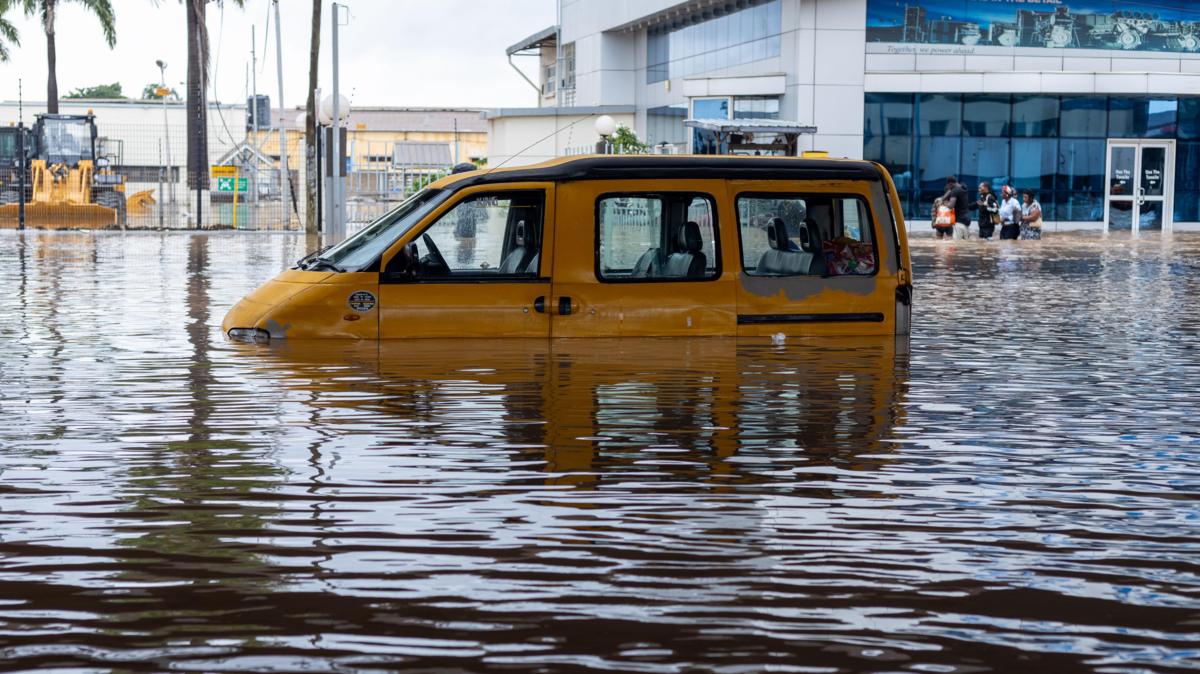
- Bangkok absorbed roughly 300mm of rain in about two days — equivalent to half of London's annual average — causing about 40 flood-related deaths (mostly drowning and electrocution) and prompting the government to declare a flood disaster across all 50 of the city's districts, with more than 230 shelters opened.
- Khlong Chan flat compound in north-east Bangkok became a symbol of the disaster, with ground-floor staircases still underwater days later as resident Suleemas Kurangkul described rain falling "all day, all night" and warnings arriving only after waist-depth flooding had taken hold.
- Bangkok's drainage system can handle only about 60mm of rain per hour (80mm in upgraded sections), but localised bursts exceeded that capacity; consultant Naim Laeni said authorities underestimated the rainfall's persistence and failed to warn residents of its seriousness.
- Suvarnabhumi airport was disrupted when about half of Thai Airways' workforce could not report for work, causing thousands of items of luggage to pile up and forcing flight cancellations, while many schools closed and gridlock trapped residents in less-affected areas.
- Prime Minister Anutin Charnvirakul said Bangkok still faces risk from flood waters flowing down from the north and announced a war room to monitor the situation, with Thailand's weather agency predicting more heavy rain next week.
- The same weather system caused flash floods and a landslide that killed nine people in Myanmar's village of Ka Det Nge Htein, with eight more missing; civil war and junta media restrictions have hampered rescue and aid efforts there, according to local officials.
- Scientists at the University of Southampton and elsewhere have already detected a "small but significant trend" toward extreme rainfall in central Thailand, with all long-term projections showing it will worsen as fossil-fuel warming allows warmer air to carry more moisture.
Why it matters: Bangkok's flood crisis is a stress test for a megacity whose 1970s-era canal drainage network has been paved over — even upgraded sections max out at 80mm per hour, well below what this storm delivered — so every additional millimetre of rainfall now turns into standing water across all 50 districts. For Thailand's economy, the simultaneous disruption to Suvarnabhumi airport, schools, and transport shows how a single stalled low-pressure system can paralyse a regional hub.
Ask SkimNews