‘We feared we’d all be drowned’: the Indian floods that killed more than 100 and left thousands homeless — SkimNews

Get the Energy newsletter
Daily energy & climate — solar, EVs, oil, the policy fights and tech bets shaping the transition. Free.
- Floods in Assam killed at least 101 people as of 11 August, affecting more than 1 million people across 2,690 villages in 25 districts, with officials warning the death toll is likely to rise
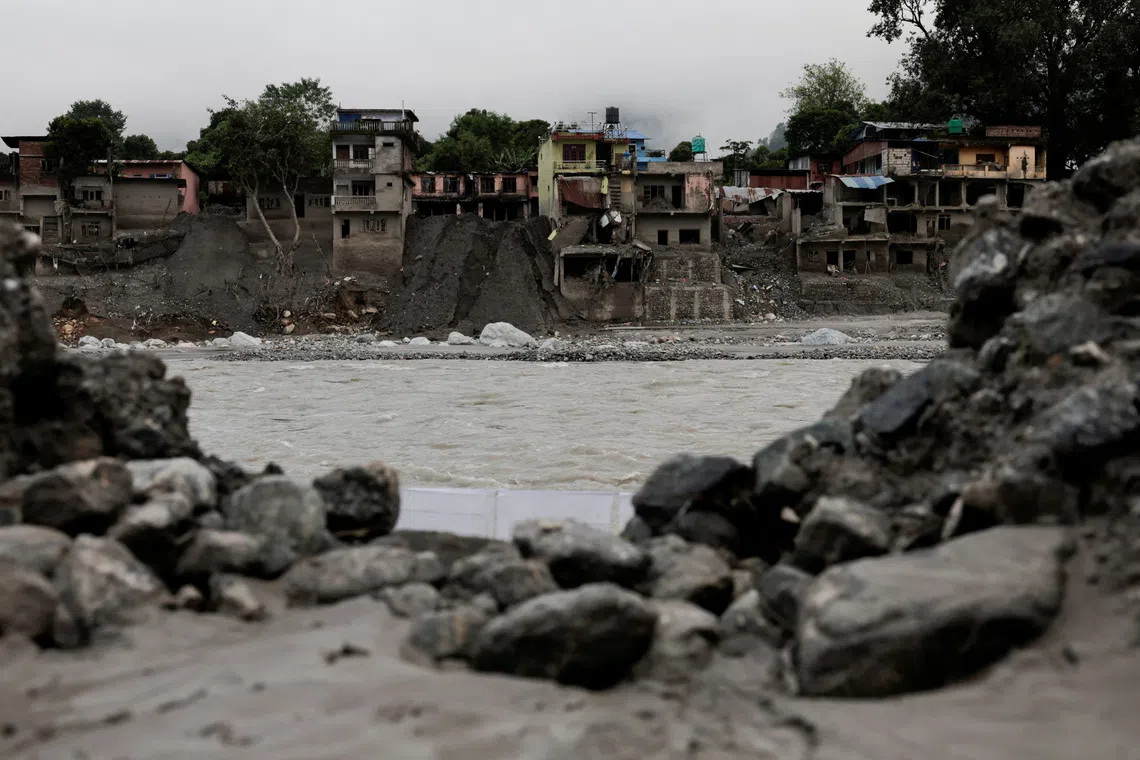
- Resident Gitali Phukon described the Mitong River overflowing into Gaurisagar town, with water reaching waist level and contaminating groundwater wells — residents survived for three days on biscuits and puffed rice
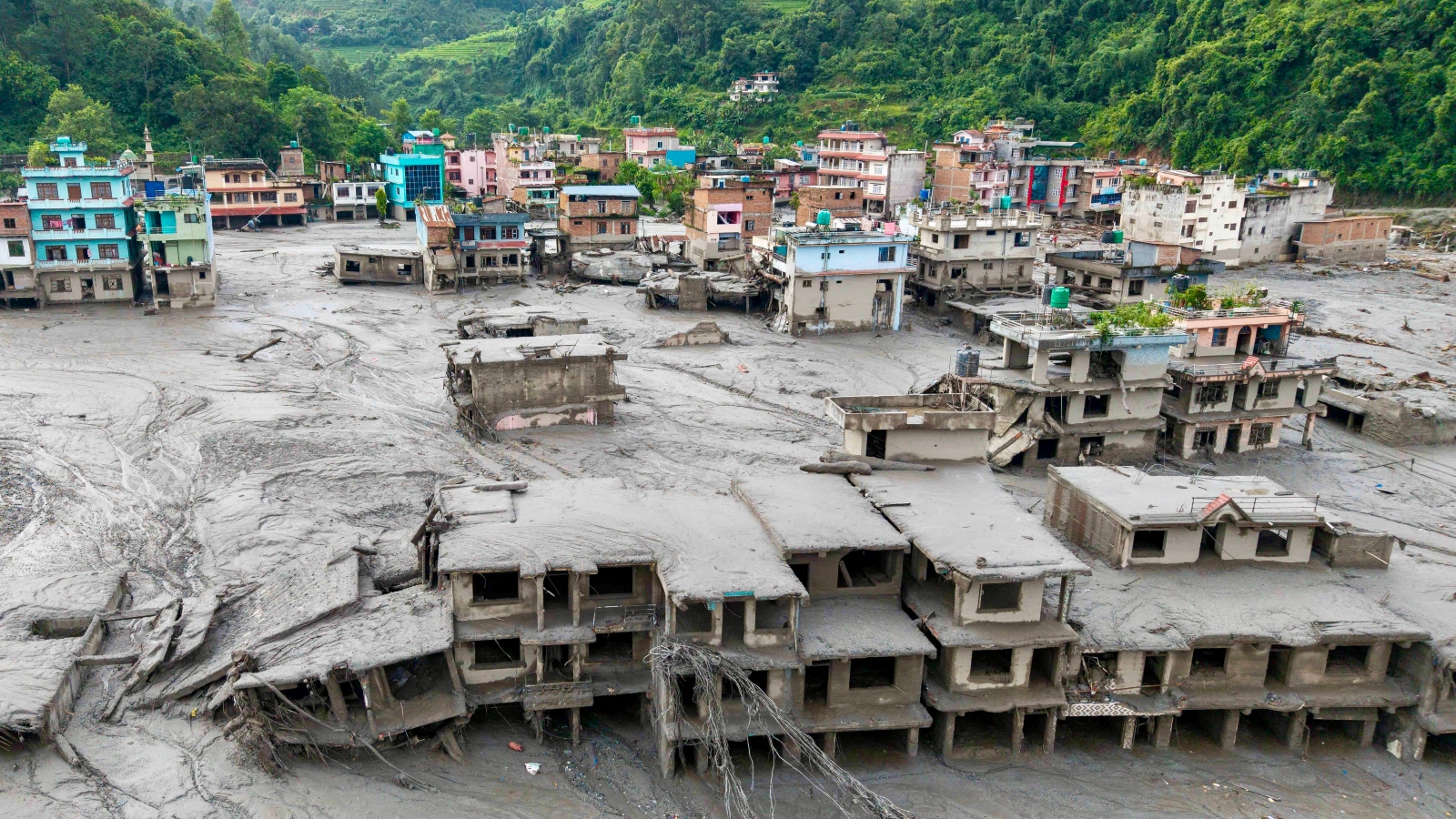
- Nepalikhuti village in Sivasagar district (population 3,000) lost at least 10 residents, with the landscape reduced to thick mud and silt, drowned cars, and no surviving livestock — the primary livelihood for villagers
- Environmental specialist Partha Jyoti Das attributed the scale of damage to mining, quarrying, and large-scale deforestation in Nagaland's hills, which sent debris, mud, and silt downstream, calling the region 'a much-abused landscape, turning into a burial ground'
- Himadrijyoti Dutta of Krishak Nyas said the floods ruined 95% of farmland across Sivasagar, washing away farmers' financial investments and livelihoods
- Geography professor Kalyan Das warned the disaster will accelerate out-migration, noting employment-driven migration from Assam already rose from 16.3% in 1991 to 24.4% by 2011 — migrant Mintu Hazarika said his brother is now planning to leave for Bengaluru
- Singer Nilotpal Bora publicly criticized the government response as delayed, saying 3,000 people would have died from hunger and thirst without local charity intervention — a rebuke to Chief Minister Himanta Biswa Sarma's claim that 'the situation was under control'
Why it matters: The floods have destroyed 95% of Sivasagar's farmland and killed the livestock that sustained village economies, threatening to accelerate Assam's documented out-migration crisis — already at 24.4%. Environmental experts directly link the disaster's scale to upstream mining and deforestation in Nagaland, meaning each flood season compounds the next.
Ask SkimNews