‘I just want to find them’: deadly cloudbursts devastate Kashmir’s mountain communities — SkimNews

Get the Energy newsletter
Daily energy & climate — solar, EVs, oil, the policy fights and tech bets shaping the transition. Free.
- Cloudbursts on 19 July devastated Jammu and Kashmir's Pir Panjal mountains, killing at least 28 people, displacing hundreds of families, and destroying homes, livestock, and crops across multiple districts
- Haji Mohammad Latief, 48, lost eight family members in Murrah village when a torrent buried the house where five generations of his Gujjar family lived; his 16-year-old son Sajjad Ahmed's body remained missing days later
- Murrah village was left without electricity, roads, or mobile networks, reachable only by a 90-minute walk through landslide debris as soldiers, disaster teams, and volunteers searched for victims by hand
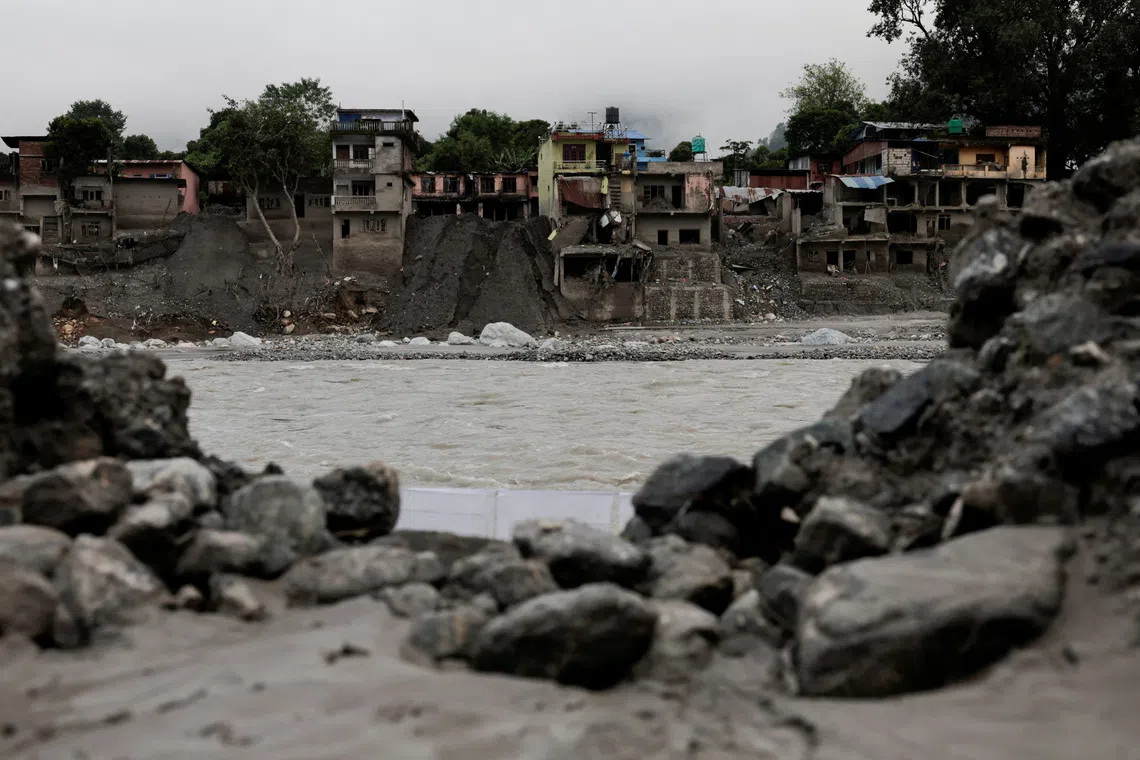
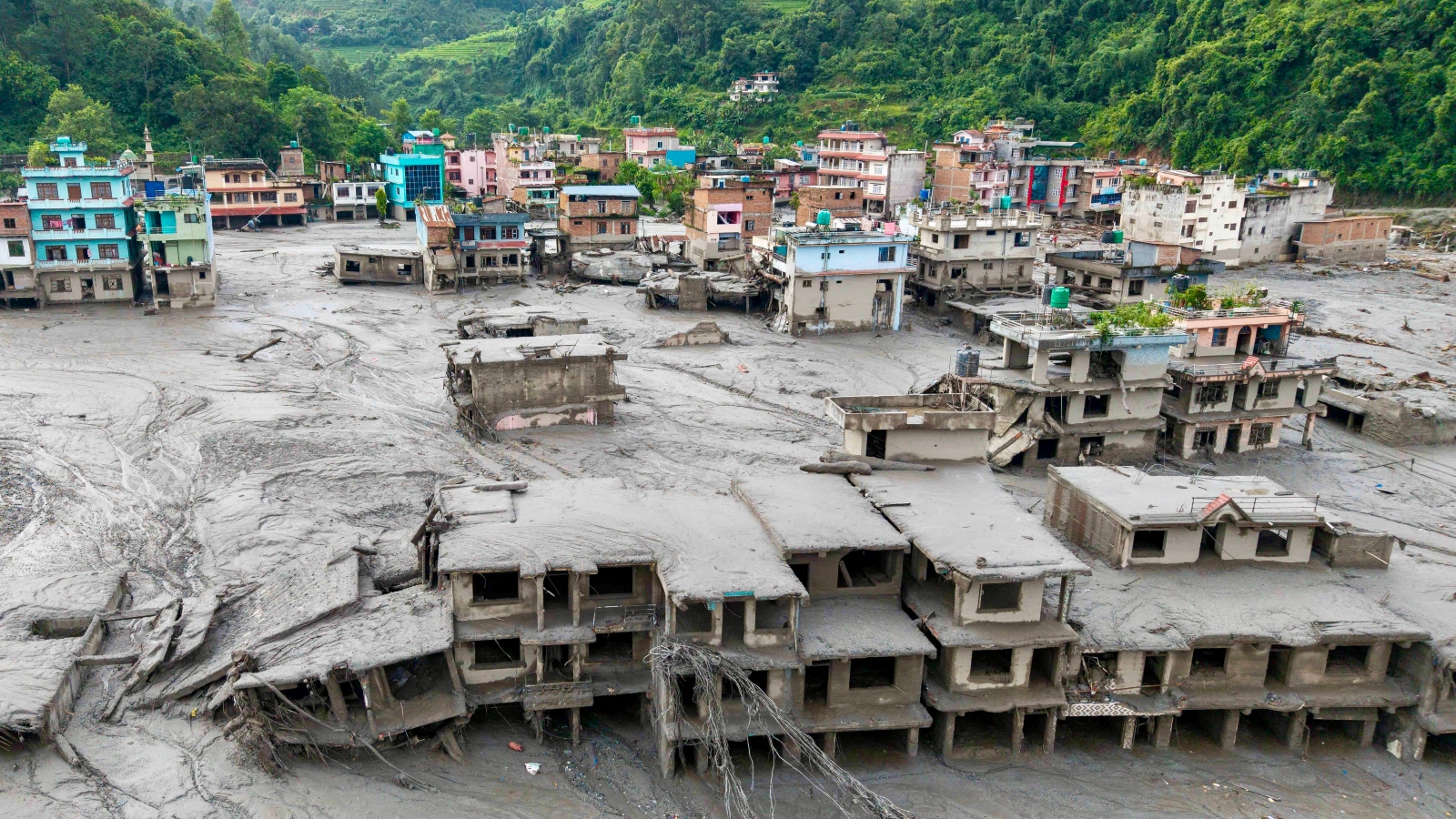
- Rajouri's Manawar Tawi River burst its banks roughly 30 miles from Murrah, washing away roads, dozens of vehicles, and the town's main Bela bus station, with low-lying riverbank settlements submerged in mud
- Gurez Valley's Achoora village was struck by a cloudburst on 20 July that damaged 11 families' crops and blocked the valley's only road, following repeated cloudbursts in Gurez and neighbouring Tulail over the past month
- ICIMOD warned that the western Himalayas are experiencing increasingly intense rainfall bursts and that accelerating glacier melt will likely raise short-term flood risks while reducing long-term water availability
- Dr. Suheel Rasool Mir, a Kashmir-based sociologist studying Indigenous communities, said Gujjar, Bakarwal, and Dard-Shin pastoralists are losing not only homes and livestock but the ancestral ecological knowledge that has sustained them for generations
Why it matters: For the dozens of families who lost loved ones and the hundreds displaced across Jammu and Kashmir, the destruction is immediate and irreplaceable — Latief cannot even bury his son. ICIMOD's warning of compounding flood risk now and water scarcity later points to a structural crisis for Himalayan pastoral communities whose seasonal migration and farming calendars depend on weather patterns that are already breaking down.
Ask SkimNews