Indonesia Cloud-Seeds Wildfires as 5M Breathe Haze — SkimNews
Get the Geopolitics newsletter
Daily geopolitics — wars, elections, sanctions, the diplomatic moves that move markets. Free.
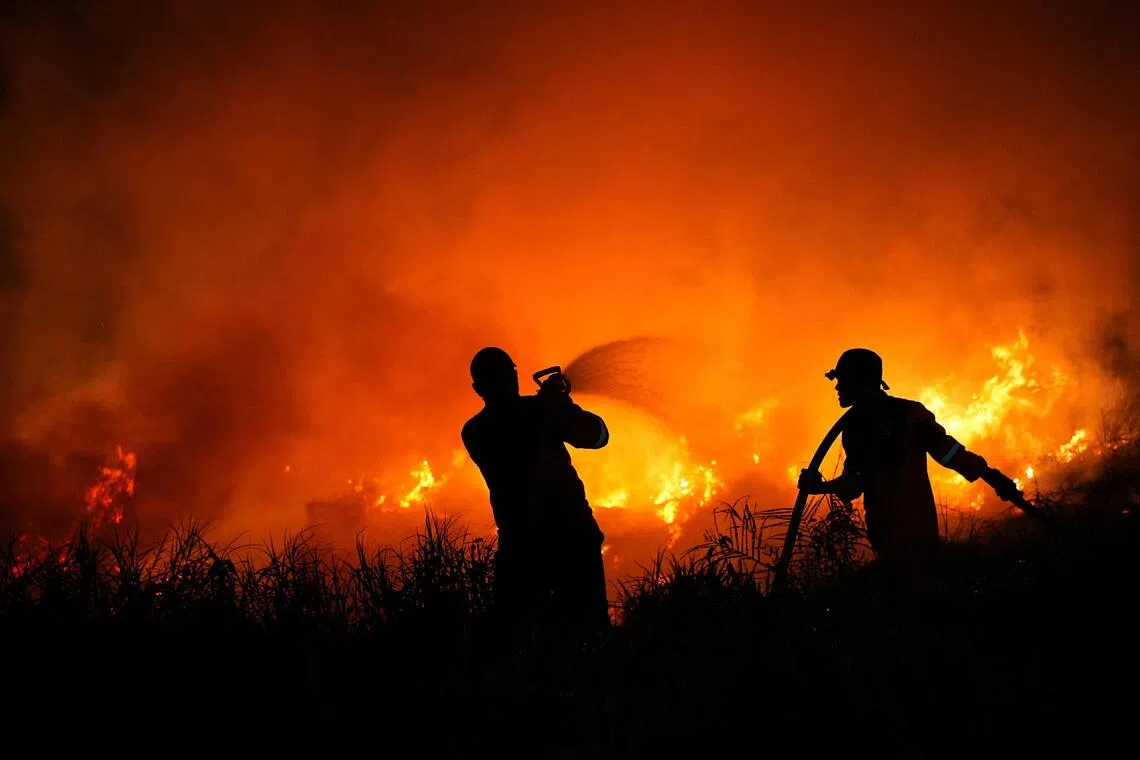
- Indonesia's National Disaster Agency (BNPB) scattered more than 8,000kg of salt onto clouds on Aug 26 alone and poured over 4 million liters of water on burning areas in recent weeks, prompting light to moderate rain over parts of Sumatra and West Kalimantan.
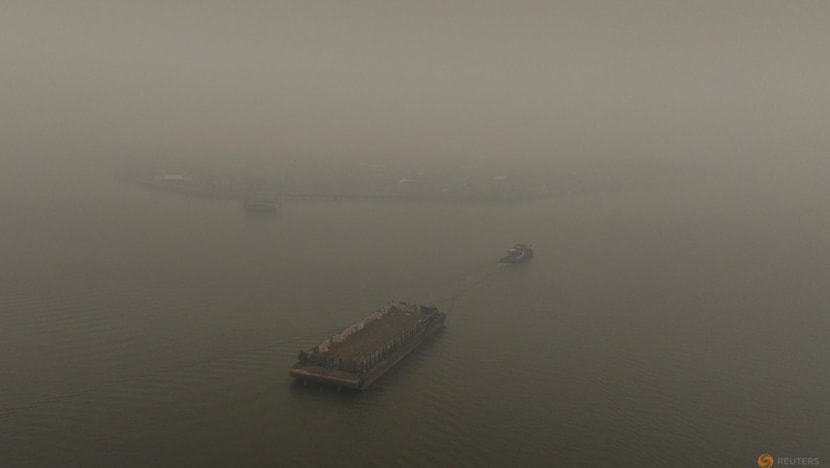
- Deputy Health Minister Dante Saksono Harbuwono said more than 13,500 people were treated for respiratory infections in July and August, flagging children, the elderly, pregnant women with asthma, and outdoor workers as the most vulnerable groups exposed to the haze.
- Fires between January and July burned more than 200,000 hectares of land—an area three times the size of Jakarta—exceeding the damage from both the 2019 and 2023 El Nino seasons, the government said.
- NGOs opened shelters in Palangkaraya, Central Kalimantan for haze-affected babies and children, though the Aug 28 report noted each facility can accommodate only five children at a time and is equipped with baby formula, oxygen tanks, and medicines.
- WALHI's Indra Syahnanda urged the government to address slash-and-burn farming practices driving the annual haze crisis, saying West Kalimantan residents remain "haunted" by unhealthy air each year.
- The Health Ministry distributed more than 5 million masks across Indonesia—a country of 289 million people—while haze also crossed borders to sicken people in Singapore and Malaysia, with the crisis fueled by an El Nino dubbed "Godzilla."
Why it matters: The 200,000+ hectares burned already exceed both the 2019 and 2023 El Nino seasons, underscoring how slash-and-burn agriculture continues to fuel annual haze emergencies across Southeast Asia. With NGO shelters in Palangkaraya accommodating only five children each, the on-the-ground response infrastructure appears overwhelmed as the crisis sickens people from Sumatra to Singapore.
Ask SkimNews