Nebraska Nighttime Heat Disrupts Sleep, Crops, Livestock — SkimNews
Get the Energy newsletter
Daily energy & climate — solar, EVs, oil, the policy fights and tech bets shaping the transition. Free.
- Nebraska's minimum temperatures have risen to the point that projected lows could reach the low 70s°F in coming decades — levels more typical of southeast Kansas and southern Missouri — per University of Nebraska-Lincoln's Eric Hunt.
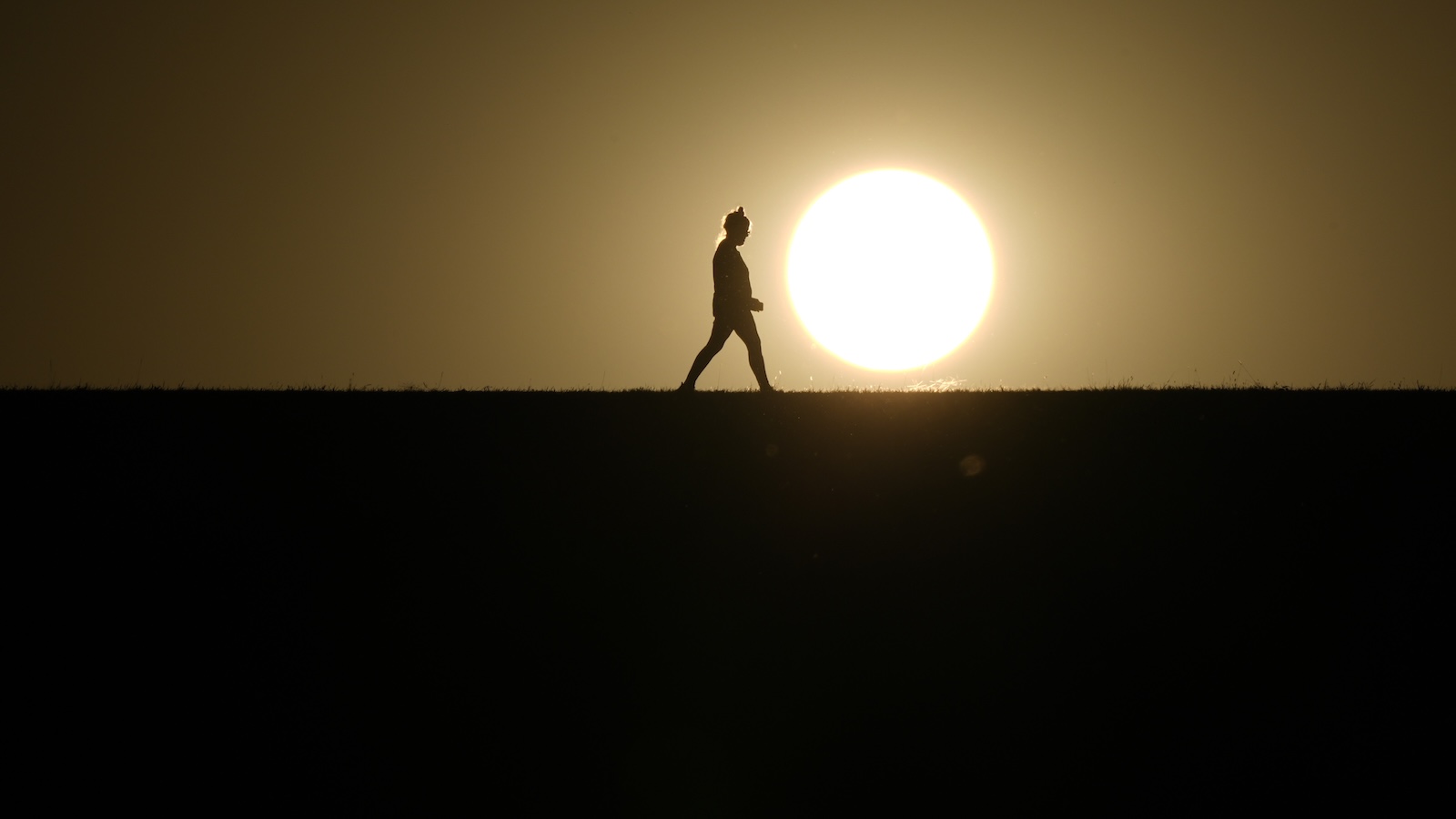
- Omaha and Lincoln residents lost an estimated 30 hours of sleep annually between 2020 and 2025 due to heat, with three of those hours attributed to climate change, according to a report organized by Climate Central.
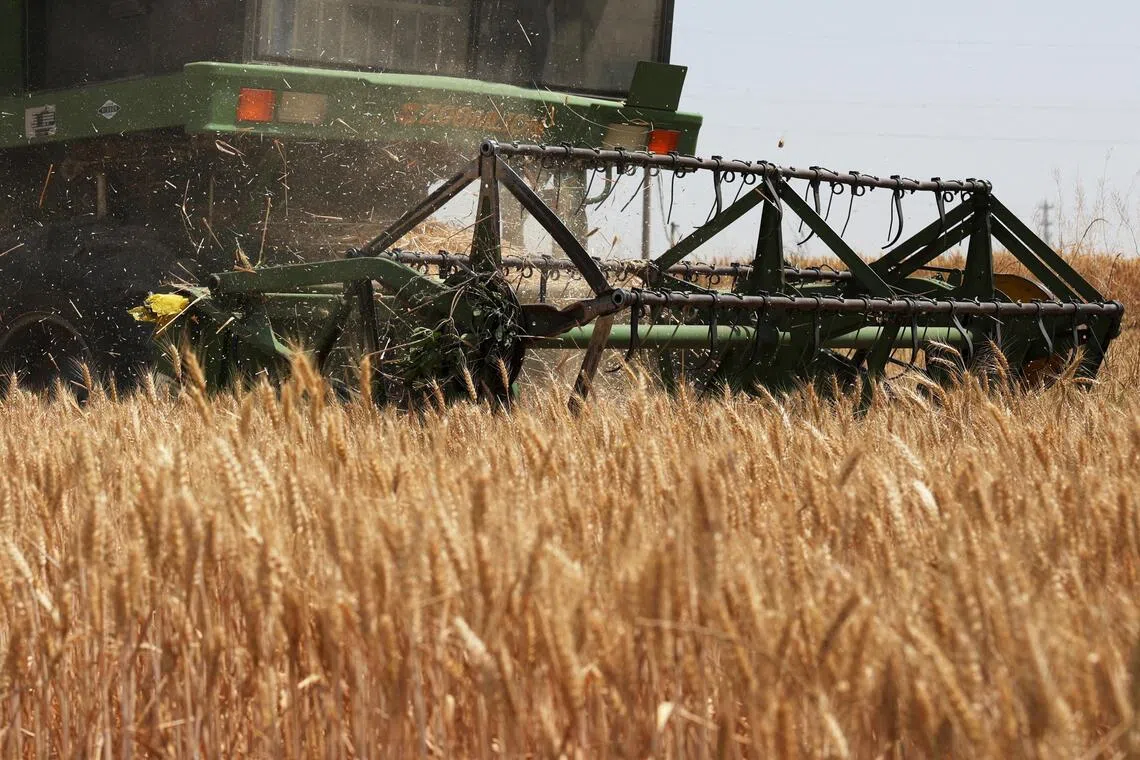
- Corn and soybean crops — Nebraska's two leading commodities — burn energy instead of storing it on warm nights, and multiple warm days and nights can cause corn to lose 'a week or more of filling time' in late summer and early fall, per UNL's Tom Hoegemeyer.
- Heat stress hits heavier, more productive livestock hardest — fat cattle, sows, and high-producing dairy cows — prompting producers to build more shade structures, increase ventilation, and sprinkle feedlot grounds, per UNL's Rick Stowell.
- Cooling centers at Omaha's Salvation Army North Corps Community Center and the Siena Francis House serve residents during heat advisories, while Lincoln's Lincoln-Lancaster County Health Department created an extreme heat response plan with one overnight cooling site.
- Air conditioning demand peaks around 5-6 p.m. but extends into the night as temperatures stay high, pushing some utilities to keep fossil fuel generation online while also meeting new load from data center customers.
- Heat-related deaths outpace fatalities from any other weather event on average in the United States, according to the article.
Why it matters: Nebraska's top crops, residents, and livestock all absorb costs from the same rising nighttime temperatures — corn loses a week of filling time per warm spell, residents lose 30 hours of sleep annually, and producers invest in shade and cooling infrastructure — showing one climate variable straining public health, agriculture, and the energy grid simultaneously.
Ask SkimNews