Even camels can't cope: Africa's ships of the desert hit by rising temperatures — SkimNews
Get the Energy newsletter
Daily energy & climate — solar, EVs, oil, the policy fights and tech bets shaping the transition. Free.
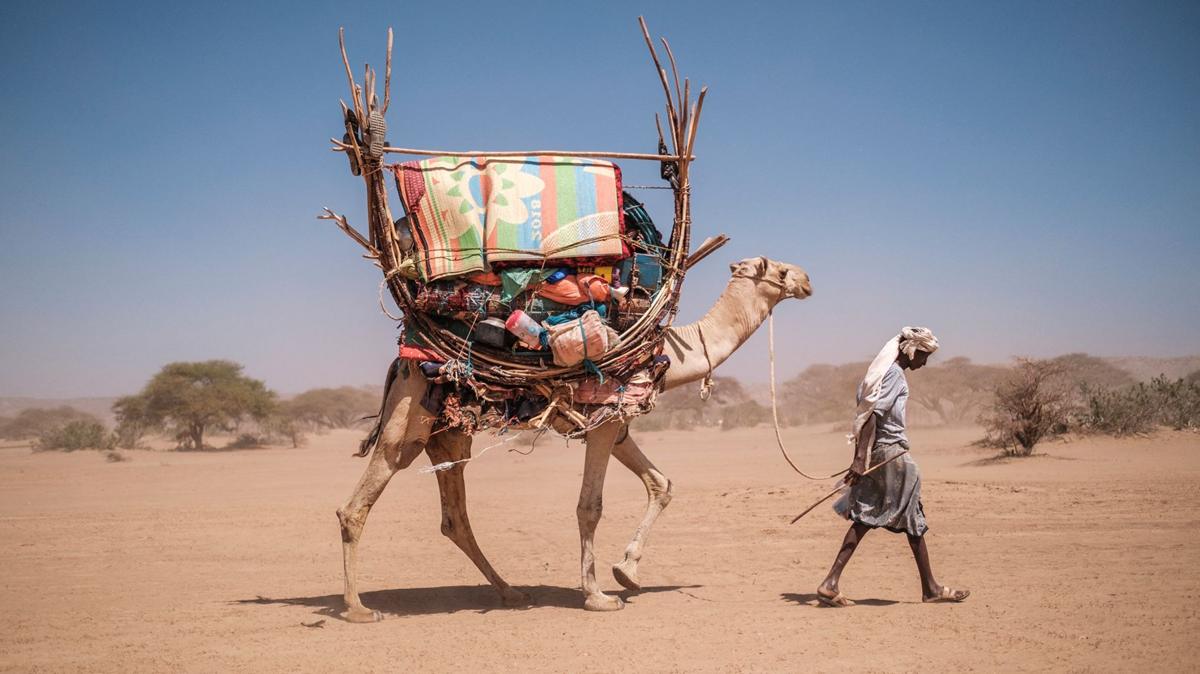
- Ali Umer, a 40-year-old camel herder in Ethiopia's Afar region, told the BBC he lost eight camel calves in the past month alone, with surviving animals developing blistered feet, watery eyes and skin burned by hot sand.
- A 2025 study of camel herders in southern Ethiopia found climate change and variability had detrimental effects on herd health, productivity and reproductive performance — findings echoed by separate studies in Algeria and the broader Horn of Africa.
- Research covering nearly 6,000 pastoral households in Somalia, published in June, found drought-related camel mortality hit nearly 46% of camel-owning families, with the Sool region recording what the authors called a "staggering mortality rate of nearly 73%".
- Hassan Nuya Guyo, a veterinary officer in Kenya's Marsabit county bordering Ethiopia, said camel deaths in his jurisdiction rose more than 15% over the past two years, with hyperthermia leaving the animals vulnerable to secondary infections.
- The World Meteorological Organization said several North African and Middle Eastern countries reported temperatures above 50°C in 2024, while its State of the Climate in Africa 2025 report found North Africa warming fastest of any African subregion at 0.43°C per decade since 1991.
- Ethiopian herders are abandoning the country's northern region for good — not as seasonal migration but permanently — because drought and heat have made camel husbandry unsustainable there, according to pastoralist researcher Daniel Gelan.
- Oxfam said water prices in parts of Somalia had risen more than 2,000% due to the drought, compounding the crisis for pastoralist communities already losing their primary livelihood asset.
Why it matters: Pastoralists across the Horn of Africa and Sahara — already among the world's most climate-exposed communities — are losing the livestock species they explicitly turned to for its heat tolerance, with herd mortality rates of 46-73% in Somalia and herders abandoning ancestral grazing lands permanently because the climate envelope camels evolved for no longer exists.
Ask SkimNews