Mecca defense pact faces first Houthi test — SkimNews
Get the Geopolitics newsletter
Daily geopolitics — wars, elections, sanctions, the diplomatic moves that move markets. Free.
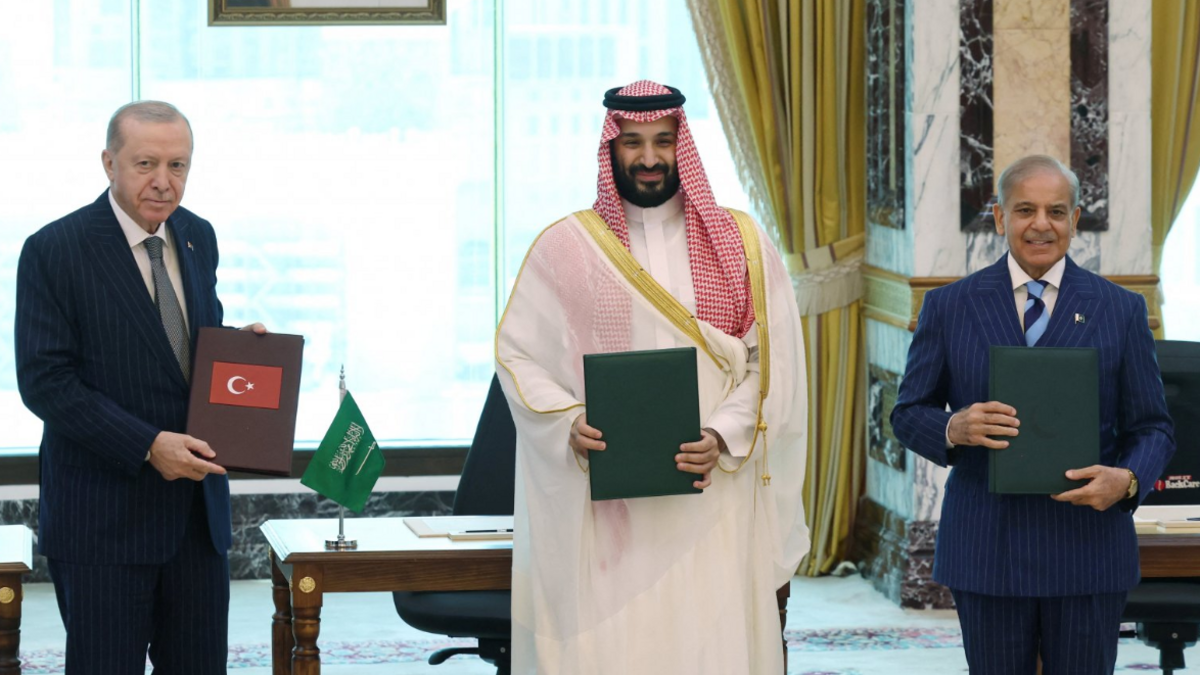
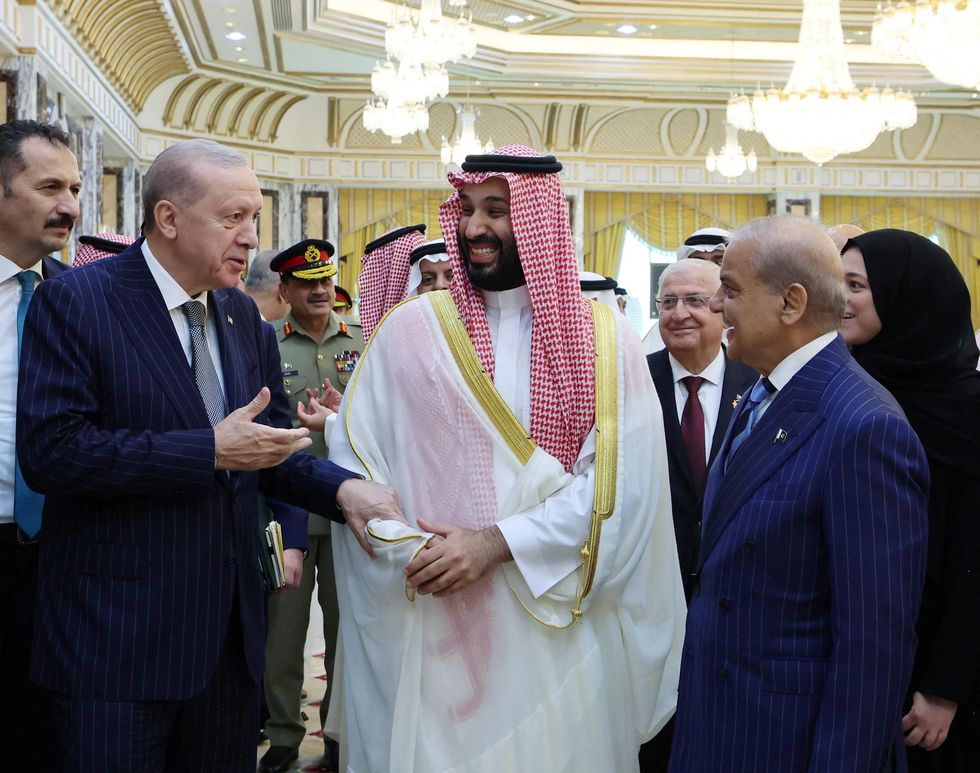
- The Mecca defense pact signed August 7 by Saudi Arabia, Turkey, and Pakistan declares an armed attack on any one country is an attack on all three, but publicly disclosed terms do not specify automatic military obligations or the expected form of response.
- The Houthis, who control northern Yemen with missiles, drones, maritime capabilities, and close ties to Iran, present a gray-area test case—leaving open whether strikes on Saudi border cities, oil facilities, or vessels beyond the kingdom's territory would activate the pact.
- Saudi Arabia was preparing for possible Houthi strikes and threats from Iran-linked groups in Iraq against energy facilities, ports, and airports a day before the signing ceremony.
- The Red Sea, home to vital Saudi energy and trade corridors, is the most likely first theater for practical cooperation through intelligence sharing, aerial and maritime surveillance, and shipping-lane protection—moves carrying less political risk than strikes inside Yemen.
- Yemeni political scientist Ahmed Saleh argues that continued Houthi attacks on Saudi Arabia after the pact could push Turkey and Pakistan toward deeper security involvement beyond Riyadh, widening the circle of states the Houthis would face.
- Yemeni military commander Salah Moayed, based with the internationally recognized government in the country's western coastal Red Sea region, says the key shift would be improved early warning, air defense, counter-drone systems, and intelligence sharing that raise attack costs without any Turkish or Pakistani troops entering Yemen.
- Washington faces a tension between years of urging allies to shoulder more of their own security and concern that greater regional capability could translate into greater independence in decisions around Yemen war escalation.
Why it matters: Saudi Arabia, Turkey, and Pakistan signed their August 7 Mecca pact declaring 'an attack on one is an attack on all' but disclosed no concrete military obligations—the Houthis, already striking Saudi territory and Red Sea shipping, become the first real test of whether the commitment carries operational weight or remains largely symbolic, reshaping Iran's regional calculus in either case.
Ask SkimNews