Utilities Can Eliminate the EV Renter's Penalty — SkimNews
Get the Energy newsletter
Daily energy & climate — solar, EVs, oil, the policy fights and tech bets shaping the transition. Free.
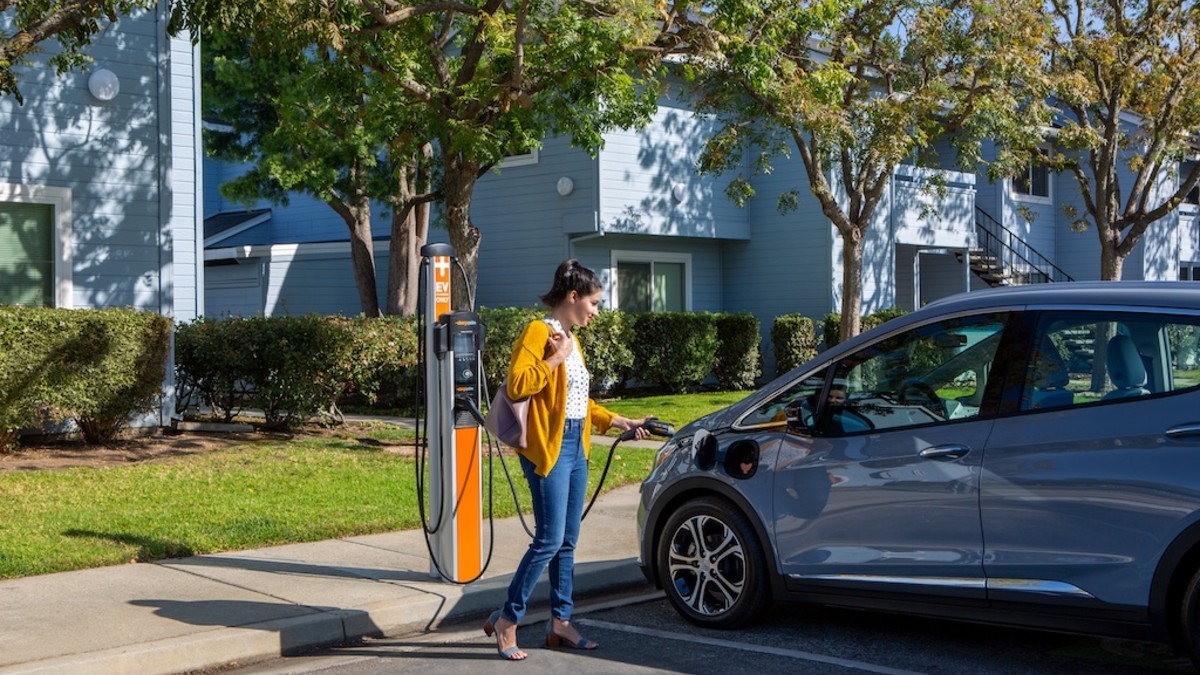
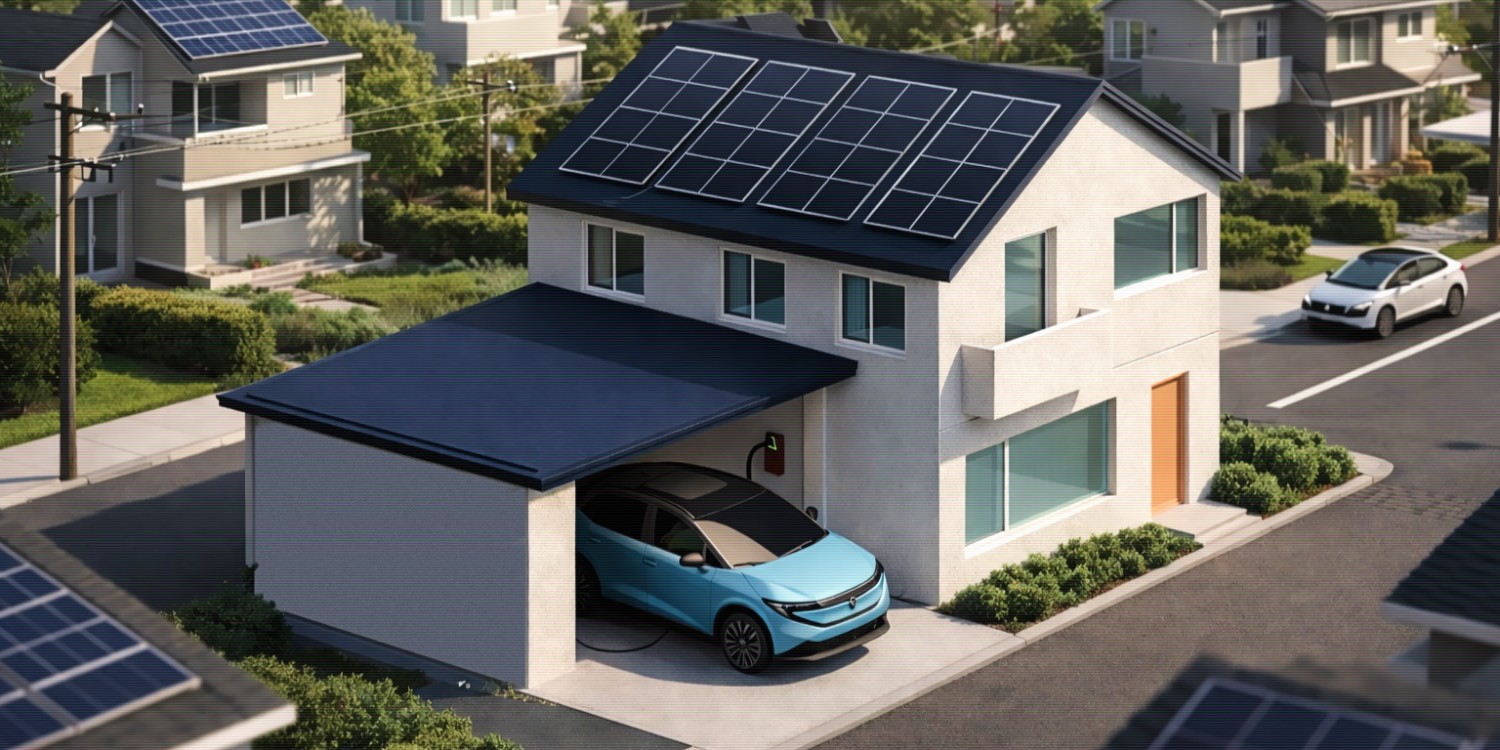
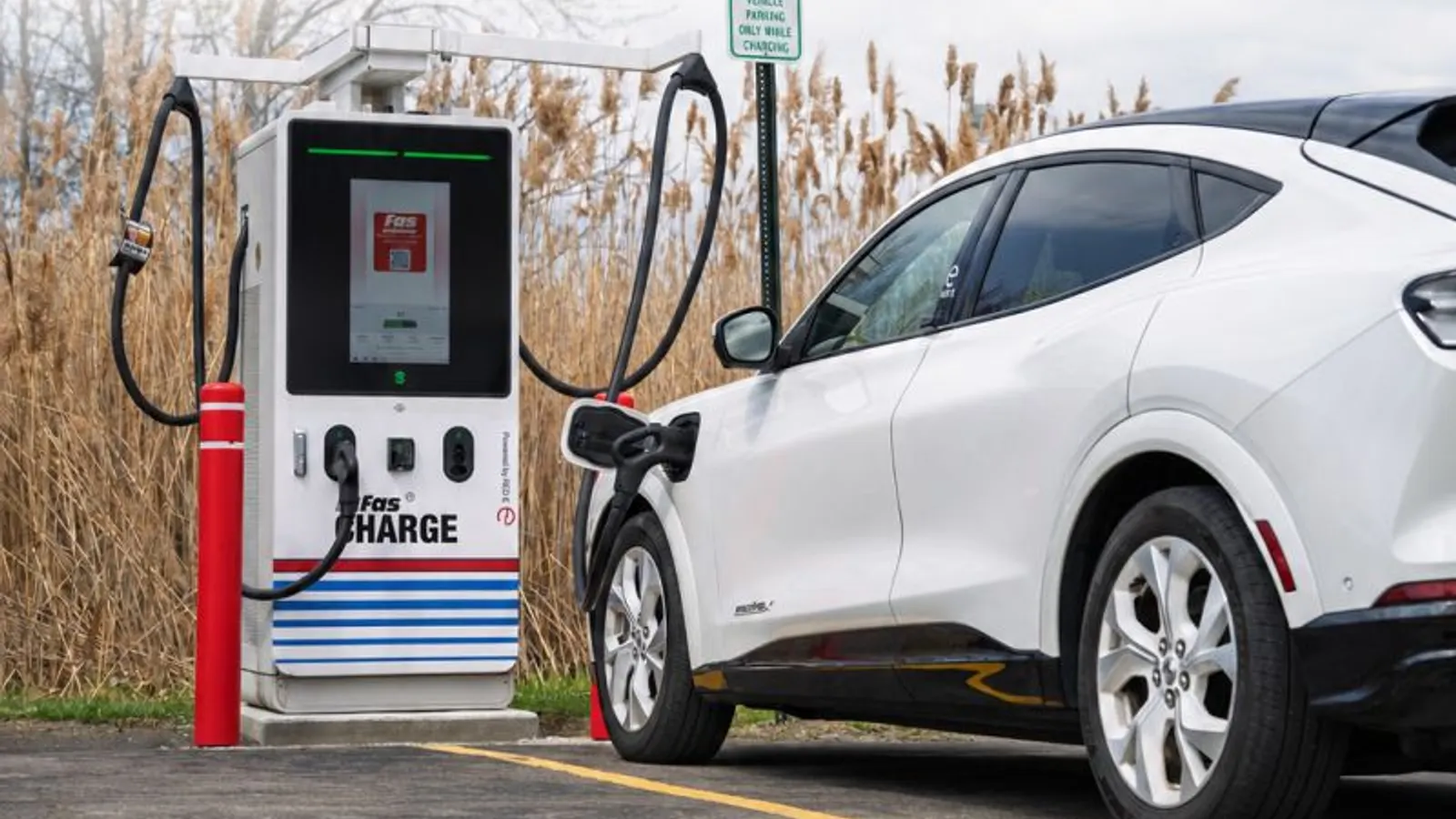
- GRID Alternatives strategists Zach Franklin and Linda Khamoushian argue that EV charging at public or shared multifamily stations can cost up to six times more than residential electricity rates — a disparity they call the "renter's penalty."
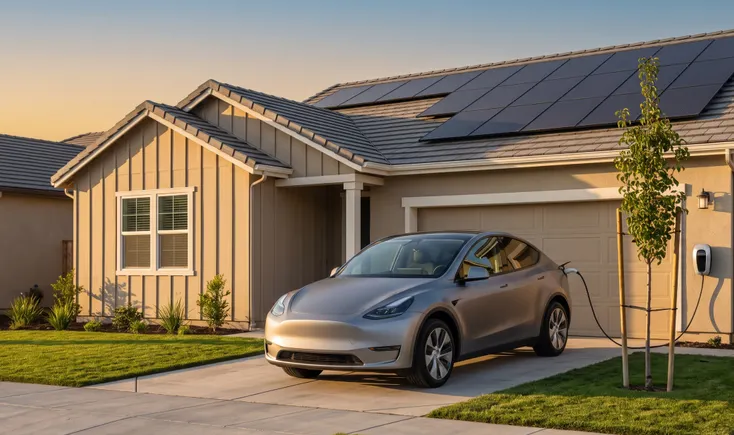
- Tens of millions of Americans in apartments, multifamily housing, or rental properties lack access to affordable home charging and must rely on pricier public or shared infrastructure.
- GRID Alternatives and the Smart Electric Power Alliance released a utility playbook outlining driver-based implementation models, including income-qualified discounts through customer accounts, prepaid charging cards, and discounted rates at utility-owned public or multifamily chargers in priority communities.
- Utilities can modernize existing affordability programs by separating income-qualified benefits from a static residential meter and applying them wherever eligible customers charge — making benefits portable and address-independent.
- The authors argue utilities do not need to wait for a comprehensive statewide policy, noting that existing programs already demonstrate customer-focused benefit delivery is feasible today.
- Affordable public charging, per the authors, expands the pool of EV-adopting customers, increases electricity sales, improves charger utilization, and encourages managed off-peak charging — reinforcing grid economics rather than competing with equity goals.
Why it matters: If utilities decouple income-qualified EV benefits from the home meter, the tens of millions of U.S. renters who currently pay a premium to charge could access the same discounts as single-family homeowners — and utilities simultaneously gain electricity sales, better charger utilization, and improved load factors. The authors' central pitch, often missed in coverage that frames equity and grid economics as competing, is that affordable public charging is already good utility business, not a regulatory concession.
Ask SkimNews