Singapore Lobbies Rubio to Avoid US Tariff Hit
Get the Geopolitics newsletter
Daily geopolitics — wars, elections, sanctions, the diplomatic moves that move markets. Free.
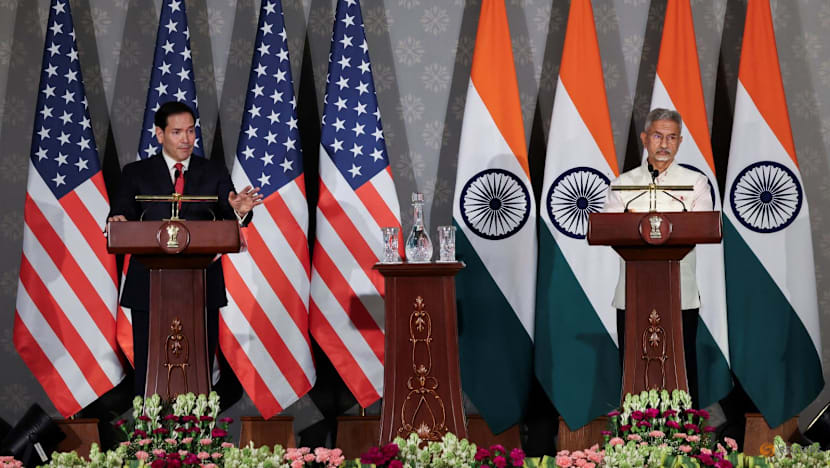
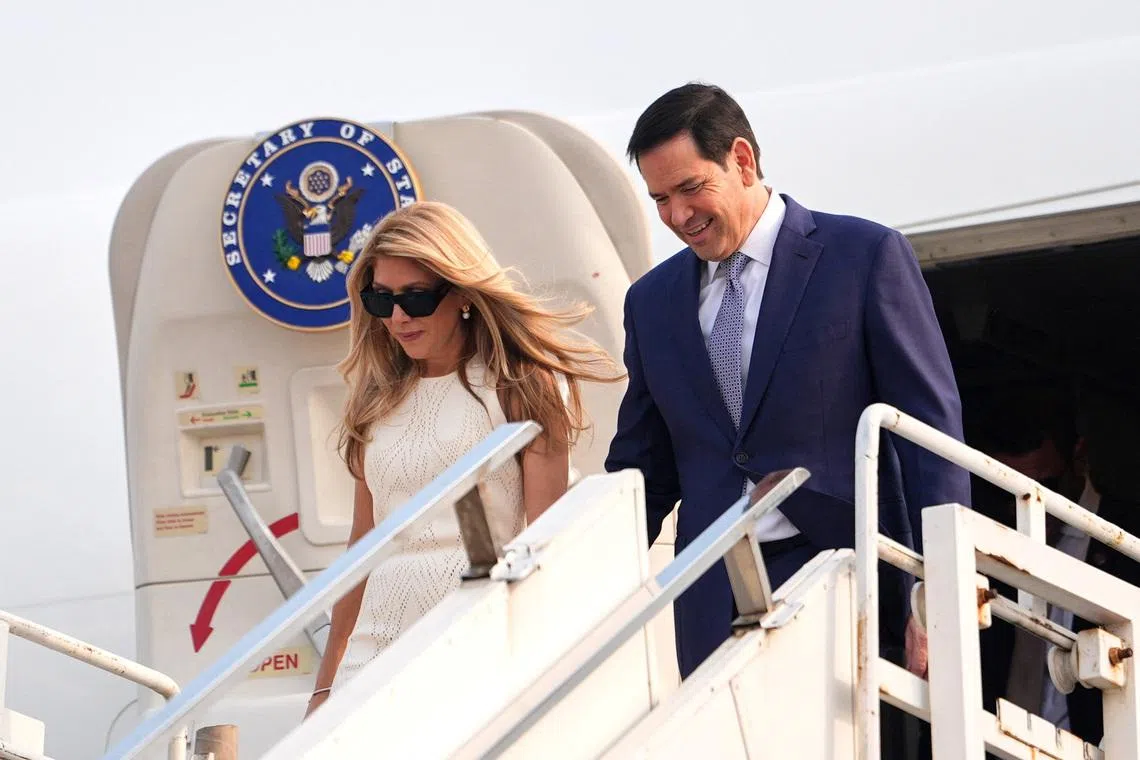
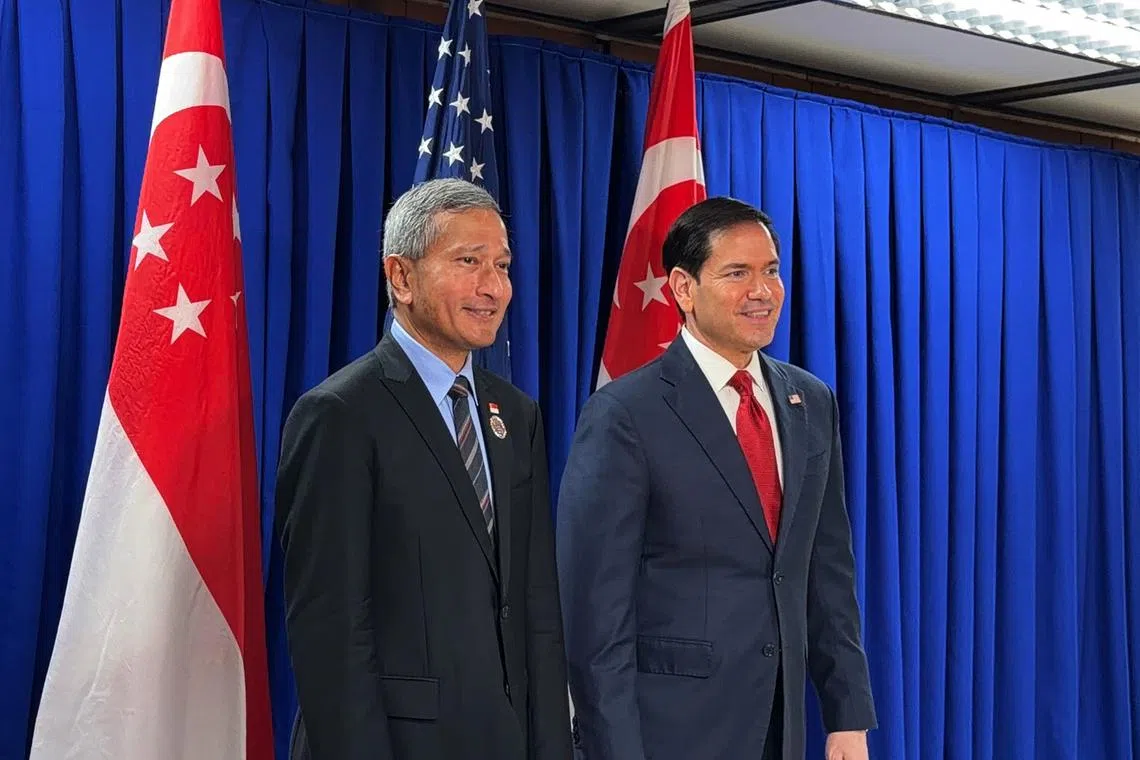
- Vivian Balakrishnan told Singapore media he raised tariff concerns with US Secretary of State Marco Rubio at the ASEAN Foreign Ministers' Meeting in Manila, arguing the US has a growing trade surplus against Singapore with 'no technical or economic basis' to impose tariffs.
- The Trump administration's temporary 10% across-the-board import surcharge expires July 24, with targeted Section 301 tariffs on unfair trade practices expected to follow; Singapore has rejected accusations of forced labour in its supply chains.
- Balakrishnan outlined three priorities for Singapore's 2027 ASEAN chairmanship — maintaining ASEAN centrality, building resilience, and strengthening regional integration — noting both Washington and Beijing approached the meetings in a 'careful, deliberate and constructive way.'
- On Myanmar, Balakrishnan said there has been 'not enough progress, and certainly no progress since last week,' rejected calling Aung San Suu Kyi a bargaining chip, and said her release is a prerequisite for 'honest-to-goodness' reconciliation.
- Balakrishnan said Middle East conflict has heightened ASEAN's energy resilience needs, pointing to untapped solar, wind, geothermal, oil and gas potential and the ASEAN Power Grid as priorities requiring urgent execution.
- ASEAN foreign ministers issued a joint statement on July 21 expressing concern over renewed hostilities and calling for the reopening of the Strait of Hormuz; ministers gather July 24 to mark 50 years of the Treaty of Amity and Cooperation.
Why it matters: Singapore's argument to Rubio that the US runs a trade surplus against it tests whether Trump's tariff strategy distinguishes real trade imbalances from indiscriminate political targets. With the 10% surcharge expiring July 24 and new Section 301 duties expected, Singapore and fellow ASEAN economies face tariff uncertainty while also bracing for Middle East-driven energy shocks.