Rubio Warns ASEAN: Iran Hormuz Control Sets Dangerous Precedent — SkimNews

Get the Geopolitics newsletter
Daily geopolitics — wars, elections, sanctions, the diplomatic moves that move markets. Free.
- Marco Rubio told ASEAN counterparts in Manila on July 22, 2026, that allowing Iran to control the Strait of Hormuz and charge tolls would create a dangerous precedent that 'will repeat itself in other parts of the world, including in this region,' threatening the world's economy.
- Rubio reassured ASEAN the U.S. is '100%' committed to the bloc despite Washington's preoccupation with the war in West Asia, framing the Hormuz dispute as a direct Indo-Pacific concern.
- The Quad — U.S., Australia, India, and Japan — held a foreign ministers' meeting on the sidelines and issued a joint statement reaffirming maritime security initiatives aimed at countering China's growing regional influence.
- Rubio met Indian External Affairs Minister Subrahmanyam Jaishankar and agreed to finalize an interim trade deal to lower President Trump's tariffs on Indian goods, according to State Department spokesperson Tommy Pigott.
- Rubio was scheduled to meet Chinese Foreign Minister Wang Yi separately at the tightly secured Manila Bay convention complex, where three days of ASEAN talks began July 21, 2026.
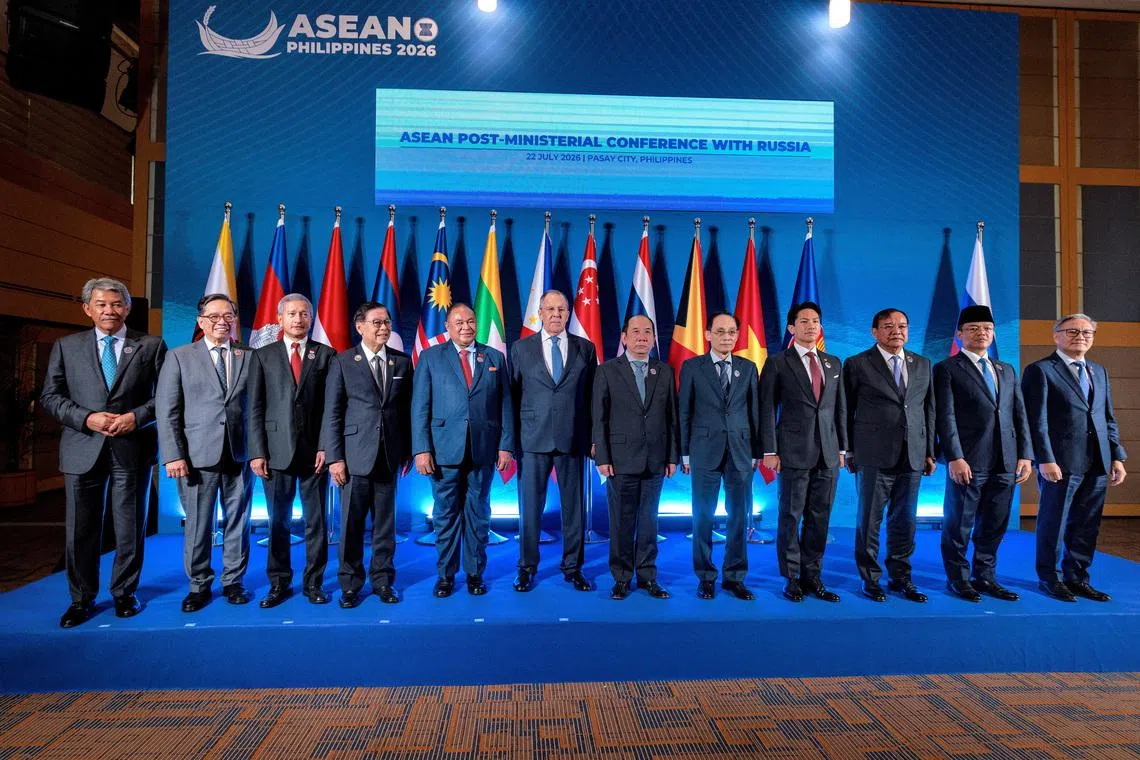
- Newly minted British Foreign Secretary Ed Miliband was arriving Wednesday to join the gathering, which also drew top diplomats from China, Russia, and other countries.
Why it matters: ASEAN economies depend on Hormuz shipping lanes for energy imports, so Rubio's framing converts a Middle Eastern military conflict into an Indo-Pacific economic threat — broadening the coalition willing to push back on Tehran while the Quad simultaneously locks in maritime coordination against China on the same trip.
Ask SkimNews