ASEAN Forum in Manila: Rubio-Iran, Lavrov Talks, China-Philippines — SkimNews
Get the Geopolitics newsletter
Daily geopolitics — wars, elections, sanctions, the diplomatic moves that move markets. Free.
- ASEAN Regional Forum convened top diplomats from Asia, Europe, and North America in Manila on July 23, with the Iran war and Strait of Hormuz blockade expected to dominate talks; the bloc's roughly $3.8 trillion economy is heavily exposed to Middle East oil fallout.
- Marco Rubio told ASEAN ministers on July 22 that Washington wants a diplomatic solution but accused Tehran of not being "serious about talks," while the US military launched strikes for a 12th successive night, 12 days after the Middle East ceasefire collapsed.
- Iran-aligned Houthis claimed hits on two Saudi oil tankers as part of a blockade forming a second chokehold on global oil supplies at the Red Sea, on top of the Strait of Hormuz disruption.
- China's vice-foreign minister Hua Chunying declared "the world has entered a new period of turbulence and transformation," warning the Middle East situation has "spilt over into energy and food supply chains."
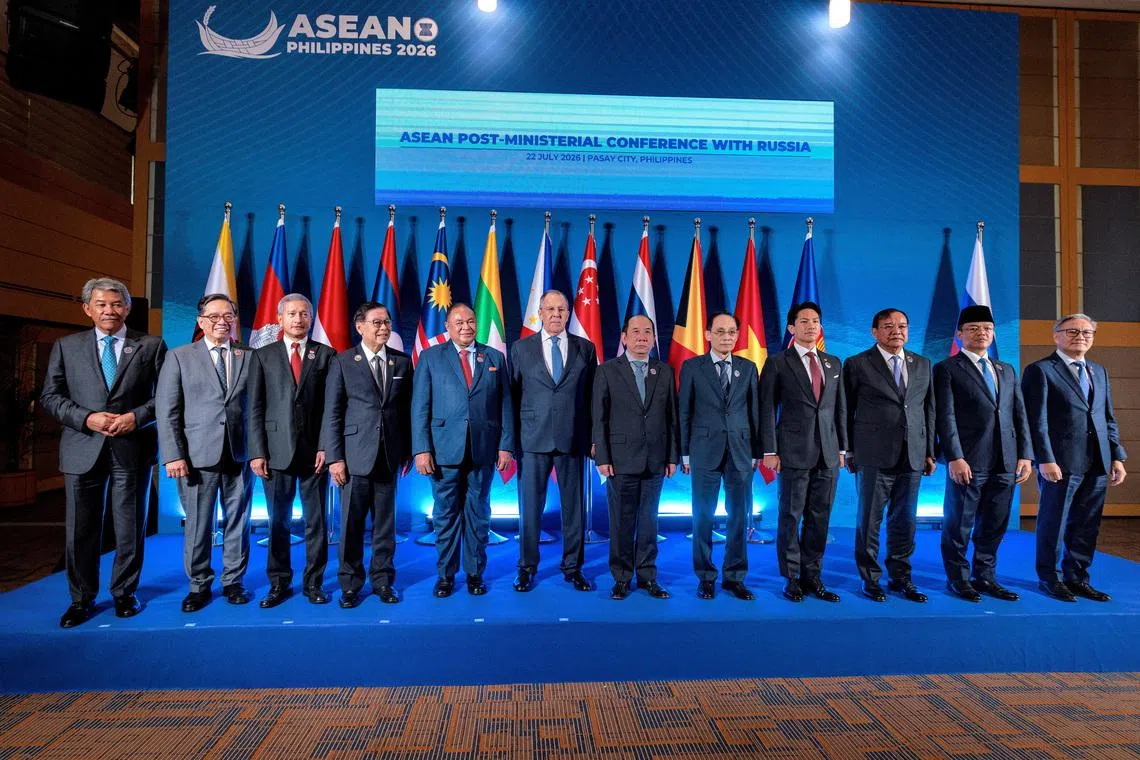
- Rubio was due to meet Russia's Sergei Lavrov on July 23 to discuss the Ukraine war, saying Washington was looking to play a "constructive role" in ending it.
- China and the Philippines summoned each other's ambassadors after a July 20 coast guard altercation near a disputed reef; China's Wang Yi called the South China Sea "our common home" and urged regional states to resist "incitement of foreign forces."
Why it matters: ASEAN's $3.8 trillion economy is heavily reliant on Middle East oil, and the forum now hosts simultaneous US-Iran friction, a Rubio-Lavrov Ukraine sit-down, and a fresh China-Philippines ambassador row — concentrating the bloc's exposure to energy shocks and great-power competition into a single diplomatic room, where its ability to mediate between Washington, Beijing, and Moscow will be tested.
Ask SkimNews


