ASEAN Energy Chiefs Meet as Iran War Disrupts Oil Supply — SkimNews

Get the Geopolitics newsletter
Daily geopolitics — wars, elections, sanctions, the diplomatic moves that move markets. Free.
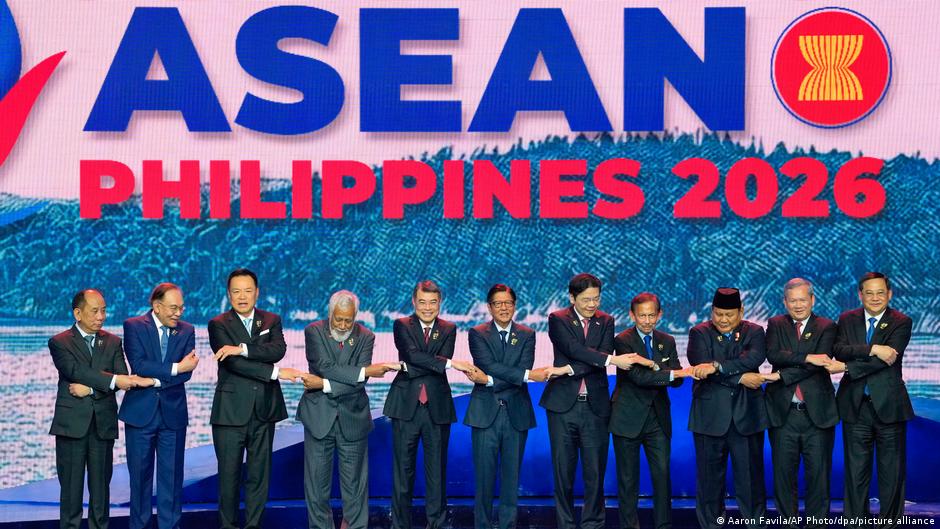
- ASEAN energy ministers convened in Manila on Wednesday and Thursday to discuss energy security, with the bloc's 11 member states having imported about half their oil from the Middle East before the war began in late February.
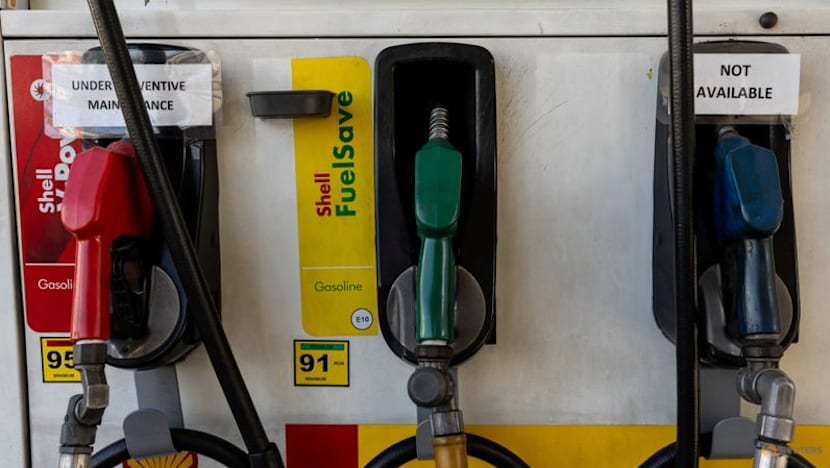
- The Philippines, the current ASEAN chair, declared a national energy emergency within weeks of the war's start after warnings that fuel supplies could run dry in 45 days.
- Thailand, Vietnam, Indonesia, and Cambodia rolled out energy-conservation measures including work-from-home arrangements and fuel rationing to cope with the supply crunch.
- The ASEAN Power Grid initiative, first mooted in the late 1990s, has completed only 9 of 18 priority projects, with experts attributing the slow progress to ASEAN's lack of a supranational enforcement authority.
- Southeast Asia's per capita energy demand has risen nearly 30% over the past decade while regional oil production has fallen 40% from its 1990s peak, according to the International Energy Agency.
- IEA Executive Director Fatih Birol warned on Monday that the region must build energy security 'across the whole system' to handle disruptions in an 'uncertain global energy landscape,' while Philippine Energy Secretary Sharon S Garin said ASEAN must 'translate regional cooperation into practical arrangements.'
Why it matters: For a region of 700 million people and a combined GDP exceeding $4.2 trillion, the Iran war has exposed the bloc's structural vulnerability: half its oil came from the Middle East even as regional production had already fallen 40% from its 1990s peak. The Manila meeting tests whether ASEAN can move from decades of integration rhetoric to binding fuel-sharing and grid connections without the supranational authority that lets the EU coordinate energy policy.
Ask SkimNews