ASEAN ministers push energy security amid Middle East war — SkimNews
Get the Energy newsletter
Daily energy & climate — solar, EVs, oil, the policy fights and tech bets shaping the transition. Free.
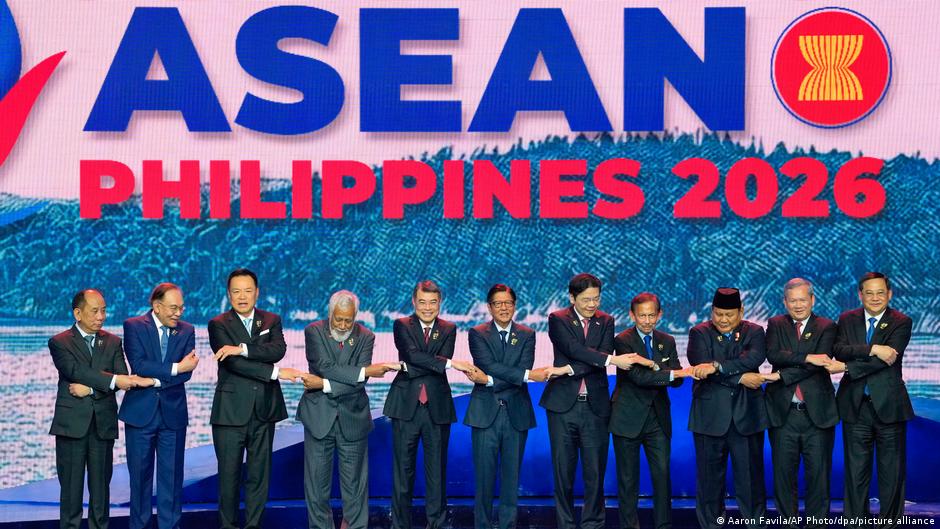
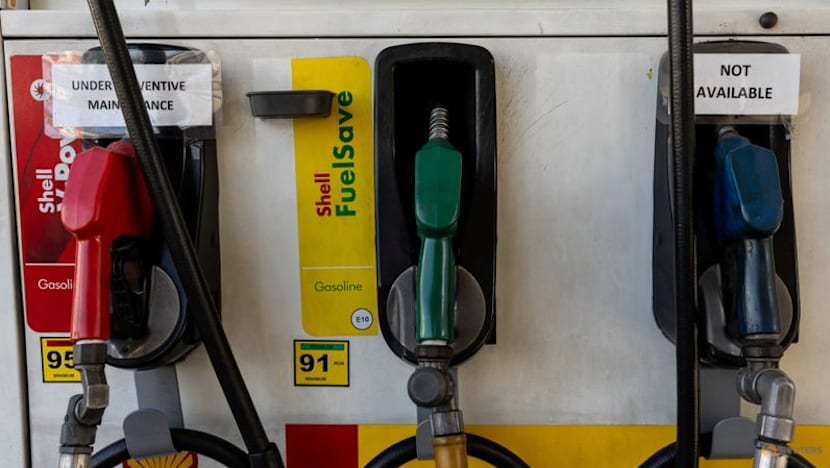
- ASEAN energy ministers meeting in Manila are reviewing fuel-security measures, with the region importing more than half its crude from the Middle East amid a US-Israeli war against Iran and global benchmark prices around US$100/barrel.
- The ASEAN Centre for Energy warned a severe Middle East supply disruption could place oil volumes equivalent to nearly 28% of ASEAN's final oil consumption at risk.
- Chinese refiners have suspended oil product exports for October, compounding regional supply concerns as ministers convened.
- Philippine Energy Undersecretary Felix Fuentebella said the crisis pushed energy security from a "technical issue to a priority" for ASEAN ministers and leaders, per his Oct. 1 comments to Reuters.
- Manila jeepney driver Antonio Bandin said his daily fuel bill more than doubled to about 2,400 pesos (US$38) per day, telling the paper: "We hardly take anything home anymore."
- ISEAS-Yusof Ishak Institute senior fellow Christopher Len cautioned that regional stockpiling "is more about preparing for the next crisis. A reserve is a buffer. It is not a strategy."
- The IEA estimates Southeast Asia's energy import bill could rise from US$80 billion in 2024 to about US$245 billion by 2035 without structural change, with the ASEAN Power Grid requiring roughly US$27 billion in investment by 2040.
Why it matters: ASEAN imports over half its crude from the Middle East, so every week of war transmits directly into transport and household costs — Bandin's doubled fuel bill is the human-scale proof. The IEA's projection of a $245 billion import bill by 2035 quantifies the cost of inaction, while ERIA's warning that insufficient storage capacity blocks APSA implementation shows the gap between announced plans and deployable buffer.
Ask SkimNews