Rewetted Peatland Solar Farms Host Diverse Bird Species — SkimNews

Get the Energy newsletter
Daily energy & climate — solar, EVs, oil, the policy fights and tech bets shaping the transition. Free.
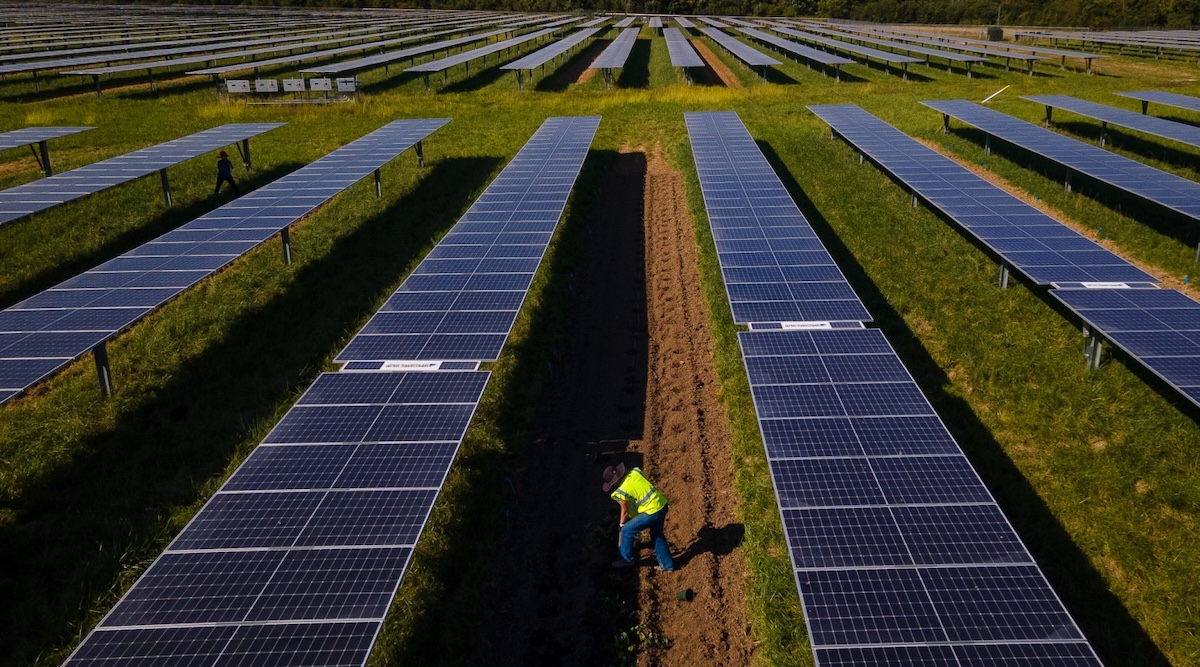
- Wattmanufactur's 30-hectare solar park on rewetted peatland hosts wetland species like white wagtails, reed buntings and grey herons, plus woodland species such as tree pipits and Eurasian tree sparrows — while two nearby regularly mown hay fields contain only grassland birds like the European goldfinch.
- The solar company built sand-and-gravel roads in 2020 that blocked water flow to existing drainage ditches, allowing the former farm field to accumulate water and revert to peatland; the park is one of only five solar installations on rewetted peatland worldwide.
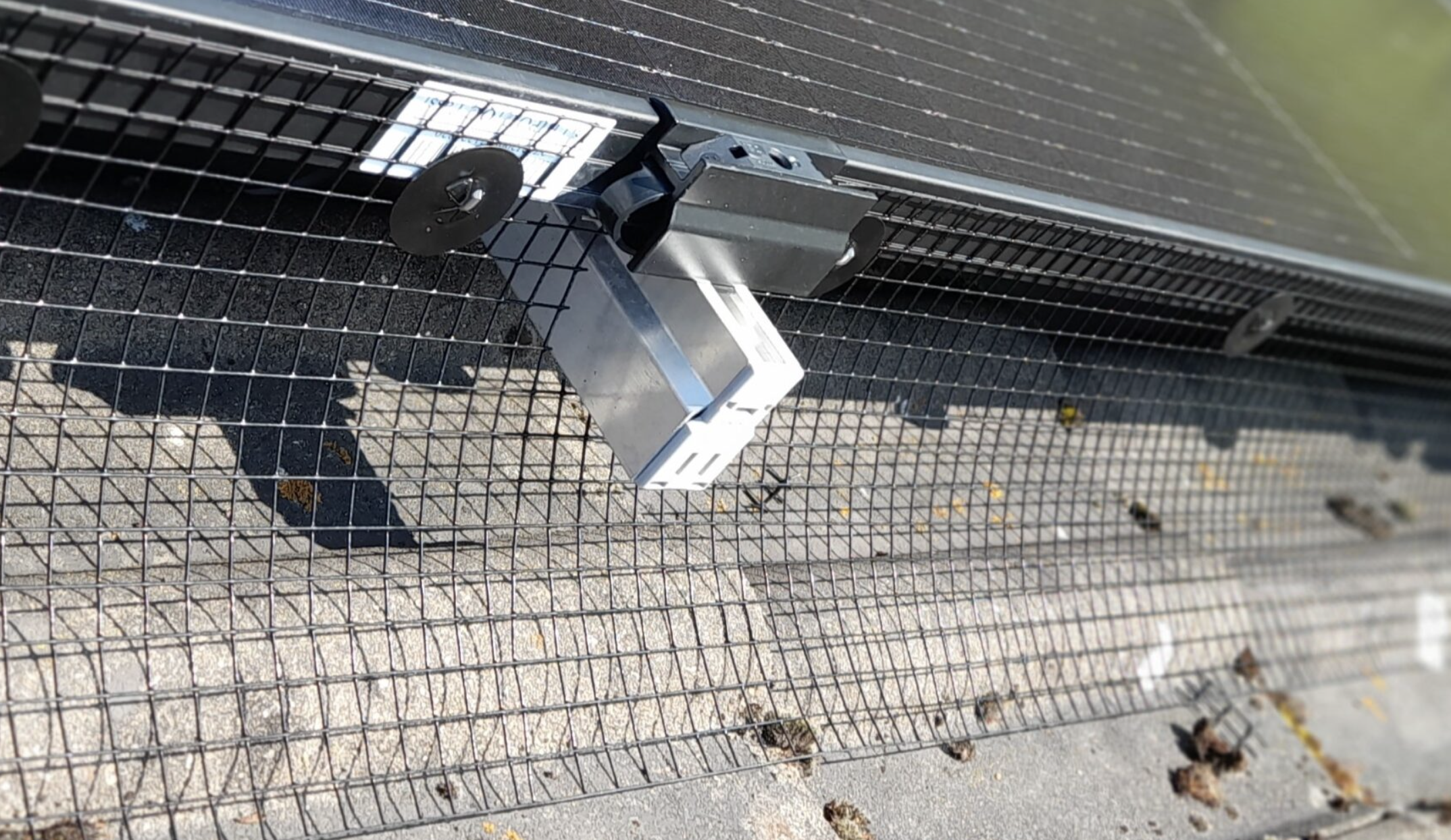
- Solar panels served as perches for buzzards and kestrels hunting mice in the grass below, and researchers photographed the meadow pipit — a small grassland species threatened in Germany — on the panels.
- Of 165 solar farms built on degraded peatland in Germany, some are releasing more greenhouse gases than they displace with carbon-free electricity, because drained peat continues emitting CO2 for decades or centuries after drainage.
- Germany barred solar farms on degraded peatland from receiving a minimum guaranteed electricity price in 2023, but developers aren't always required to disclose whether their installation sits on drained peat.
- Catherine Waite at the University of Cambridge said peatland PV "could be a really good way to kind of help regenerate heavily degraded agricultural peat" but warned against placing it on healthy peatlands, calling for more government incentives.
Why it matters: Germany's 165 solar farms on degraded peatland illustrate the policy gap the study exposes: some still emit more greenhouse gases than they offset because drained peat releases CO2 for decades. Germany barred them from guaranteed prices in 2023 but doesn't require peatland-siting disclosure — leaving a rare triple-win concept undertested and underregulated.
Ask SkimNews