Heal Somerset logs 94 bird species after 3 years — SkimNews

Get the Energy newsletter
Daily energy & climate — solar, EVs, oil, the policy fights and tech bets shaping the transition. Free.
- Heal Somerset recorded 94 bird species, up from 67, and 24 butterfly species, up from 11, after three years of rewilding.
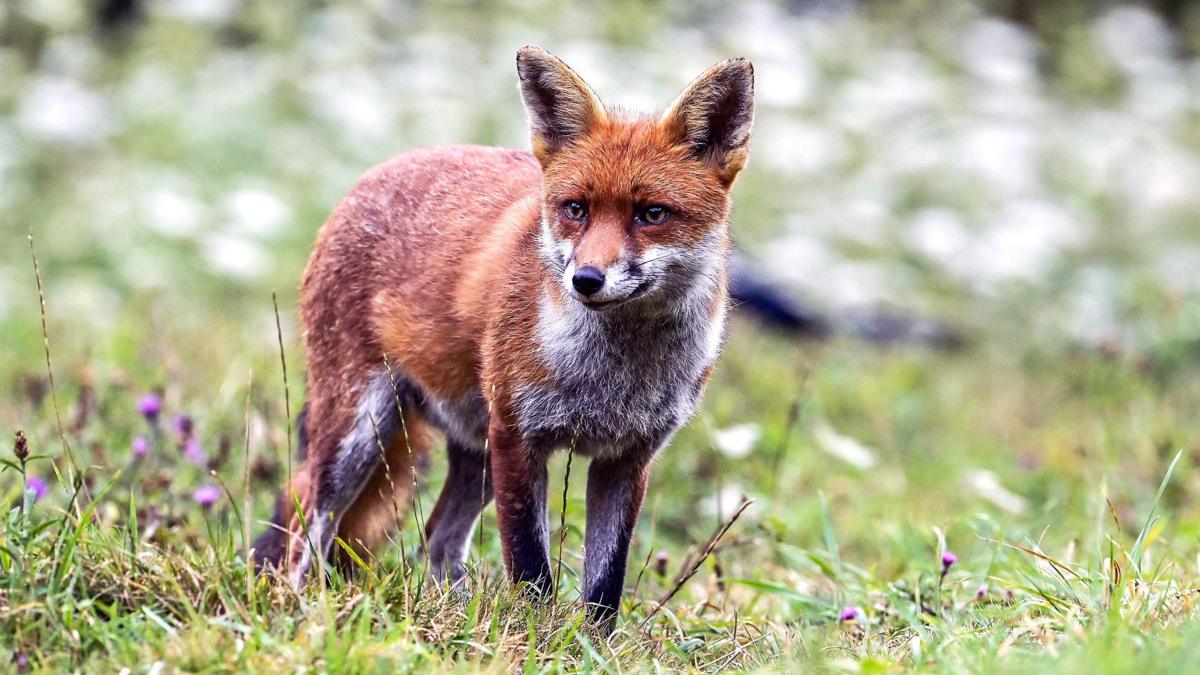
- Heal Somerset supports five small‑mammal species, compared with three at a nearby organic dairy farm, according to a humane trapping survey.
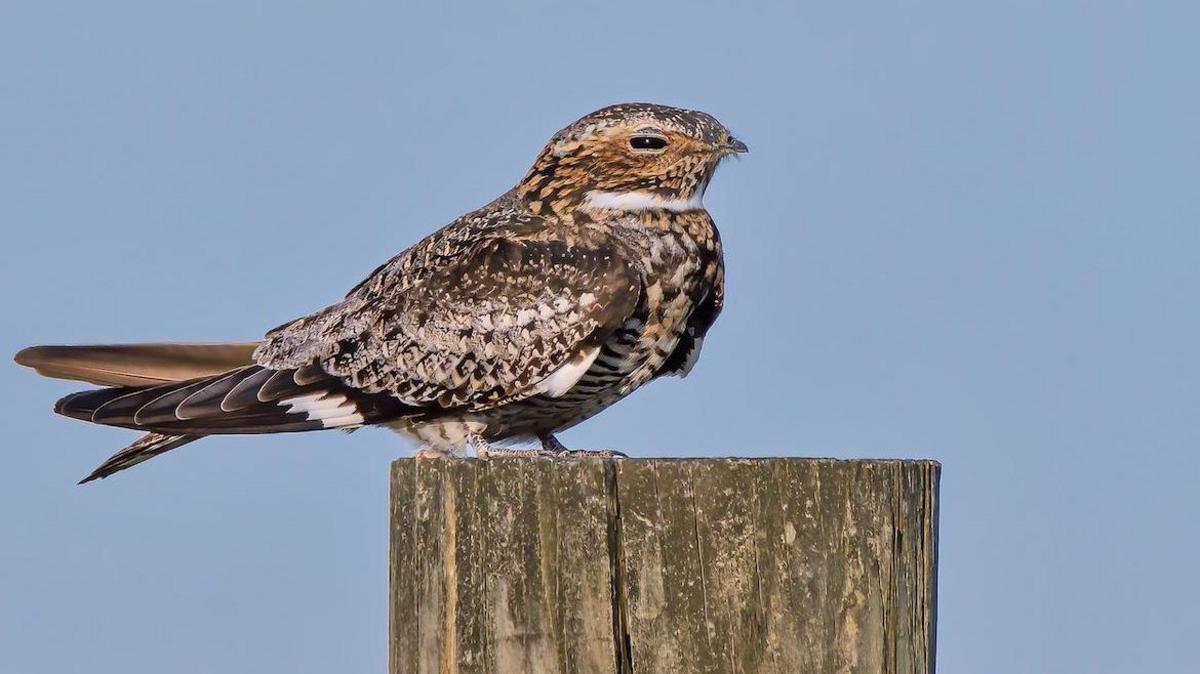
- Heal Somerset now hosts at least 15 bat species and 60 breeding bird species, including the endangered bullfinch and tree pipits.
- Heal Rewilding restores natural stream flows, reintroduces free‑roaming beavers, leaves dead wood, and has added tamworth pigs, with plans for cattle and ponies to graze freely.
- Heal Somerset is maintained by over 250 volunteers and partnerships with 15 underserved groups, such as people with dementia, additional needs and financial difficulties, plus youth groups and schools.
- Jan Stannard, chief executive and co‑founder of Heal Rewilding, said giving wildlife an undisturbed sanctuary leads to resurgence and noted rewilding’s under‑representation in the UK State of Nature report.
- Dan Hill, a 25‑year‑old rewilding ranger, described the transformation from a monoculture of rye grass to a diverse habitat and highlighted visitor enthusiasm.
Why it matters: The surge in birds, butterflies and mammals benefits local ecosystems and volunteers, while showing policymakers that rewilding can deliver measurable biodiversity gains and that community‑driven, low‑cost land management can restore habitats, strengthening the case for greater inclusion of rewilding in national nature recovery strategies.
Ask SkimNews