US-Iran MOU Eases Hormuz, Disputes Block Final Deal — SkimNews
SkimNews Take
Markets priced in de-escalation while the underlying dispute remains unresolved, so the oil and shipping relief reflects sentiment rather than resolution and could unwind as quickly as it materialized.
Get the Geopolitics newsletter
Daily geopolitics — wars, elections, sanctions, the diplomatic moves that move markets. Free.
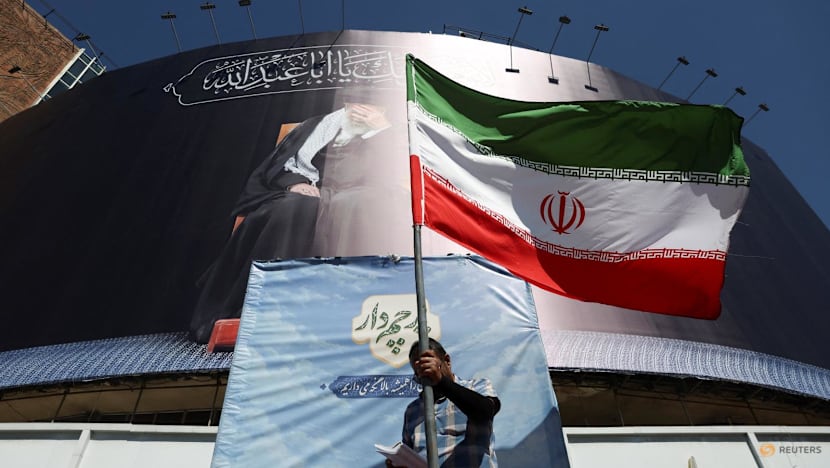
- Donald Trump and Iranian President Masoud Pezeshkian separately signed a memorandum of understanding on June 17, mediated by Pakistan and Qatar, to end hostilities between the two countries.
- Strait of Hormuz shipping is ticking up and oil prices are coming down following the deal, while Washington issued a 60-day waiver on Iranian oil and petrochemical sales.
- Tehran views its demonstrated strait leverage as proof of resilience and sees no need to surrender to US demands, with negotiations still open on Iranian access to frozen financial assets, future Hormuz navigation rules, and the return of international inspectors to nuclear sites.
- The agreement faces bipartisan criticism in Washington, condemned either for conceding too much after a justified conflict or as an ignominious conclusion to a misbegotten campaign.
- Technical teams are due to reconvene at the end of June, with both sides acutely aware of the military and economic costs if the MOU collapses before a final deal is reached.
Why it matters: The 60-day waiver and recovering Hormuz shipping buy negotiators a narrow window to convert the MOU into a binding deal on frozen assets, nuclear inspections, and strait navigation — but Tehran's confidence in its leverage and bipartisan DC criticism suggest neither side has room for major concessions when teams reconvene at month's end.
Ask SkimNews