US-Iran MoU: Conflict Management, Not Peace, Analysts — SkimNews

Get the Geopolitics newsletter
Daily geopolitics — wars, elections, sanctions, the diplomatic moves that move markets. Free.
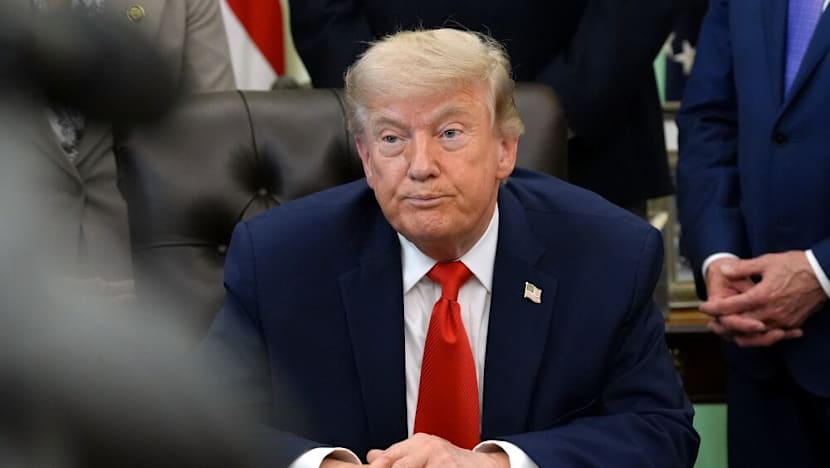
- Trump and Iranian Parliament Speaker Mohammad Bagher Ghalibaf signed a 14-point MoU on June 17 to halt a 109-day war that began February 28, mediated by Pakistan and Qatar.
- The framework lifts the US naval blockade on Iran in exchange for Tehran reopening the Strait of Hormuz; approximately 7,200 missiles were fired during the war, with nearly 80% targeting civilian infrastructure, according to Khalid al-Jaber of the Middle East Council for Global Affairs.
- Tit-for-tat attacks persist despite the MoU, with clashes on Friday and Saturday, US strikes on southern Iranian ports, and Iran targeting Kuwait and Bahrain — described by analyst Negar Mortazavi as 'a dangerous but familiar phase of post-war bargaining.'
- Unlike the 2025 Gaza and 2024 Lebanon ceasefires — marred by 3,465 Israeli violations in Gaza and 4,500 Lebanese deaths since the Lebanon deal — the US-Iran pact involves state actors with 'clear chains of command' and mutually catastrophic economic deterrents, per Mortazavi.
- Unlike the 2015 JCPOA, which Obama negotiated with moderate, Western-educated Iranian diplomats, this MoU was struck between Iran's hardline security establishment and a Republican White House — making it 'less polished, but potentially more durable,' according to Mortazavi.
- The US has dropped its regime-change demand and pivoted toward economic incentives; al-Jaber framed the outlook as 'pessoptimism' — a precarious blend of pessimism and optimism over the 60-day negotiating window.
Why it matters: The 60-day negotiating window carries material stakes: a renewed US-Iran war would again threaten the Strait of Hormuz and disrupt global energy markets, while the unconventional hardline-to-hardline structure of this deal — negotiated between Trump's team and Iran's security apparatus rather than reformist diplomats — makes it domestically harder to sabotage on both sides than the 2015 JCPOA ever was.
Ask SkimNews