US-Iran MoU: Fragile Pause, Not a Settlement — SkimNews

Get the Geopolitics newsletter
Daily geopolitics — wars, elections, sanctions, the diplomatic moves that move markets. Free.
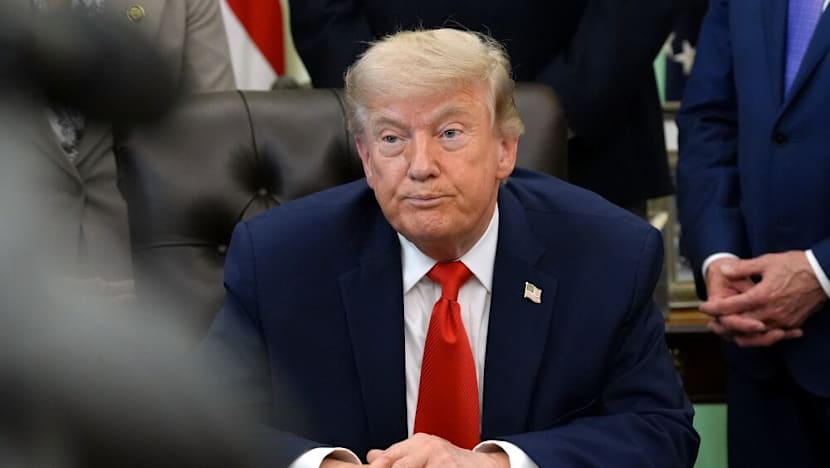
- The US-Iran MoU signed June 17 at the G7 summit reopened the Strait of Hormuz, eased sanctions, and launched a 60-day negotiating process — but Trump's renewed military threats and security concerns around Iranian negotiators have exposed the deal's fragility.
- The agreement is a pause in hostilities rather than an actual settlement, restoring pre-war conditions while leaving key disputes — missile capabilities, proxy networks, and long-term uranium enrichment limits — unresolved.
- Israel — not a party to the deal but deeply affected — remains capable of undermining any diplomatic progress through continued operations in Lebanon that contravene the MoU, with roughly $4 billion in annual US military support now entangled in growing strategic divergence from Washington.
- The conflict has cost the US $132 billion and counting, and Iran has emerged strategically strengthened: its regime remains intact despite sustained US and Israeli pressure, and it is negotiating rather than capitulating.
- US Vice President JD Vance told a White House briefing on June 19 that Trump is "the only head of state in the entire world who is sympathetic to the nation of Israel at this moment in time," criticizing Israeli cabinet members who denounced the MoU.
- Gulf states, having watched even America's overwhelming military superiority fail to deliver decisive political outcomes, may respond to ongoing uncertainty by deepening ties with China and Russia, the authors argue.
Why it matters: After $132 billion in costs, the MoU grants Iran economic relief and strategic breathing room while leaving core US objectives — dismantling Iran's nuclear program and curbing regional influence — unmet, risking a perception across the Gulf that sustained pressure can force even a superpower to negotiate.
Ask SkimNews