Khamenei Reshapes Iran's Military Command for Long War — SkimNews

Get the Geopolitics newsletter
Daily geopolitics — wars, elections, sanctions, the diplomatic moves that move markets. Free.
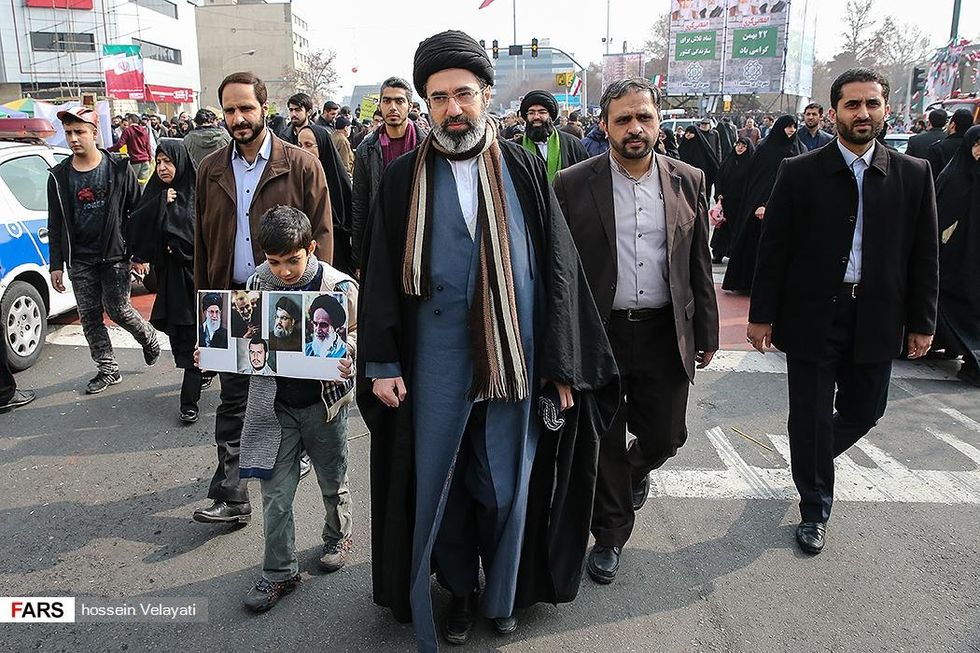
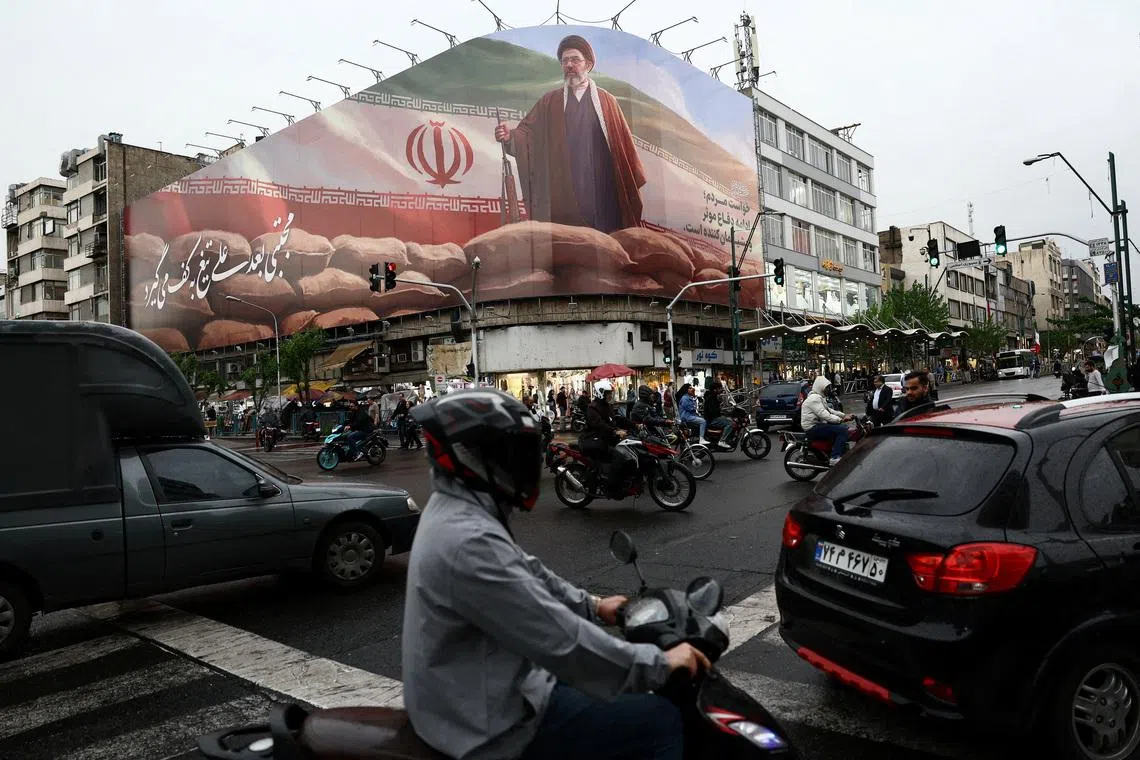
- Mojtaba Khamenei has made sweeping appointments to Iran's senior military and national security command, recreating the senior command structure necessitated by extraordinary attrition since wars beginning June 2025.
- Mohsen Rezaei was selected to lead the Supreme National Security Council — a former IRGC commander who served 16 years building the IRGC's ground, air, and naval forces, the Quds Force, and the Khatam al-Anbiya headquarters; he holds a doctorate in economics.
- Ahmad Vahidi was formally confirmed as IRGC commander and promoted to major general, with Khamenei instructing him to pursue 'maximum deterrence' and readiness for 'powerful offensive operations against the enemy.'
- Ali Abdollahi was named chief of the Armed Forces General Staff, tasked with integrating the Khatam al-Anbiya Central Headquarters into the General Staff to further centralize wartime command and coordination against 'conventional, modern, cognitive, and hybrid threats.'
- Ali Azmaei replaces the slain Alireza Tangsiri as IRGC navy commander, taking charge of Strait of Hormuz operations while Tehran negotiates with Oman over new shipping arrangements and refuses to restore the prewar order.
- Hossein Taeb — the controversial former head of the IRGC's intelligence arm — was returned to prominence as head of the Basij, tasked with strengthening its 'public intelligence network' and neighborhood-level organization.
- The appointments reflect a Tehran reassessment that post-2018 'strategic patience' signaled weakness; Iran now pairs diplomacy with a harder deterrence logic centered on preserving its ability to damage adversaries, including through Hormuz control and missile capabilities.
Why it matters: Rezaei's record — in 1988, he argued Iran should continue the Iran-Iraq war — points to a higher threshold for compromise in any future US negotiations, with Tehran demanding economic viability rather than sanctions relief and converting wartime Hormuz control into a self-directed leverage card to deter renewed coercion.
Ask SkimNews