Rare identical quadruplets born in Australia — SkimNews
Get the Health newsletter
Daily health & science — research, biotech, public health, the studies worth knowing. Free.
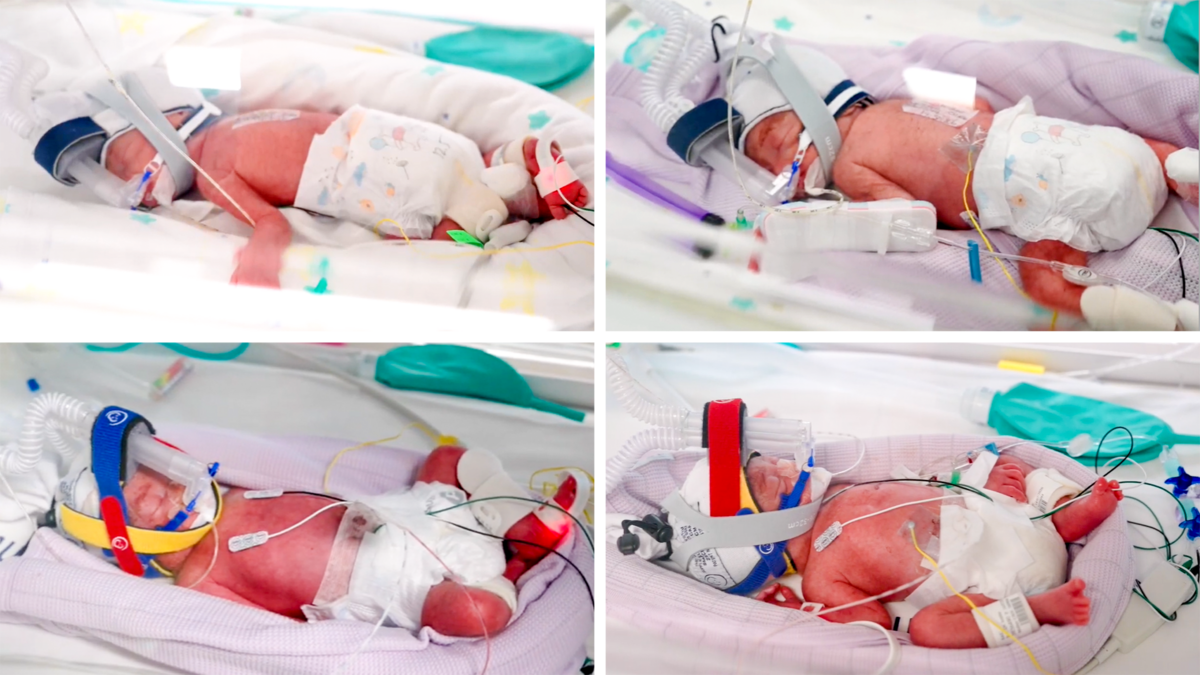
- Jenitar Na'amoana, 34, delivered monozygotic quadruplets — a single fertilised egg that split into four — via caesarean at 28 weeks and four days on 14 July at the Royal Brisbane and Women's Hospital.
- Dr. Alexa Bendall, the maternal foetal medicine specialist who cared for Na'amoana, estimated identical quadruplets occur at roughly one in every 15 million pregnancies and called the shared-placenta configuration 'unheard of.'
- Na'amoana was admitted as an inpatient at 25 weeks because the pregnancy was 'extremely high risk'; Bendall said reaching 28 weeks met the team's goal and that the mother 'dodged every complication.'
- The four girls were named Emily, Harriet, Catherine, and Alexa — the last after Dr. Bendall, who described the naming as 'a beautiful tribute.'
- The newborns will remain in the hospital's neonatal intensive care unit until they reach full term and are 'currently doing extremely well,' Bendall said.
- The family already had four children aged one to 10, and Na'amoana has raised over A$37,000 (£19,261) through an online fundraiser toward buying a van with at least 10 seats.
Why it matters: Naturally conceived identical quadruplets are already vanishingly rare, but sharing a single placenta adds a complication rarer still — Dr. Bendall said she had never seen it. The household jumps from four children to eight overnight, and the community-funded van campaign (past A$37,000) underscores the immediate logistical cost of quadruplets alongside four older siblings.
Ask SkimNews