Chester Zoo Calls Peak Cluster Pipeline 'Unacceptable' — SkimNews
SkimNews Take
Carbon pipeline routes meant to enable decarbonization now threaten the conservation sites meant to safeguard biodiversity, exposing a land-use tension between two nominally aligned environmental goals.
Get the Energy newsletter
Daily energy & climate — solar, EVs, oil, the policy fights and tech bets shaping the transition. Free.
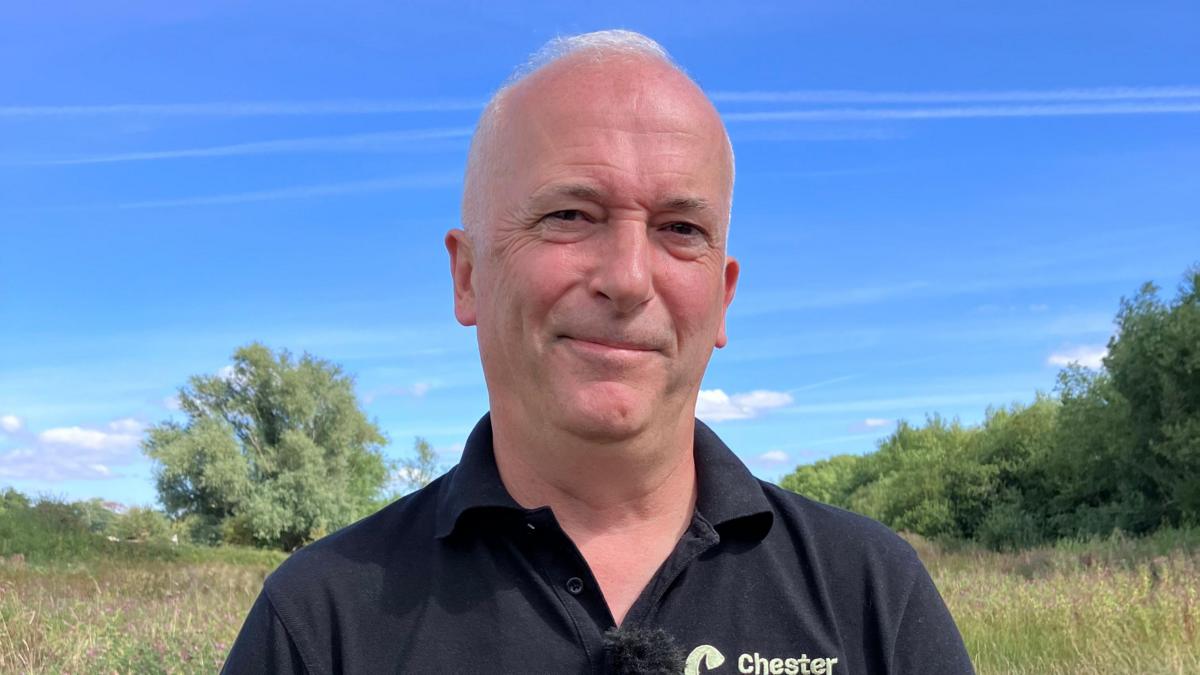
- Chester Zoo chief executive James Christon called Peak Cluster's proposed pipeline route "unacceptable," warning it would "rip through our fields and jeopardise environmentally sensitive habitats."
- The zoo holds 470 acres (about 190 hectares) of conservation land along the planned route, which would carry CO2 emissions from Derbyshire to the Wirral Coastline for storage under the Irish Sea off Morecambe.
- Christon said the pipeline threatens "irreplaceable wetland habitats that support wildlife and store carbon," arguing that "the decarbonising industry should not come at the expense of nature."
- Peak Cluster chief executive David Parkin pushed back, saying the company has remained in contact with the zoo since their May meeting and has been undertaking ecology surveys on its land.
- Parkin added that Peak Cluster has reviewed over 5,500 pieces of consultation feedback and carried out further engineering and environmental assessments to evaluate alternative route options.
- Christon said Chester Zoo first wrote to Peak Cluster in March and met with project bosses in May, but claims he has had no contact since, leading him to believe no route changes will be made.
Why it matters: The dispute highlights a growing tension in UK climate policy: carbon-capture infrastructure needed to meet net-zero targets can directly threaten the biodiversity it is meant to safeguard. Peak Cluster says 5,500 consultation responses are still being weighed and route options remain under review, meaning the final pipeline path is not yet locked in.
Ask SkimNews


