ASEAN can capture EU carbon tariff jobs
Get the Geopolitics newsletter
Daily geopolitics — wars, elections, sanctions, the diplomatic moves that move markets. Free.
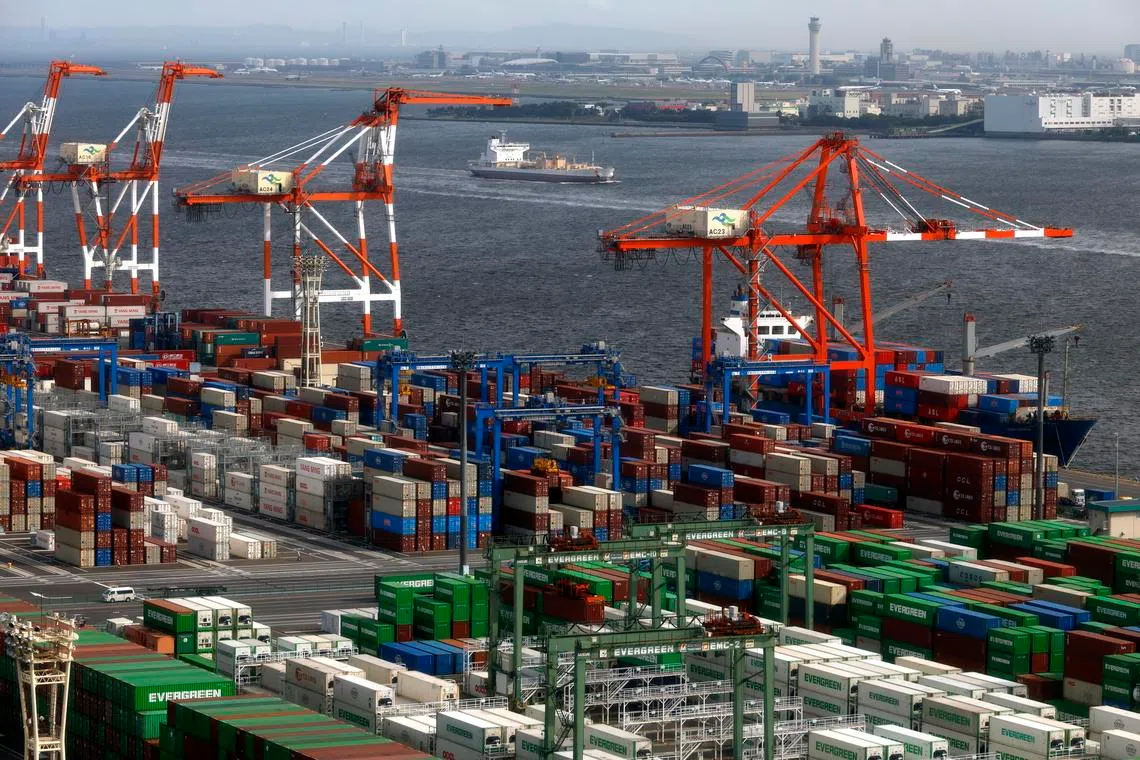
- EU Carbon Border Adjustment Mechanism took effect in January 2026, requiring importers of steel, aluminium, cement, fertilisers, and hydrogen from countries without equivalent carbon pricing to pay a carbon price on those imports.
- ASEAN, a region of more than 350 million workers, faces uneven exposure — Malaysia, Indonesia, and Vietnam rank among its largest exporters of iron, steel, and aluminium to the EU.
- Small and medium-sized enterprises are especially vulnerable because they often lack the financial resources and technical expertise to measure and report embedded emissions, risking a widening gap with multinational firms.
- The transition is generating new job categories — renewable energy engineers, carbon accounting specialists, and emissions monitoring experts — and ASEAN's abundant renewable resources and young workforce position it to attract investment if governments act now.
- Singapore has introduced a carbon tax, while Indonesia and Vietnam are developing emissions trading systems and Malaysia and Thailand are expanding carbon market initiatives, all strengthening the case for a coordinated regional response.
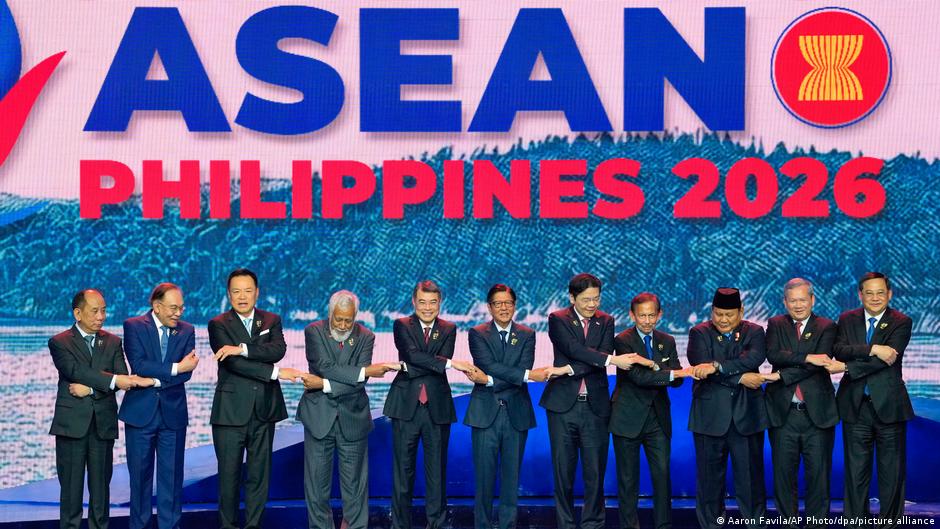
- The article argues ASEAN should harmonise carbon accounting standards, develop regional certification frameworks for green jobs, and expand regional financing for industrial decarbonisation rather than rely on fragmented national policies.
Why it matters: ASEAN governments face a concrete compliance deadline after the EU's Carbon Border Adjustment Mechanism took effect in January 2026, covering steel, aluminium, cement, fertilisers, and hydrogen imports. With 350 million workers and SMEs especially exposed, the source frames the choice as fragmented national responses versus coordinated regional green industrial policy.