Hormuz Closure Spurs ASEAN Coal Revival, Fuel Subsidies — SkimNews

Get the Geopolitics newsletter
Daily geopolitics — wars, elections, sanctions, the diplomatic moves that move markets. Free.
- Strait of Hormuz closure in March triggered ASEAN's biggest energy shock in a decade, raising the region's oil products import bill by an estimated $3.36 billion per month by late April.
- ASEAN governments deployed fiscal tools to cushion consumers — Indonesia controlled prices via state-owned Pertamina, Malaysia subsidized petrol and diesel at set quantities per person, Thailand used its Oil Fuel Fund, and Vietnam allowed flexible pricing with trimmed fuel taxes.
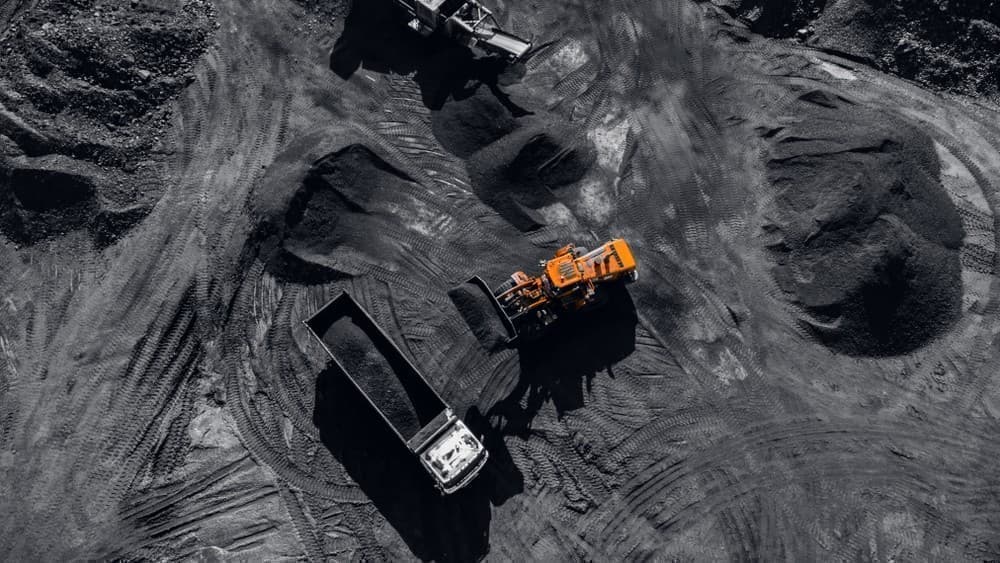
- Coal generation surged across the bloc during the crisis — Vietnam's coal-fired generation rose 44% month-on-month in March, Indonesia approved higher production quotas and restricted exports, Thailand brought two decommissioned Mae Moh units back online, and the Philippines declared a state of national energy emergency.
- Transition efforts continued alongside the fossil fuel push — Thailand overhauled its rooftop solar policy and extended EV incentives, Cambodia cut import taxes on EVs and solar devices, the Philippines became the second-largest destination for Chinese solar exports in Q1 2026, and Indonesia opened a 1.2 GW utility-scale solar tender.
- ASEAN's structural energy vulnerability is stark: transport draws nearly 90% of its energy from oil and gas, oil and gas supply about 31% of electricity, and 55% of crude oil imports originate in the Middle East — leaving up to 28% of final oil consumption exposed to supply disruptions.
- The ASEAN Power Grid, the bloc's most ambitious long-term response, could cut decarbonization costs by up to $800 billion but requires $27 billion in interconnectors and $300 billion in broader grid infrastructure by 2040, against just $2 billion invested in cross-border interconnectors over the past five decades.
Why it matters: ASEAN's 55% crude oil import dependence on the Middle East means a single chokepoint closure can reverse transition gains in weeks — Vietnam's coal generation jumped 44% in March alone. With the import bill up an estimated $3.36 billion monthly and just $2 billion invested in cross-border interconnectors over five decades, the $300 billion grid target by 2040 looks distant.
Ask SkimNews