ASEAN can turn EU carbon tariff into jobs
Get the Geopolitics newsletter
Daily geopolitics — wars, elections, sanctions, the diplomatic moves that move markets. Free.
- The EU CBAM took effect in January 2026, requiring importers of steel, aluminium, cement, fertilisers and hydrogen to pay a carbon price on goods from countries without equivalent carbon pricing regimes.
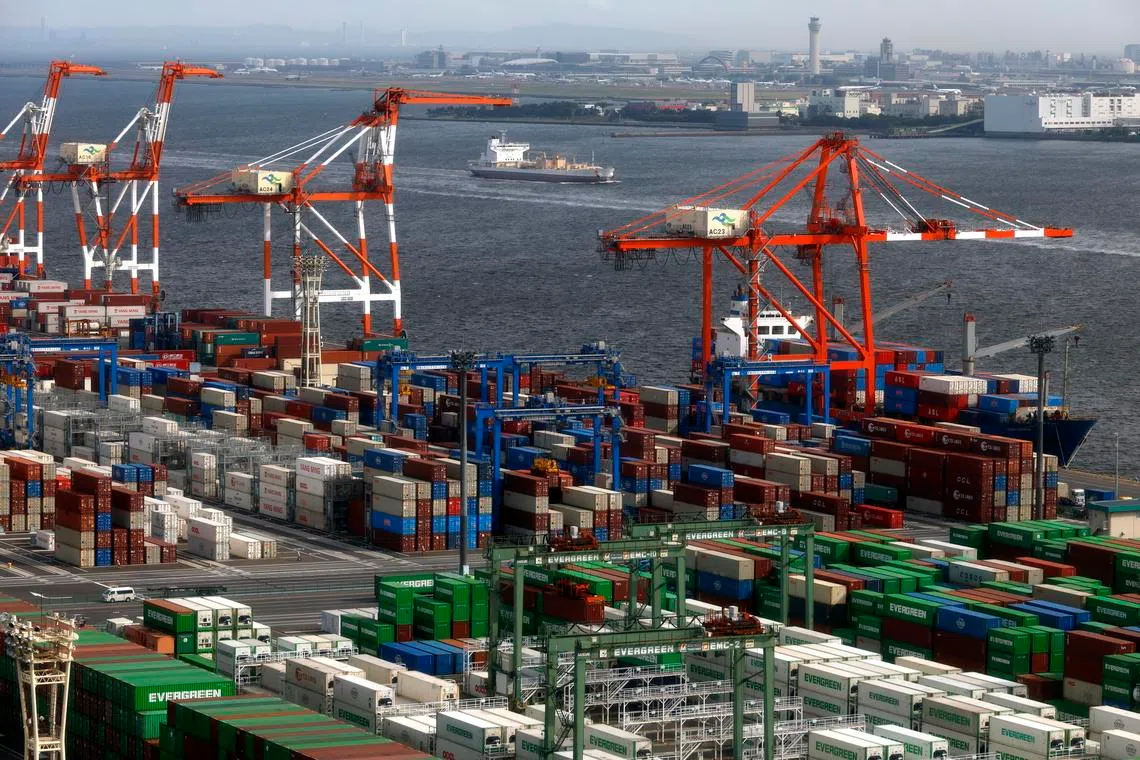
- Malaysia, Indonesia and Vietnam are among ASEAN's largest exporters of iron, steel and aluminium to the EU — sectors directly covered by CBAM and exposed to potential loss of market share.
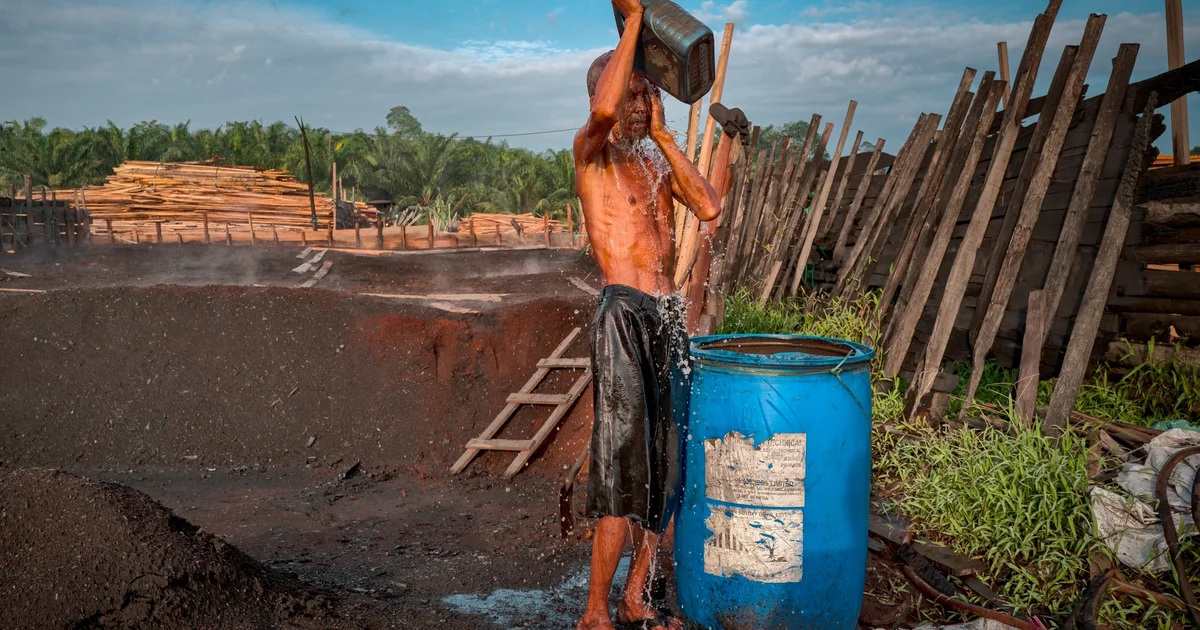
- ASEAN's 350 million workers face a workforce transition, with emerging demand for engineers in renewable energy, industrial electrification, carbon accounting, emissions monitoring and sustainable supply-chain management.
- SMEs are flagged as especially vulnerable, since many lack the financial resources and technical expertise to measure embedded carbon emissions and meet EU reporting requirements.
- Singapore has introduced a carbon tax, Indonesia and Vietnam are developing emissions trading systems, and Malaysia and Thailand are expanding carbon market initiatives — policies the author argues CBAM now strengthens the economic case for accelerating.
- The author recommends ASEAN harmonise carbon accounting standards, build regional certification frameworks for green jobs, and expand regional financing for industrial decarbonisation rather than respond through fragmented national policies.
- Melinda Martinus argues the EU has obligations too: if CBAM is meant to advance climate action rather than protect European industry, it should come with technical assistance, technology transfer and capacity-building for developing countries.
Why it matters: ASEAN's 350 million workers in steel, aluminium and downstream logistics face new compliance costs from CBAM starting January 2026, but multinationals are now weighing carbon intensity alongside labour costs — meaning countries that build cleaner energy systems and green-skilling pipelines will attract investment that carbon-heavy competitors lose.