West Midlands experts urge families to hunt rare fungi on autumn walks — SkimNews

Get the Health newsletter
Daily health & science — research, biotech, public health, the studies worth knowing. Free.
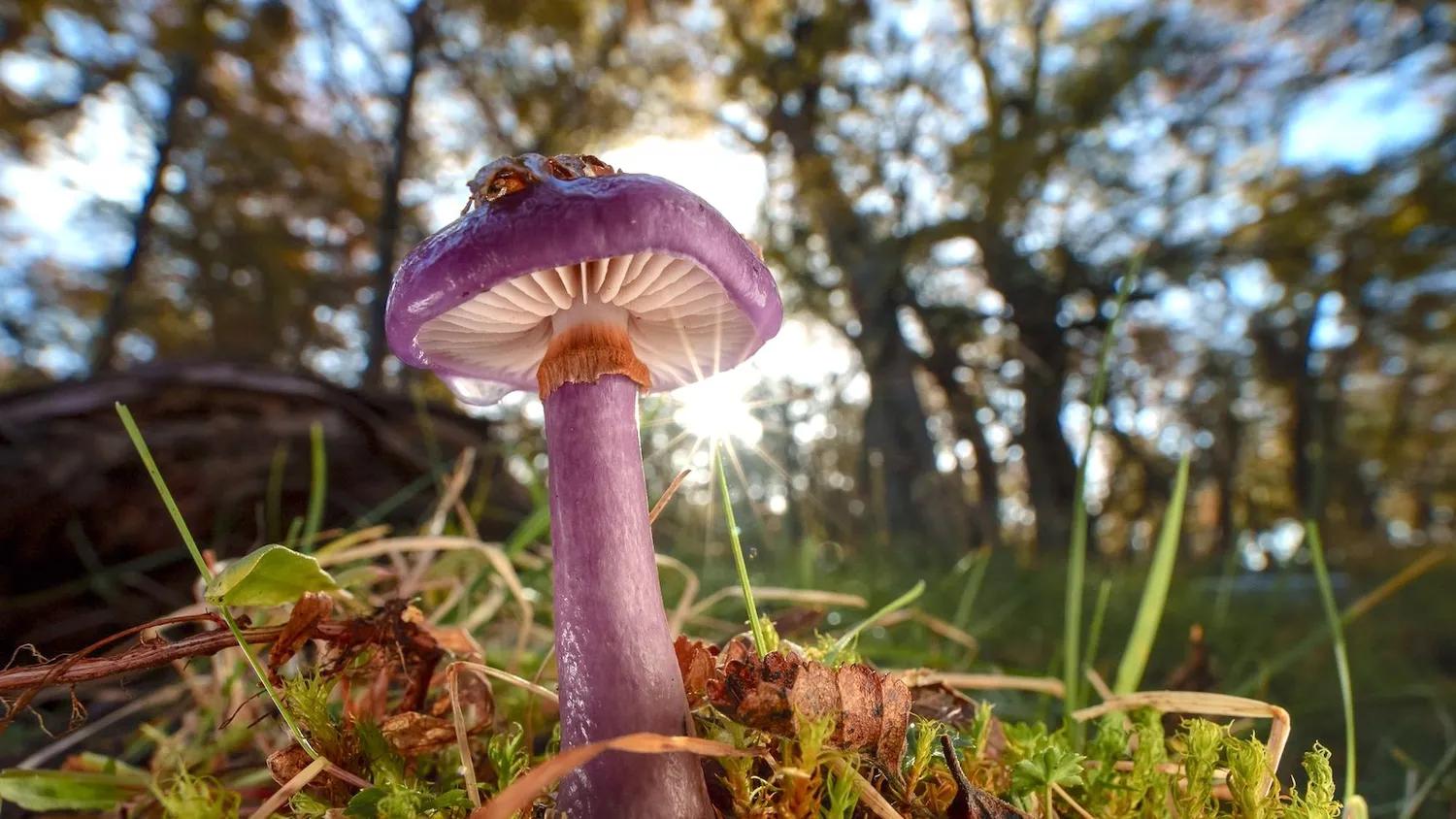
- James Benwell of the Birmingham and Black Country Wildlife Trust says fungi-spotting with his young son turns ordinary autumn walks into adventures, urging families to look closely at leaf litter, rotting wood and tree bases.
- Lucas Large, chairman of the West Midlands Fungus Group, says the UK's 15,000-plus fungi species are drawing growing interest, with newcomers regularly joining forays and recording finds.
- Red cage fungus was spotted in Birmingham's Cannon Hill Park last year — only the second recorded sighting in Birmingham and the Black Country, and one of just hundreds of UK records ever for the species.
- Large said the red cage fungus "smells horrible" because it attracts flies that help spread its spores, and identified the coral tooth fungus as the rarest species he has encountered in the region.
- Fly agaric, the red-and-white-spotted "mushroom of fairy tales" linked to Alice in Wonderland and Super Mario Brothers, is among the species highlighted — yet "there are still adults who've never seen it," Benwell said.
- Experts warn against eating wild mushrooms, noting the death cap is responsible for most fungus-related fatalities in the UK; the family search rule is "no licking, no picking, no kicking."
Why it matters: Urban parks like Cannon Hill are turning up genuinely rare species — the red cage fungus has only hundreds of UK records ever — while the Woodland Trust notes the death cap causes most UK fungus-related fatalities. For families heading outdoors this autumn, the message is concrete: photograph, don't pick.
Ask SkimNews