West Midlands families urged to spot rare autumn fungi — SkimNews

Get the Culture newsletter
Daily culture — film, music, books, the trends and ideas worth your attention. Free.
- James Benwell of the Birmingham and Black Country Wildlife Trust says fungi spotting transforms ordinary walks into adventures, and he explores with his young son following a rule: "No licking, no picking, no kicking."
- Fungi enthusiasts across the West Midlands have recorded bird's nest fungi in Birmingham city centre, fly agaric mushrooms under woodland birch, and a rare red cage fungus in Cannon Hill Park — only the second recorded sighting in Birmingham and the Black Country.
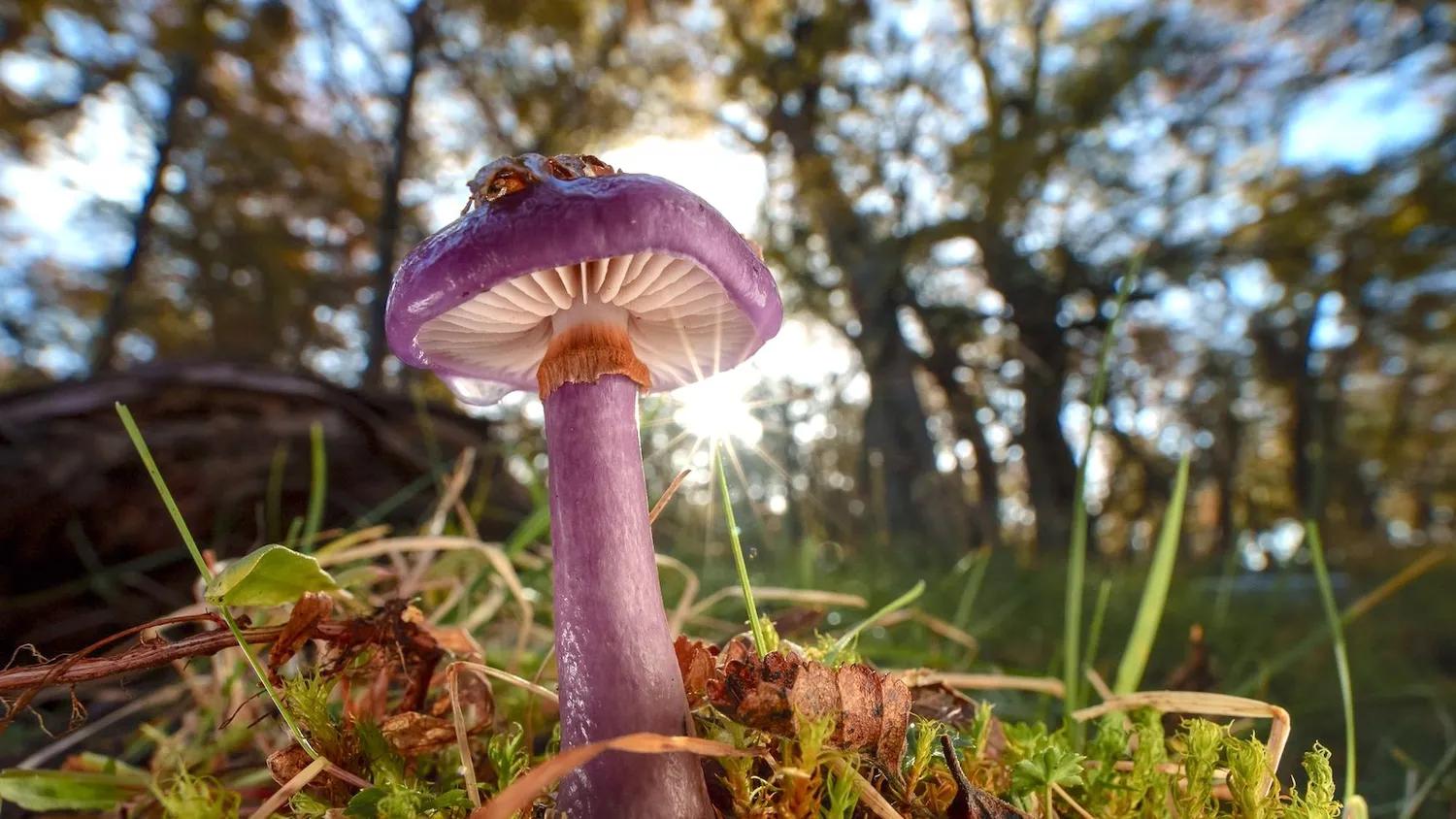
- The UK hosts more than 15,000 species of fungi, and experts including West Midlands Fungus Group chairman Lucas Large are urging newcomers to photograph and record finds rather than pick them.
- The red cage fungus spotted in Cannon Hill Park last year has only hundreds of UK-wide records ever and "smells horrible," attracting flies that help spread its spores, according to Large.
- Large said the rarest species he has seen in the region was the coral tooth fungus, which formed "an enormous kind of white, coraloid fruiting body" after more than a decade of study.
- Experts warn against eating wild mushrooms: the death cap is responsible for most fungus-related fatalities in the UK, and Large said there is "no foolproof shortcut" to determining whether a mushroom is poisonous.
Why it matters: With the UK home to more than 15,000 fungi species — including the death cap responsible for most fungus-related fatalities — the Birmingham and Black Country Wildlife Trust and Woodland Trust are pushing a look-but-don't-pick culture, channelling rising public interest toward citizen science rather than foraging risks.
Ask SkimNews