Trump faces tougher China policy after Democrat win — SkimNews

Get the Geopolitics newsletter
Daily geopolitics — wars, elections, sanctions, the diplomatic moves that move markets. Free.
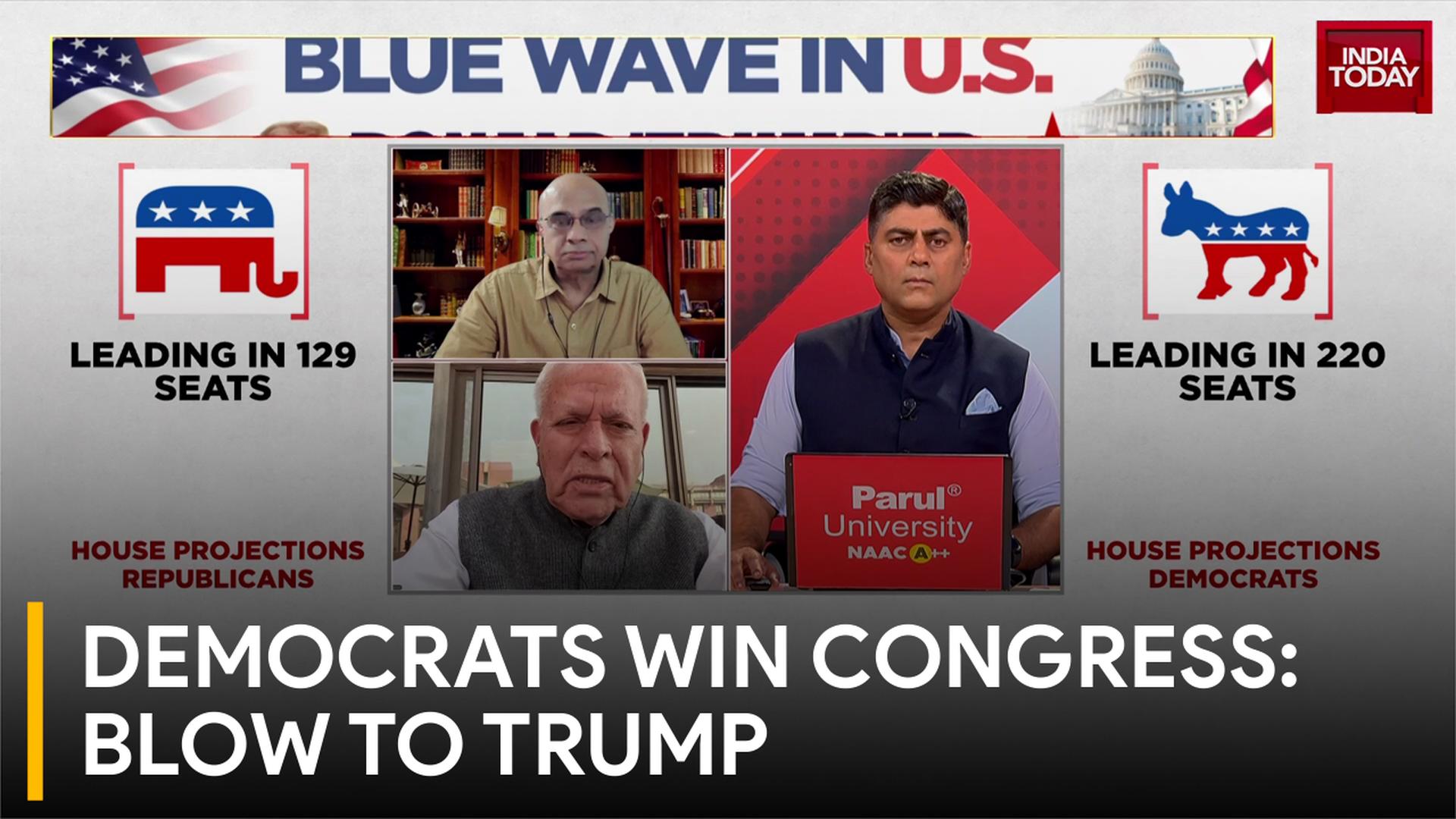
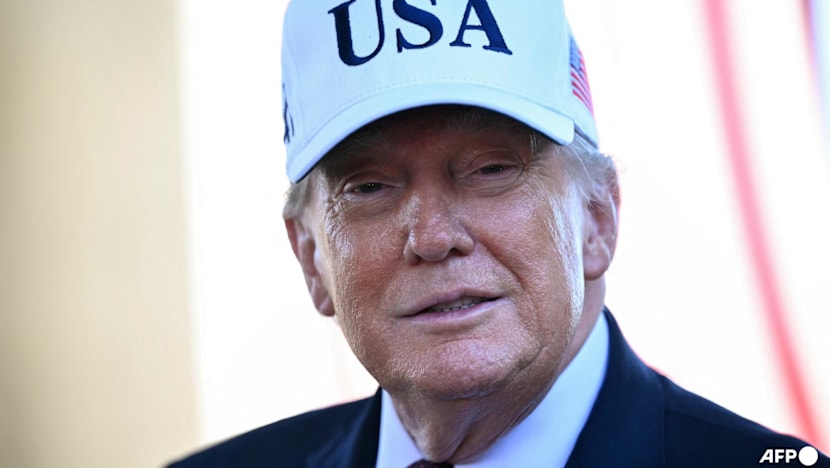
- Democrats seized control of both the Senate and House in the November 3 midterms, leaving Trump to face a hostile Congress until January 2029; JD Vance blamed the defeat on the war with Iran, which pushed up oil prices, and Trump agreed with that assessment.
- Chinese commentators said the Democratic win will not soften Washington: containing China is now a bipartisan consensus, and U.S. technology export controls and investment curbs already written into law will stay and may tighten. Jiang Tao, a Guizhou-based columnist, said Republicans favor unilateral pressure while Democrats prefer alliances — "their goal is the same."
- MATCH Act, the Multilateral Alignment of Technology Controls on Hardware Act introduced in April with bipartisan support and still awaiting a floor vote, would force U.S. allies to align their export controls and target Chinese chipmakers such as Huawei and SMIC; one commentator said the technology war is shifting from presidential impulses to permanent law.
- The $14 billion Taiwan arms sale, approved by Congress in January and including air-defense missiles, remains on hold after the White House ordered agencies not to move it forward so Trump could open trade talks with Beijing; Trump later described arms sales to Taiwan as a negotiating chip, and the package cannot proceed until he formally sends it to Congress.
- The U.S.-China trade truce, due to expire November 10, was extended by two months to January 10, 2027, after Beijing increased critical mineral supplies and agreed to buy 25 million tons of U.S. soybeans; a full-blown trade war in April and May 2025 had been de-escalated with limits on tariffs and more sales of previous-generation GPUs to China.
- The Trump administration scrapped the Biden administration's January 2025 AI Diffusion Rule in May 2025, letting Southeast Asian data centers rent computing power to Chinese firms, and later approved sales of Nvidia's H20 and H200 chips to China — a loosening that contrasts with the MATCH Act still waiting for a floor vote.
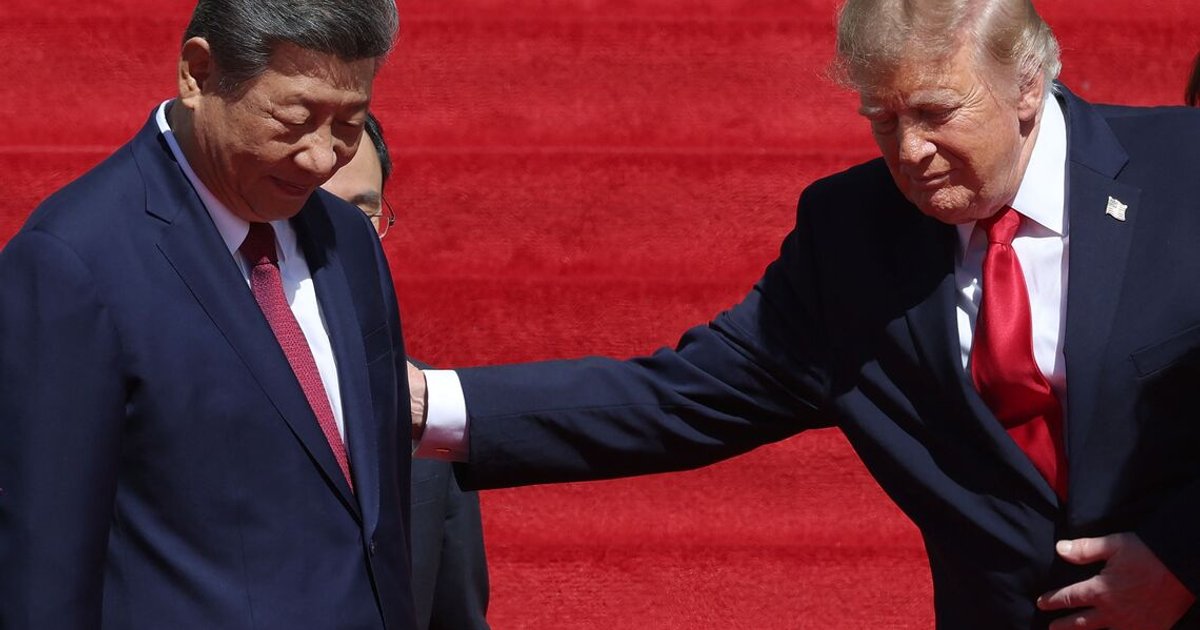
- Chen Liang-chih, an associate research fellow at Taiwan's INDSR, said Beijing would welcome Trump keeping his China policy unchanged, but what China cares about most is whether progress from past summits and Trump-Xi meetings is sustained into the APEC summit in Shenzhen on November 18-19, where Trump is expected to meet Xi Jinping; the Kremlin said in September it had discussed a trilateral meeting with Putin, who will also attend.
Why it matters: Beijing's trade truce runs only to January 10, 2027, but the durable constraints are legislative: the $14 billion Taiwan arms sale stays frozen until Trump forwards it, and the MATCH Act would bind allies to U.S. chip controls. Democrats don't ease the squeeze; they reorganize it around coalitions and statutes instead of presidential impulses.
Ask SkimNews