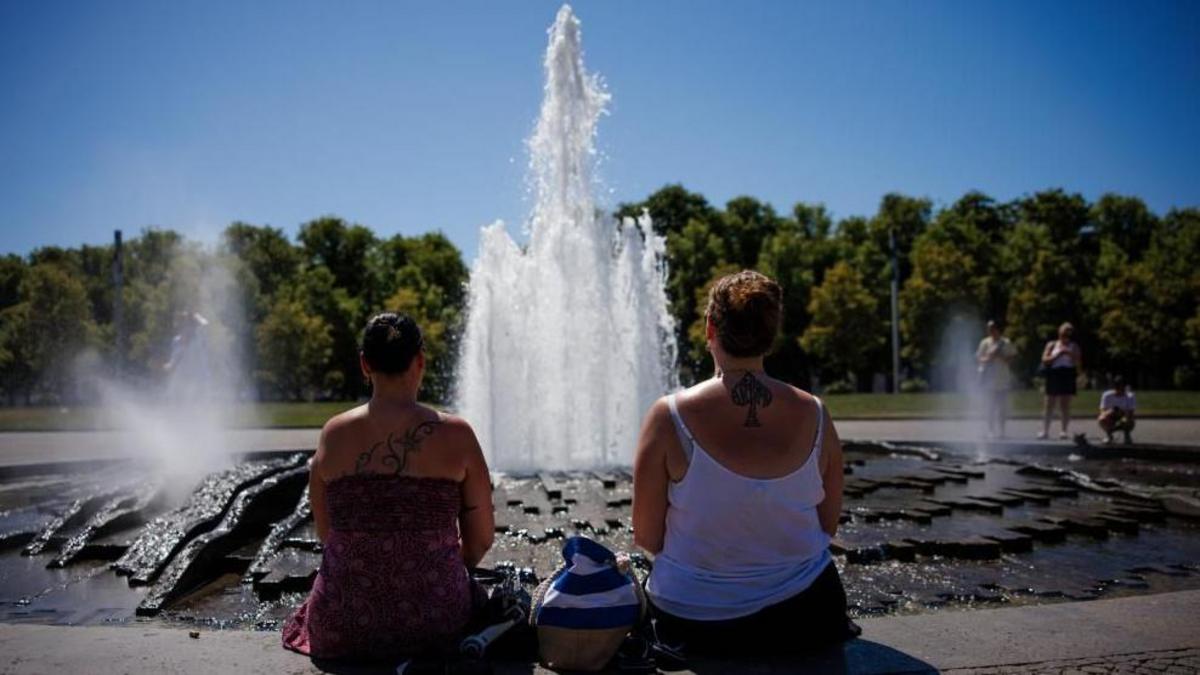
Europe's heatwave linked to 1,300 deaths, WHO says, as Germany hits record 41.7C — SkimNews

SkimNews Take
France alone accounting for roughly 1,000 of the WHO's 1,300 deaths in just four days shows heat mortality arrives in concentrated surges — and as the wave continues east, the final count across affected countries will substantially exceed current estimates.
Get the Energy newsletter
Daily energy & climate — solar, EVs, oil, the policy fights and tech bets shaping the transition. Free.
- WHO chief Tedros Adhanom Ghebreyesus said more than 1,300 excess deaths had been linked to high temperatures in Europe since 21 June, calling heat stress the "silent killer" and warning European homes, workplaces and schools "were not built for these temperatures."
- France's national health ministry reported around 1,000 excess deaths since Wednesday, including a 40% rise in people dying at home, with most of the extra fatalities among those aged 65 and over.
- Germany recorded its hottest-ever day for a third consecutive day, hitting 41.7C in Coschen in eastern Brandenburg; Poland broke its all-time record with 40.5C in Slubice, and the Czech Republic logged 41.1C at Doksany.
- At least 74 people drowned in France since the heatwave began, Interior Minister Laurent Nuñez said, with most deaths occurring in "unsupervised bodies of water such as rivers, lakes and ponds."
- Dutch festival Defqon.1 was cancelled on Thursday after an unprecedented code red heat warning, while Paris banned takeaway alcohol in public and scrapped its pride march to relieve stretched emergency services.
- The extreme June heat has been blamed on a "heat dome" weather pattern, and Tedros said Europe is "the fastest-warming continent on Earth, heating at twice the global average."
Why it matters: France alone logged ~1,000 excess deaths in roughly four days plus 74 drownings during the same event, and the WHO explicitly tied the toll to infrastructure that "was not built for these temperatures." With Tedros saying once-in-a-generation heatwaves now occur almost yearly, governments face concrete pressure to fund the cooling systems and heat health action plans he demanded.
Ask SkimNews