France Heatwave Deaths Jumped 29% in One Week — SkimNews

Get the Energy newsletter
Daily energy & climate — solar, EVs, oil, the policy fights and tech bets shaping the transition. Free.
- Public Health France reported a 29.1% surge in deaths during the week of 22-28 June, corresponding to 2,025 additional deaths compared with the prior week, and said mortality "will rise further" because the count remains incomplete.
- The new tally doubled the authority's preliminary estimate of at least 1,000 excess deaths given just days earlier; Paris public hospital director Nicolas Revel said the final toll is "probably" higher than a 2024 heat episode that killed 5,700.
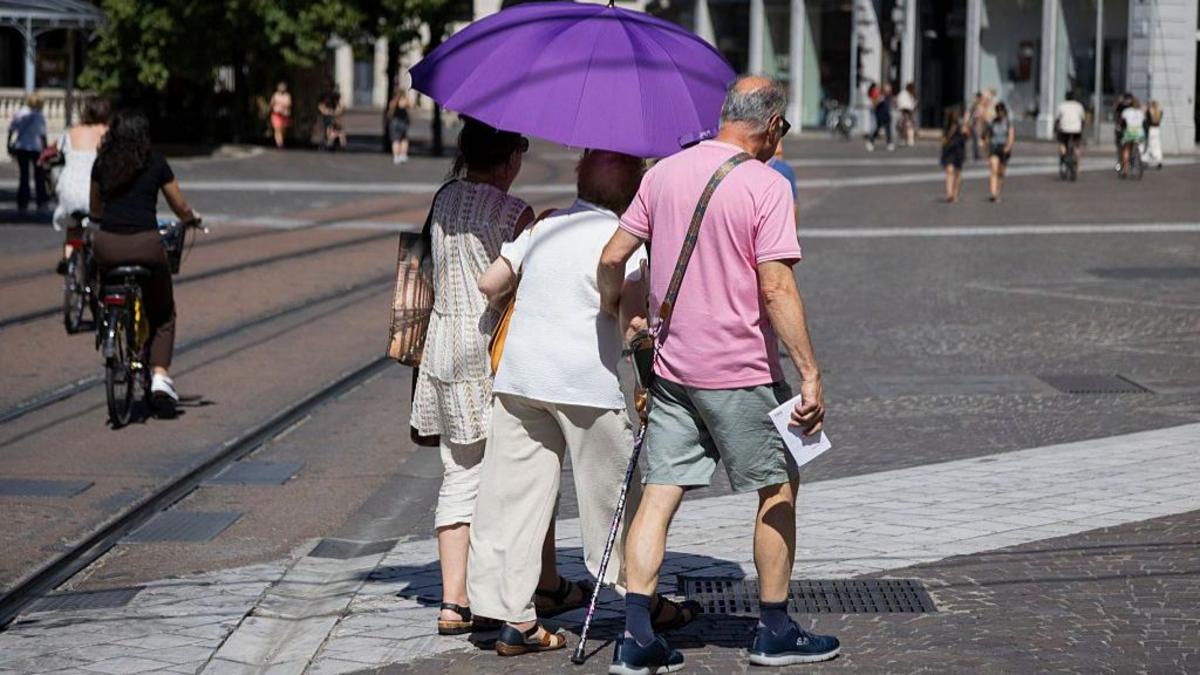
- Deaths recorded at home nearly doubled within a single week, and Paris was the worst-affected region with fatalities rising 62% week-on-week; over-65s took the largest share, though the authority flagged a "clear rise" among 45- to 64-year-olds.
- Belgium recorded roughly 1,200 excess deaths between 18 and 29 June — 530 of them among people aged 85 or older — while the Netherlands reported about 480 excess deaths, again concentrated among the elderly.
- Italy's Veneto region declared a state of emergency as the Po River Basin Authority called waterways "critical," with Lake Maggiore at just 48% capacity and dry stretches of the Po riverbed exposed.
- Switzerland's Rhône Glacier registered a Glacier Loss Day on 29 June, melting decades- or centuries-old snow fast enough to fill an Olympic-size swimming pool every six seconds for two weeks, per glacier monitor Matthias Huss.
- World Weather Attribution climatologists said the June temperatures would have been "virtually impossible" without climate change, as all-time records fell across Germany, Poland, Slovakia, Czechia and Hungary.
Why it matters: The 29.1% weekly spike — concentrated among over-65s and people dying alone at home — exposes how unprepared European housing and elder-care systems remain for 35°C-plus exposure affecting two-thirds of Europeans. With the 2024 heat episode already at 5,700 dead and Public Health France explicitly flagging this week's toll as likely higher, indoor cooling and home-based heat response are now concrete policy gaps rather than abstract climate concerns.
Ask SkimNews