Indonesia on track to launch B50 biodiesel programme on July 1, minister says — SkimNews
Get the Energy newsletter
Daily energy & climate — solar, EVs, oil, the policy fights and tech bets shaping the transition. Free.
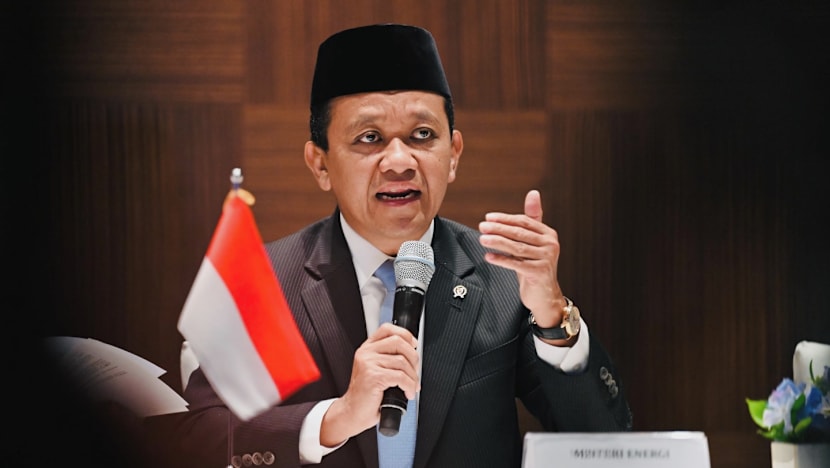
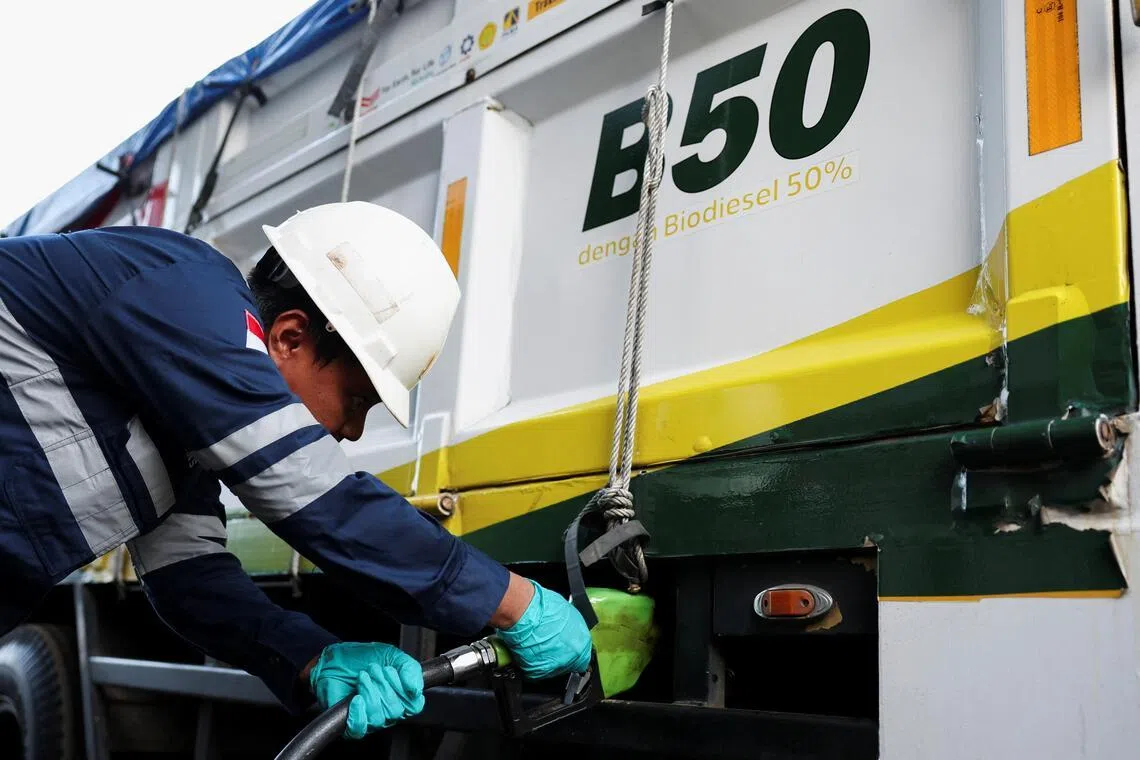
- Bahlil Lahadalia said Indonesia's B50 biodiesel programme — raising the palm oil blend from 40% to 50% — will launch on July 1, 2026, citing "encouraging" results from Energy Ministry fuel tests.
- Indonesia revived the B50 push in March in response to oil supply disruptions triggered by US and Israeli attacks on Iran; the 2026 schedule calls for B40 in the first half and B50 from July through December.
- The 2026 biodiesel mandate is estimated to save Indonesia around 157.28 trillion rupiah (S$11.1 billion) in import costs, compared with 139.8 trillion rupiah in savings if B40 had been maintained all year.
- Eniya Listiani Dewi, director-general of renewable energy, said the biodiesel subsidy for 2026 will fall to 32 trillion rupiah from a previously budgeted 47 trillion rupiah, after crude price surges lowered the palm-to-gasoil price gap.
- Indonesia funds its biodiesel subsidy through a palm oil export levy managed by plantation fund BPDP, which collected 17.4 trillion rupiah (64% of its 26.84 trillion rupiah full-year target) from January through May.
- Palm-based biodiesel demand for 2026 is projected to rise to 17.6 million kilolitres to meet the B50 mandate in the second half, up from the earlier 15.65 million kilolitre allocation.
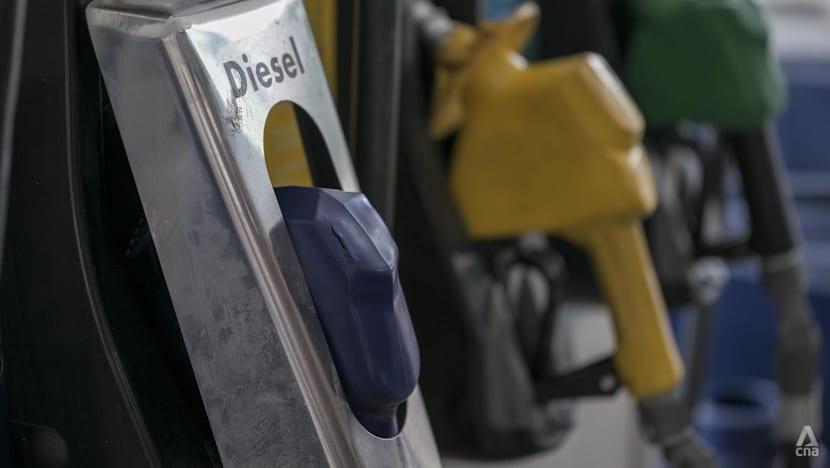
Why it matters: Indonesia, the world's top palm oil producer, is using the B50 mandate to cut diesel imports — particularly cetane 48 gasoil — and is now projecting 157.28 trillion rupiah in annual savings versus B40. The lower-than-budgeted 32 trillion rupiah subsidy bill, driven by elevated crude prices narrowing the palm-to-gasool spread, is what made the previously shelved B50 plan financially viable again.
Ask SkimNews