‘Do you have to be dead?’: US coalminers plead for benefits as black-lung disease cases surge — SkimNews

Get the Health newsletter
Daily health & science — research, biotech, public health, the studies worth knowing. Free.
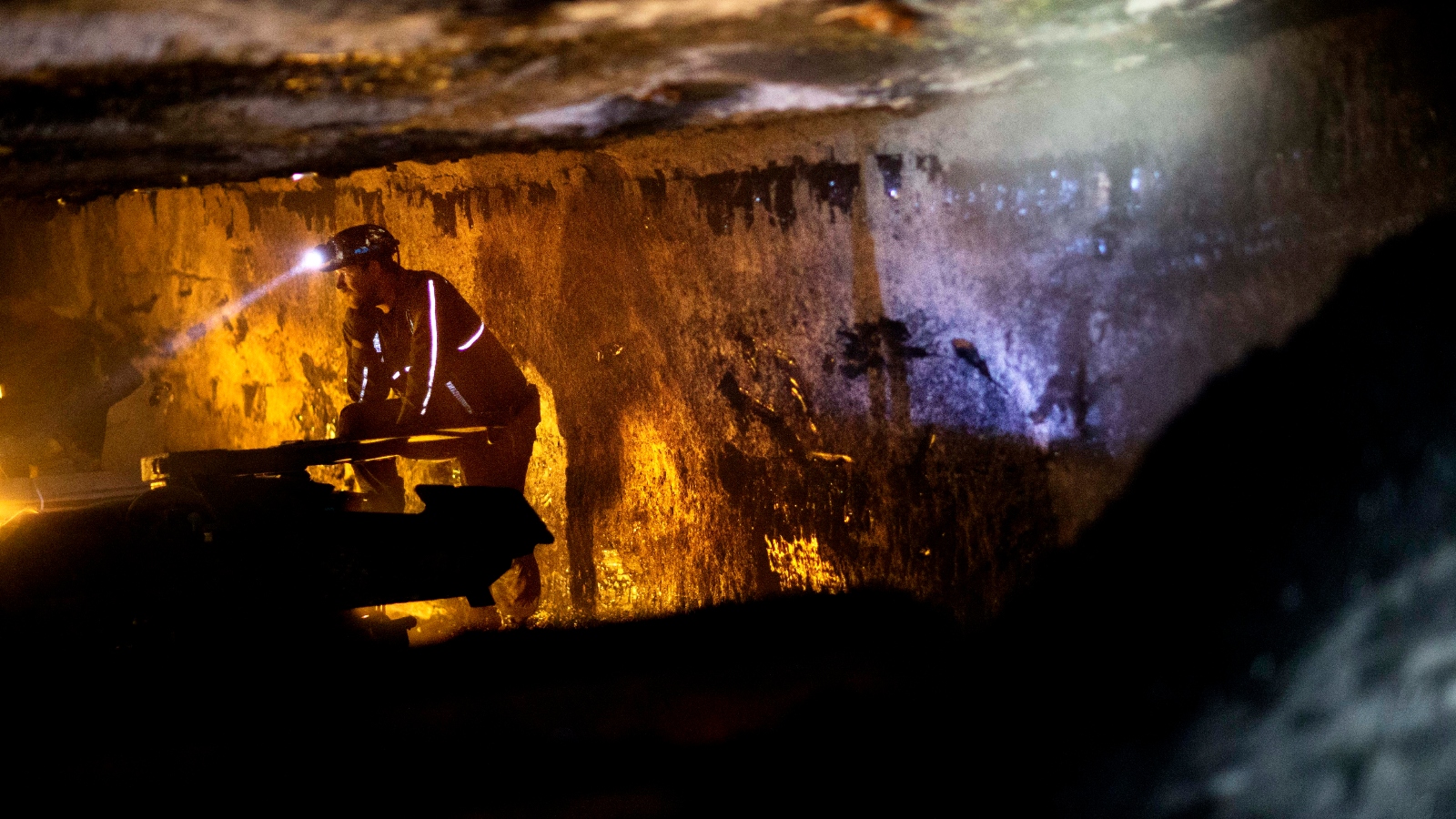
- Josh Armes, a 74-year-old retired coal miner from Grundy, Virginia, has spent 12 years fighting to regain federal black-lung benefits after a coal operator appealed his approved claim in 2014, all while relying on an oxygen tank and albuterol inhaler to breathe.
- Black-lung disease now affects 32.5% of veteran underground coalminers in central Appalachia—the highest rate since 1978—and killed more than 1,700 US coal miners between 2020 and 2023, according to research published in August in the American Journal of Respiratory and Critical Care Medicine.
- A May GAO report found that coal operators disputed 40% of approved black-lung claims between 2013 and 2024, with appealed claims taking a median of three years or more; 390 beneficiaries had their approved claims denied on appeal and were forced to repay benefits they had already received.
- MSHA has 'indefinitely delayed' enforcing a federal silica dust rule that mine-safety advocates link to the surge in cases, after requesting an abeyance on related court action; the rule passed in April 2024 but had its funding blocked by congressional Republicans in June 2024.
- Mark Warner, John Hickenlooper, Tim Kaine, and John Fetterman requested the 2023 GAO report and have introduced legislation to reform the black-lung benefits system, while the United Mine Workers of America pushes to unfreeze the silica rule.
Why it matters: The convergence of surging disease, a backlogged appeals process, and shelved prevention policy means thousands of sick miners are stuck without compensation—40% of approved claims are now appealed, 390 beneficiaries were forced to repay benefits after losing on appeal, and federal regulators have indefinitely paused the silica rule that experts link to the spike.
Ask SkimNews