Industry Lawsuits Stall Silica Rule as Deaths Mount — SkimNews

Get the Health newsletter
Daily health & science — research, biotech, public health, the studies worth knowing. Free.
- The 2024 MSHA silica dust rule, which cut the permissible exposure limit from 100 to 50 micrograms per cubic meter per eight-hour shift, was stayed by the eighth circuit court of appeals after industry groups petitioned to overturn it; MSHA notified the court it will reconsider portions of the rule the industry challenged.
- The National Stone, Sand & Gravel Association (NSSGA) led the legal challenge while the American Exploration & Mining Association joined the petition, arguing the rule's sampling and medical surveillance requirements were "not technically or economically feasible" and would "actually undermine miner safety."
- A NIOSH study published last month found one in three coalminers in central Appalachia (Kentucky, Virginia, West Virginia) now has black lung disease, while a New England Journal of Medicine study documented nearly 600 silicosis cases among California countertop fabrication workers — including 65 lung transplants and 31 deaths.
- Congressman Darrell Issa's subcommittee held a January hearing framed around "the troubling rise in abusive litigation against the US stone slab industry" rather than worker health; Issa is among 16 co-sponsors of a proposed bill that would ban lawsuits against manufacturers or sellers of certain stone slab products.
- California's OSHA began rulemaking in May to prohibit fabrication and installation of artificial stone products containing more than 1% crystalline silica; distributor Consentino opposed it, calling the proposed rule "unnecessary" and "not feasible" despite engineered stone slabs containing up to 90% silica.
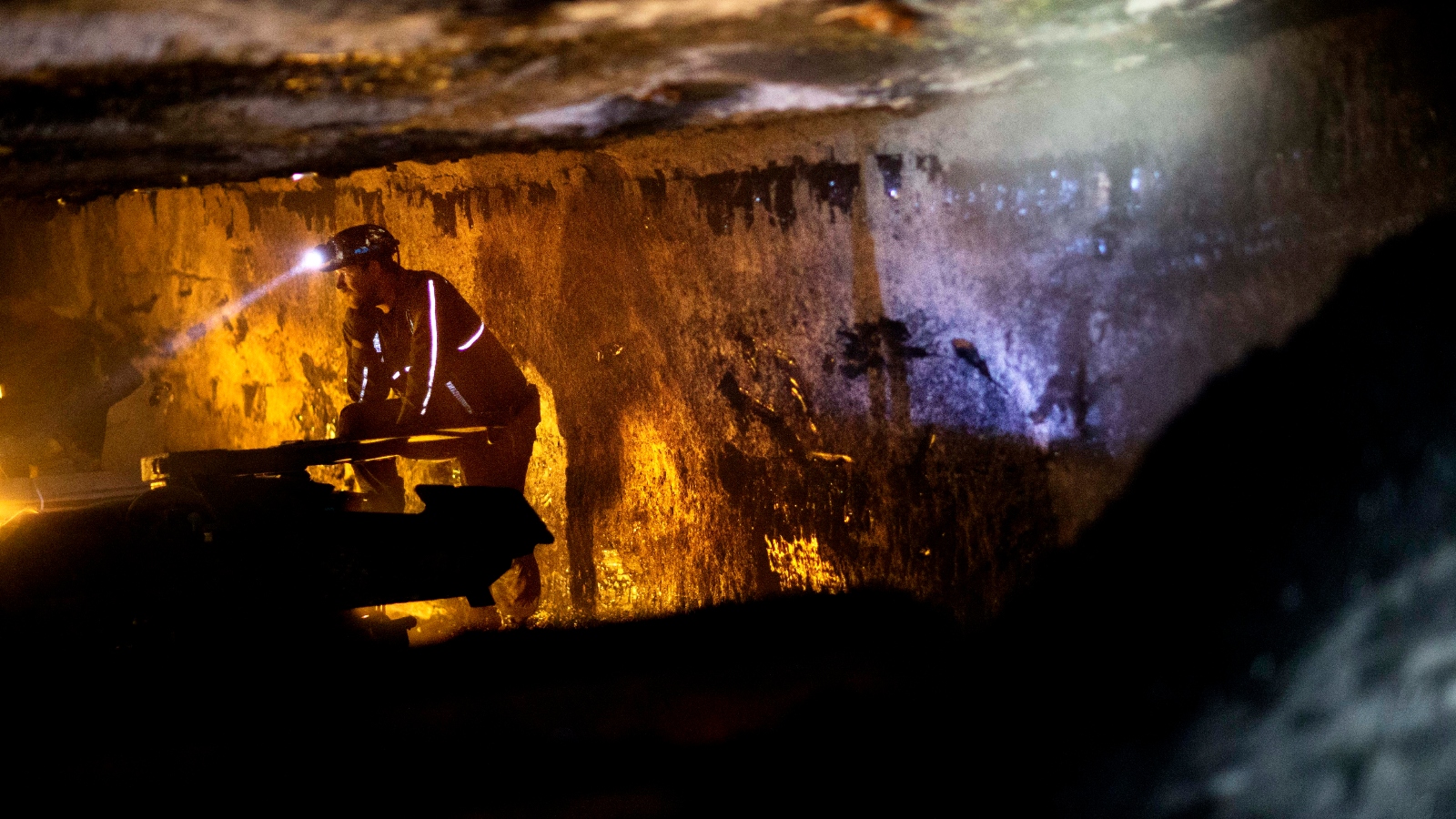
- Rebecca Shelton of the Appalachian Citizens' Law Center reviewed MSHA samples from January to June of this year and found 17% of operations sampled had silica dust concentrations exceeding the delayed rule's limit, with most of the highest-concentration mines located in central Appalachia.
- Coalminer John Robinson was diagnosed with black lung at 47, part of a two-decade trend of younger diagnoses in central Appalachia — even though NIOSH first recommended a silica dust exposure rule for miners in 1995, more than 30 years ago.
Why it matters: The combined regulatory delays leave tens of thousands of miners and countertop workers exposed to a fully preventable fatal disease: 17% of recently sampled mining operations already exceed the new exposure limit and one in three central Appalachian coalminers already has black lung. Congress is simultaneously advancing a bill to shield manufacturers from sick workers' lawsuits rather than strengthening protections — meaning industry's legal strategy is winning on both the rulemaking and liability fronts while workers continue dying from a disease first flagged by federal scientists three decades ago.
Ask SkimNews