States Block Community Air Monitors as Federal Network Halves — SkimNews
Get the Energy newsletter
Daily energy & climate — solar, EVs, oil, the policy fights and tech bets shaping the transition. Free.
- Federal air monitors have fallen by nearly half over 20 years with grants down more than 35% adjusted for inflation, while the Trump administration has twice attempted to eliminate the funding entirely.
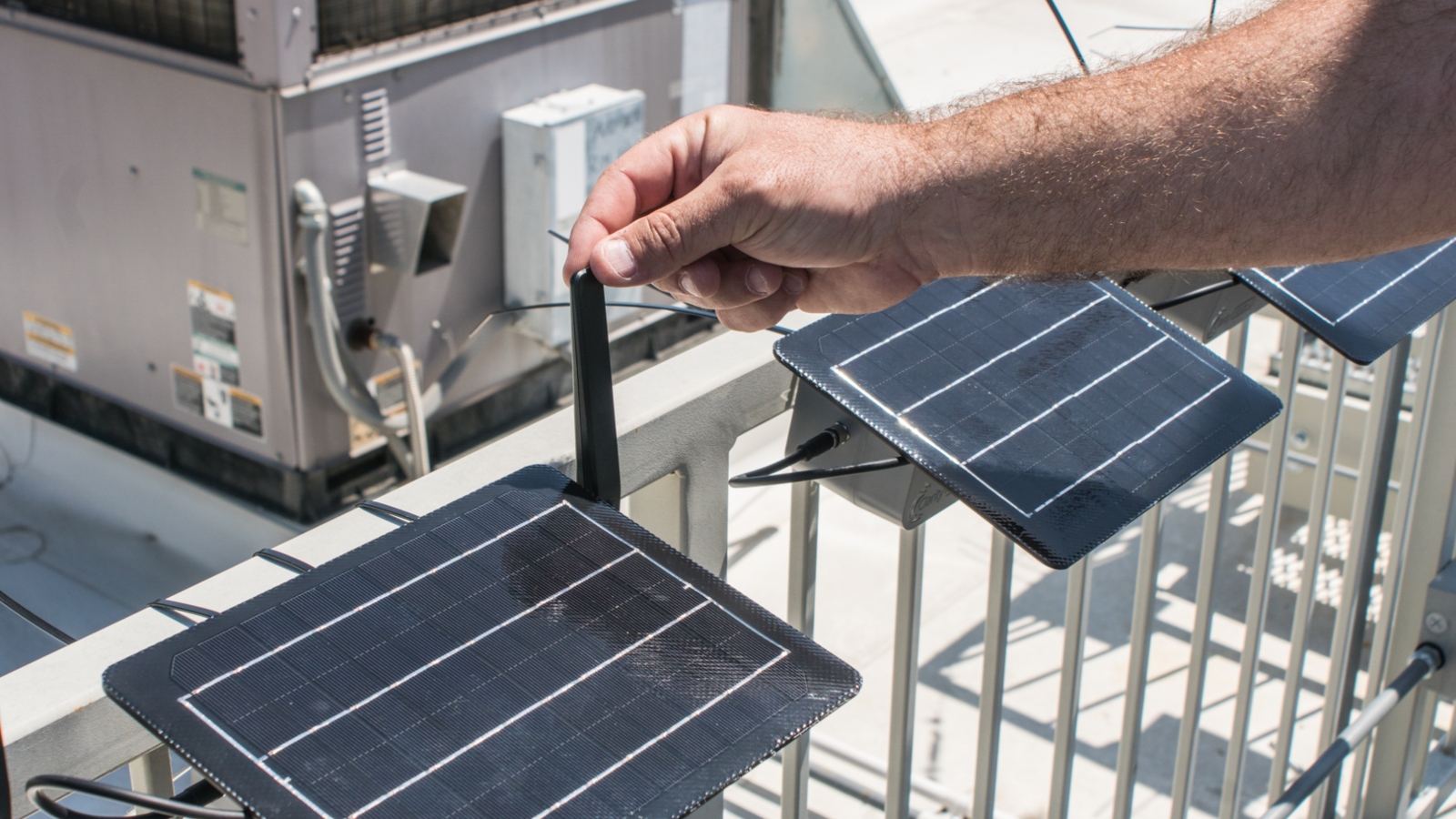
- Louisiana, Ohio, and Kentucky have passed similar laws since 2024 — backed by chemical and manufacturing trade groups — barring regulators from using community-collected air data in enforcement unless it meets EPA-approved equipment standards.
- For 71 of 100 major industrial polluters examined across those four states, the top chemical each facility releases isn't measured by any government monitor, and a 2025 Penn State study found nearly 6 in 10 U.S. counties have no public air monitor at all.
- The American Chemistry Council spent more than $22 million lobbying in 2024 and pushed the state bills, while EPA has granted more than 60 petrochemical facilities exemptions from Biden-era rules designed to cut certain toxic emissions by nearly 80%.
- The Louisiana Environmental Action Network had a $500,000 Inflation Reduction Act grant canceled by the Trump administration after installing monitors in only 4 of 27 targeted pollution hot spots.
- When West Virginia lawmakers drafted an accuracy-focused version of the bill, a Chemours official wrote internally that it "essentially codifies what we are trying to prevent."
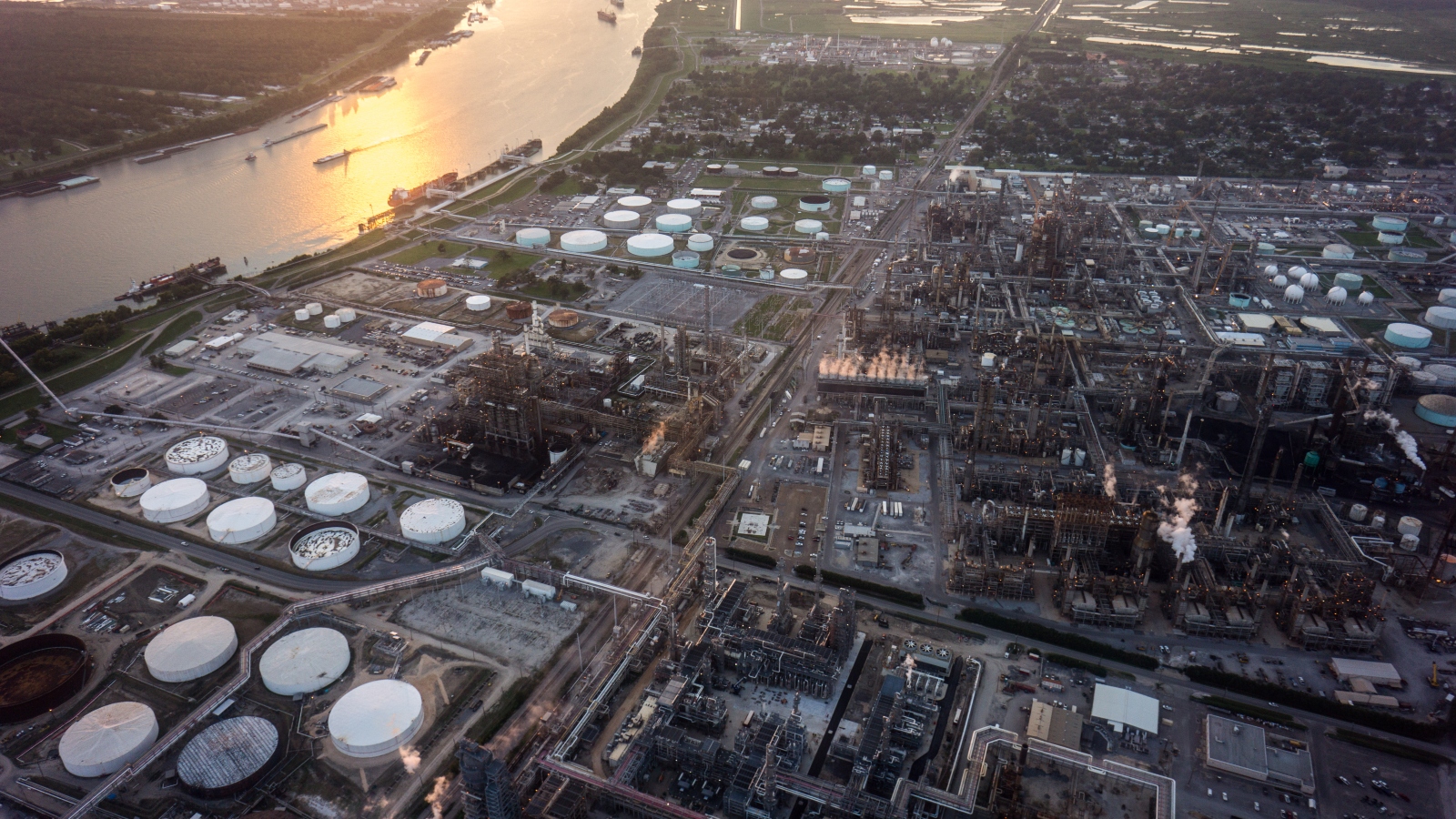
Why it matters: Communities already facing disproportionate cancer risks — particularly Black and low-income residents near industrial corridors like Louisiana's Cancer Alley — are simultaneously losing the shrinking federal monitors that tracked their exposure and the community sensors designed to fill the gap, as industry-backed state laws and federal rollbacks converge to narrow enforcement options.
Ask SkimNews