Louisiana Air Monitors Miss Cancer-Linked Chemicals at Polluters — SkimNews

Get the Energy newsletter
Daily energy & climate — solar, EVs, oil, the policy fights and tech bets shaping the transition. Free.
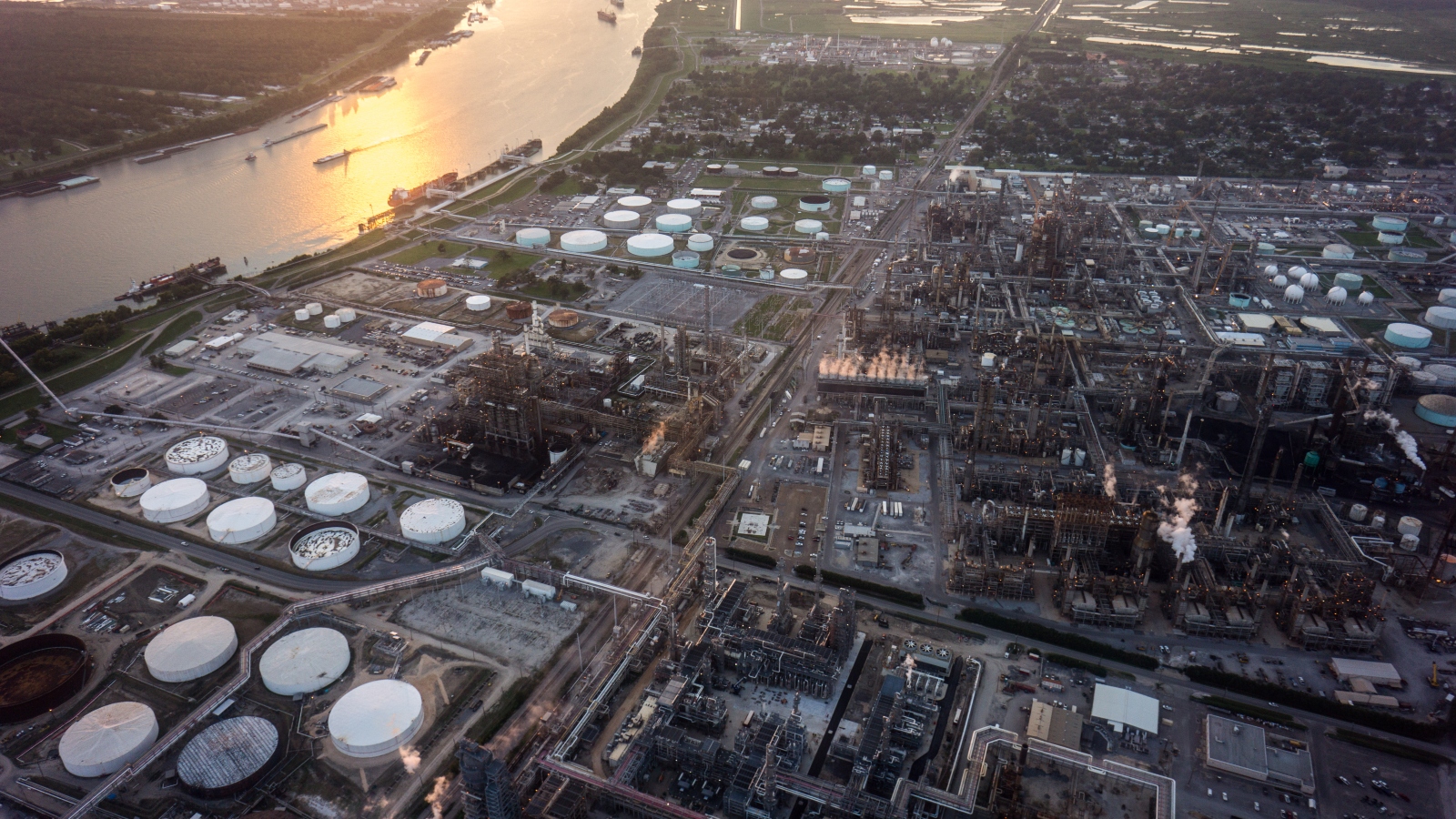
- Floodlight and the Guardian found 10 of Louisiana's top 25 industrial air polluters operate with no public air monitor within five miles, including Dow Chemical's Plaquemine plastics factory roughly eight miles from the nearest station, which measures only ozone despite the plant releasing ethylene oxide.
- The three chemicals researchers link to "the large majority of total cancer risk" along the 85-mile Baton Rouge-to-New Orleans corridor — ethylene oxide, chloroprene, and formaldehyde — are not monitored by the state at all.
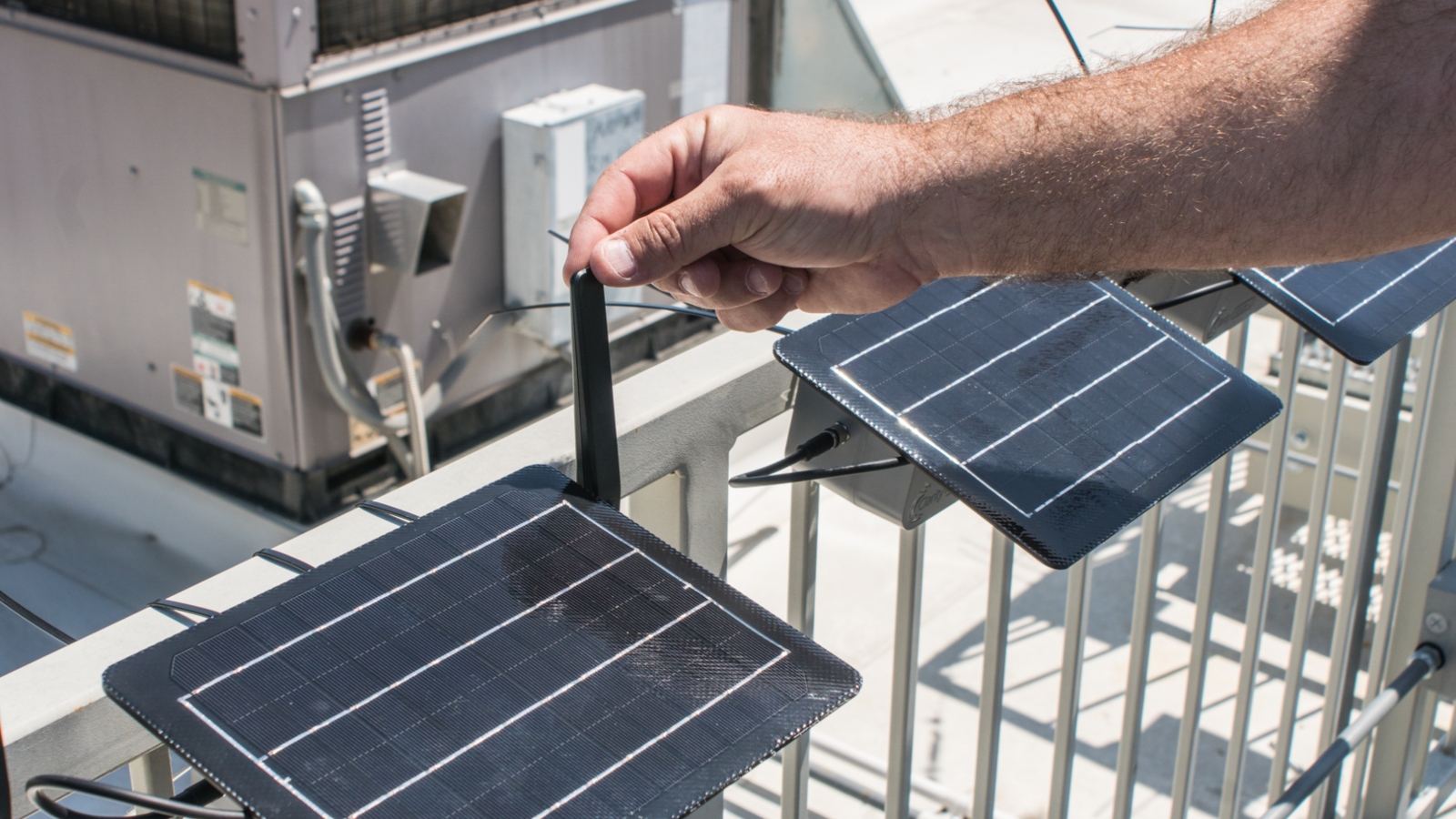
- Resident Kimbrelle Kyereh stopped collecting yard air samples in 2023 after Louisiana passed an industry-backed law restricting how community monitoring data could be used; the 2024 Community Air Monitoring Reliability Act (CAMRA) bars enforcement use of data from non-EPA-approved monitors that typically cost tens of thousands of dollars.
- Similar legislation to Louisiana's has been introduced in Kentucky, Ohio, and West Virginia, suggesting the state was one front in a broader fight over who gets to measure toxic air.
- A Marathon refinery leak on August 24, 2023 went more than six hours before state air monitoring began; the nearest monitor measures only ozone, and at least 29 residents were later treated at area hospitals.
- Louisiana has retreated from monitoring since 2020, losing four air monitoring stations while LDEQ air-monitoring expenditures fell roughly 15% (over a third adjusted for inflation), and the EPA operates 26 national toxics-monitoring stations — none in Louisiana or Texas.
- Former state senator Cleo Fields, now a US representative, introduced fenceline monitoring bills repeatedly that died to industry opposition; Louisiana Chemistry Association members helped draft CAMRA.
Why it matters: Louisiana residents in predominantly Black communities along the Baton Rouge–New Orleans corridor face elevated cancer risk from unmonitored toxic emissions including ethylene oxide, formaldehyde, and chloroprene, while industry-backed laws now bar the community-generated data that could trigger enforcement — effectively shutting residents out of proving what they are breathing.
Ask SkimNews