Europe must shift from firefighting to fire prevention — SkimNews

Get the Energy newsletter
Daily energy & climate — solar, EVs, oil, the policy fights and tech bets shaping the transition. Free.
- Sebastien Lahaye argues that doubling down on firefighting planes diverts funds from prevention, noting every euro spent on suppression is not invested in reducing future fire risk
- Raúl Cordero finds that successful past fire suppression has led to a buildup of vegetation fuel, creating conditions for extreme megafires despite fewer annual fires since 1981
- Johann Goldammer states that current fire budgets allocate 90% to suppression and only 10% to prevention, advocating for a complete reversal to prioritize proactive landscape management
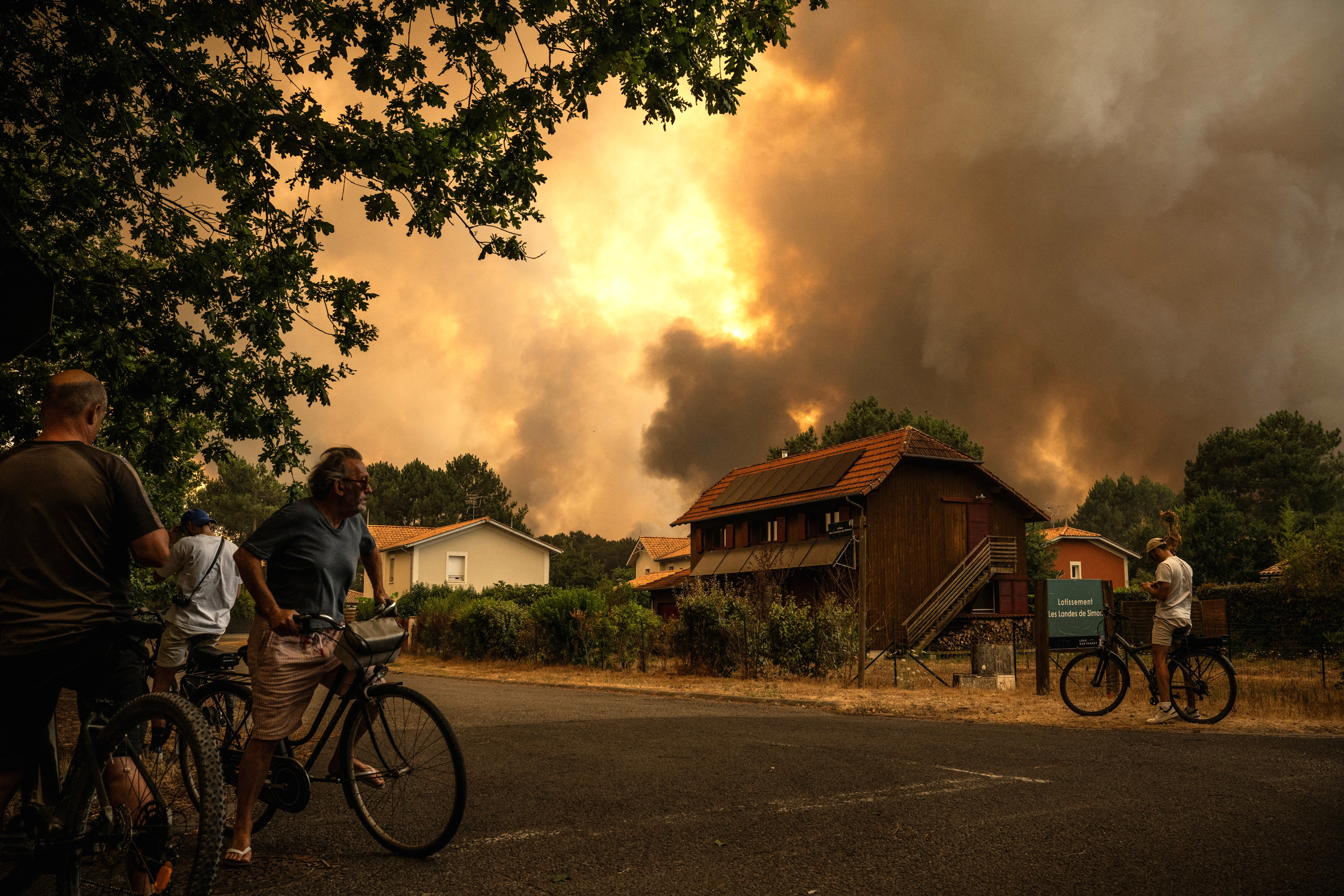
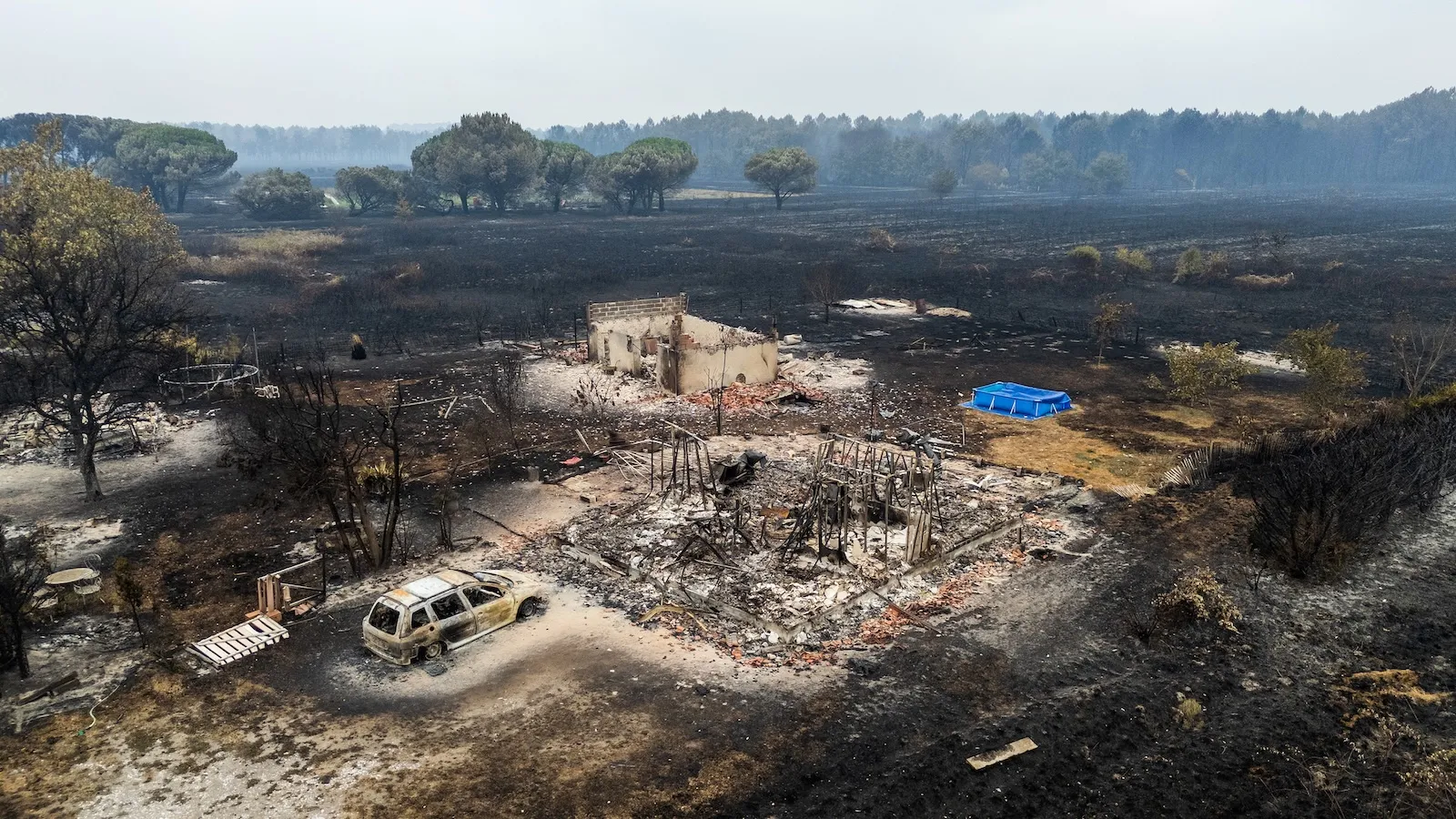
- Landes forest managers replanted maritime pine monocultures after the 2022 fire, a practice Lahaye warns increases long-term fire risk despite improved access roads and fire breaks
- Stefan Doerr highlights that allowing some controlled winter burns could reduce future wildfire severity, citing firefighter insights near Barcelona that small fires prevent larger ones
Why it matters: Europe’s current fire strategy risks escalating costs and catastrophic blazes by prioritizing expensive suppression over cheaper, proven prevention. Shifting 90% of fire budgets to fuel reduction and land-use planning would lower long-term risks for communities near forests, especially as warming doubles extreme fire weather days in southern regions.
Ask SkimNews