Pakistan Brokers U.S.-Iran Ceasefire, Hosts Failed Talks — SkimNews
Get the Geopolitics newsletter
Daily geopolitics — wars, elections, sanctions, the diplomatic moves that move markets. Free.
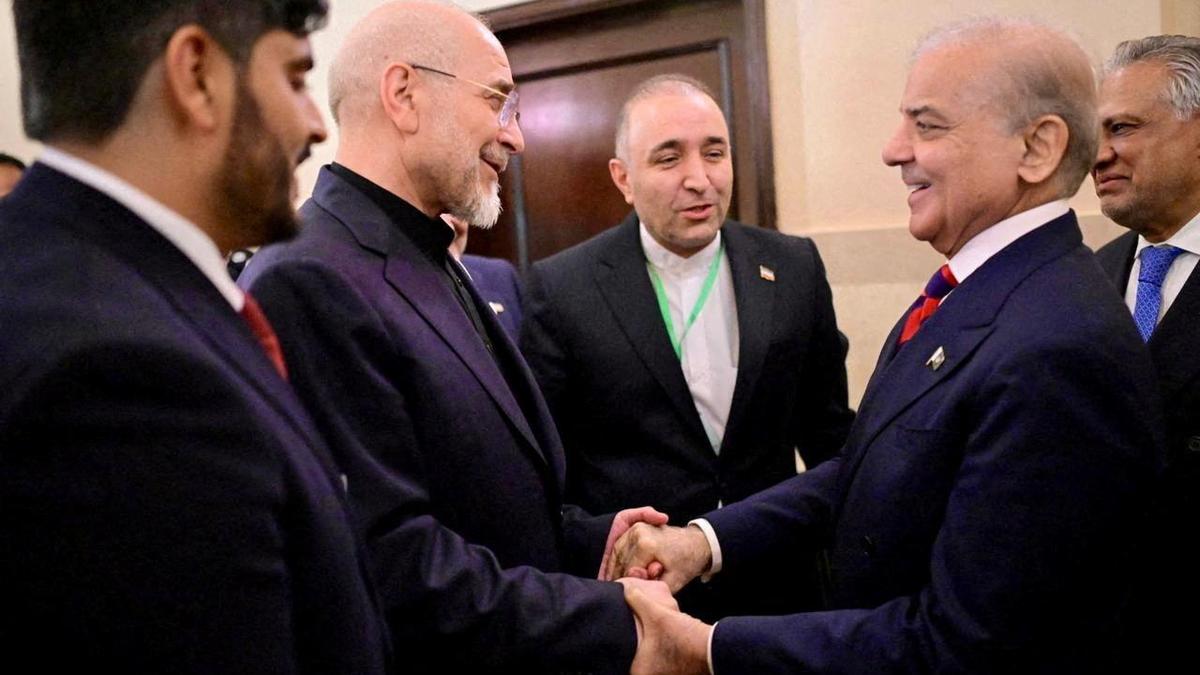
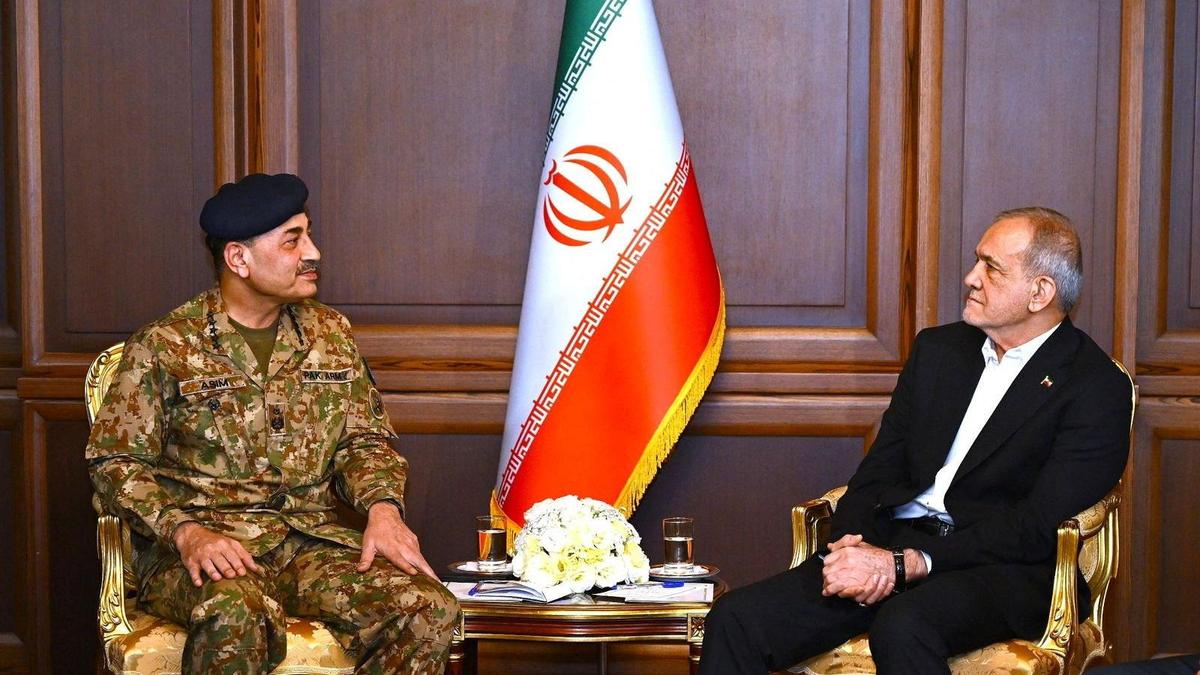
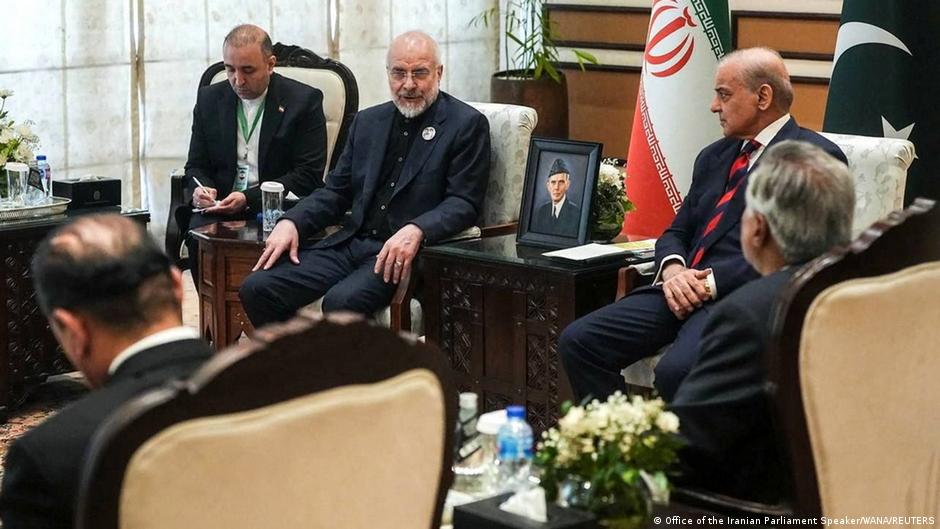
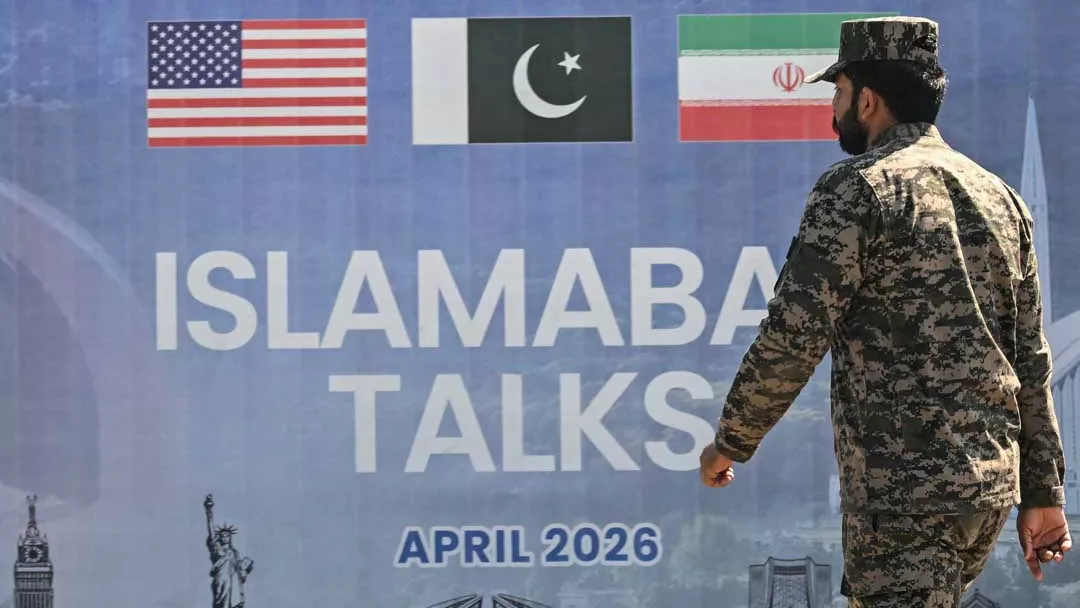
- Pakistan directly mediated the 8 April ceasefire between Washington and Tehran and hosted 11–12 April negotiations in Islamabad — the highest-level U.S.-Iran talks since the 1979 Iranian revolution.
- JD Vance announced on April 12 that the Islamabad negotiations failed to reach agreement, saying he was leaving after delivering Tehran what he called the 'final and best offer.'
- Anti-U.S. protests erupted across Pakistan in the war's first days: 11 killed in Karachi, 3 in Islamabad, and at least 13 in Gilgit, with Shia crowds attempting to storm the U.S. consulate and embassy red zone.
- Pakistan's roughly 20% Shia population — the world's second-largest Shia community among its 240 million people — makes the mediator role domestically combustible, especially after the assassination of Iranian Supreme Leader Ali Khamenei.
- Pakistan's mediation is backed by China, whose special relationship with Iran gives Beijing leverage Islamabad can channel, alongside cooperation with Egypt, Saudi Arabia, and Türkiye.
- Baloch militancy is intensifying along Pakistan's western border with Iran, with risks that insurgents could coordinate across borders and exploit tensions between Islamabad and Kabul.
- Iran's closure of the Strait of Hormuz and attacks on Gulf oil and gas facilities are draining Pakistan's foreign reserves, compounding the economic strain of the mediation campaign.
Why it matters: Pakistan is uniquely positioned to shuttle between Washington and Tehran — close to both, backed by China, and credible in the Gulf — but its 20% Shia minority, porous western border, and formal defense pact with Saudi Arabia make the role a high-wire act. With the April 12 talks collapsed and at least 27 protest deaths on its soil, Islamabad now owns responsibility for keeping adversaries at the table while absorbing the war's domestic fallout.
Ask SkimNews