Iran War Triggers Global Energy Crisis Response — SkimNews

Get the Energy newsletter
Daily energy & climate — solar, EVs, oil, the policy fights and tech bets shaping the transition. Free.
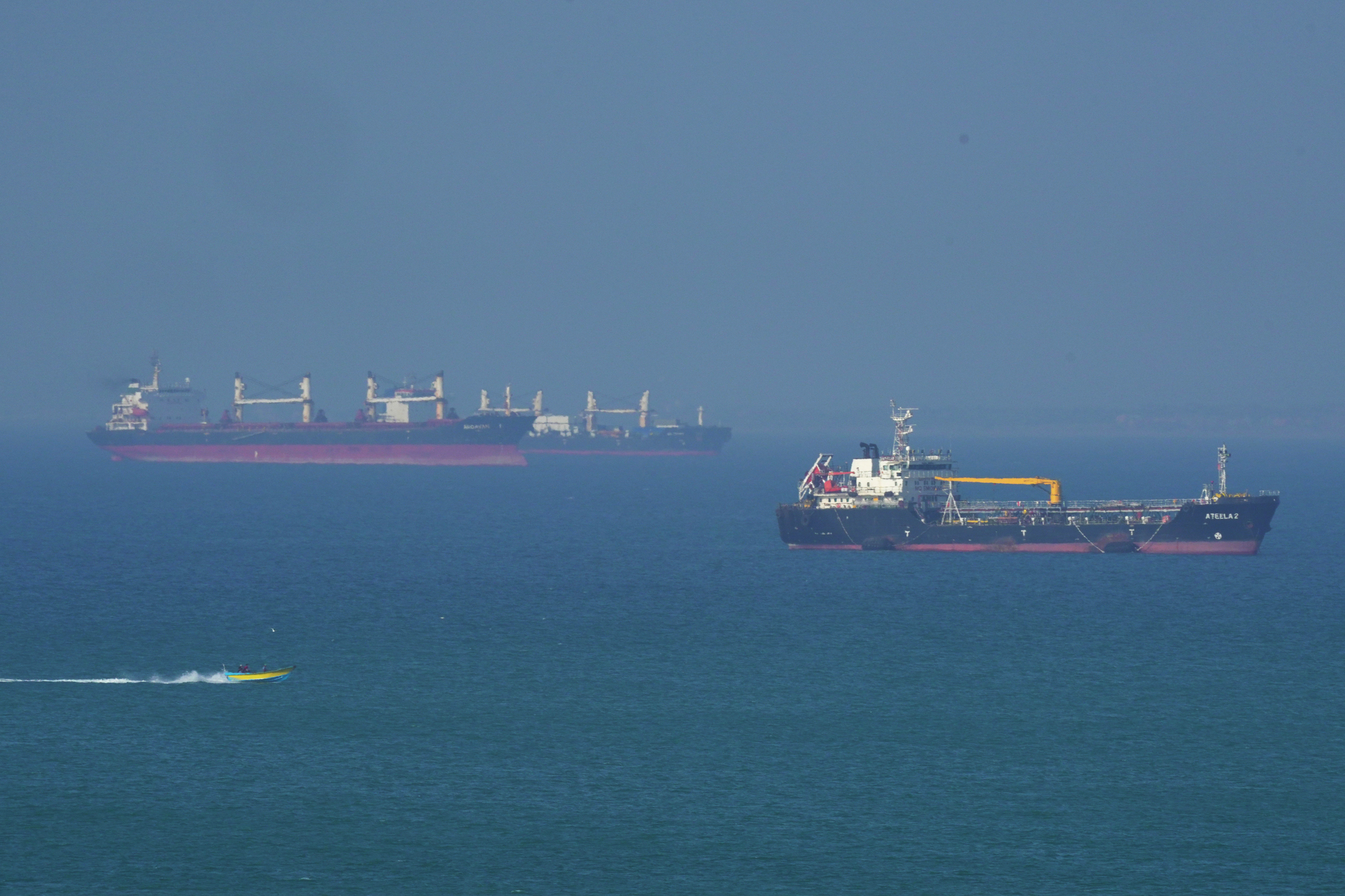
- The war against Iran closed the Strait of Hormuz, a crucial shipping route for oil and seaborne gas, shrinking global fuel stocks and driving prices into chaos
- The IEA released 400m barrels from strategic reserves last month and called on citizens to drive slower and fly less, while warning against blanket subsidies
- Trump told allies who haven't joined the US/Israeli campaign to "go get your own oil" from the Gulf, while his administration pays TotalEnergies $1bn of taxpayer money to scrap planned US east coast windfarms in favor of oil and gas
- Sri Lanka introduced fuel rationing and a four-day working week, Vietnam urged employers to let staff work from home, and Thailand had news anchors remove their jackets on air as the region took the biggest demand-cutting steps
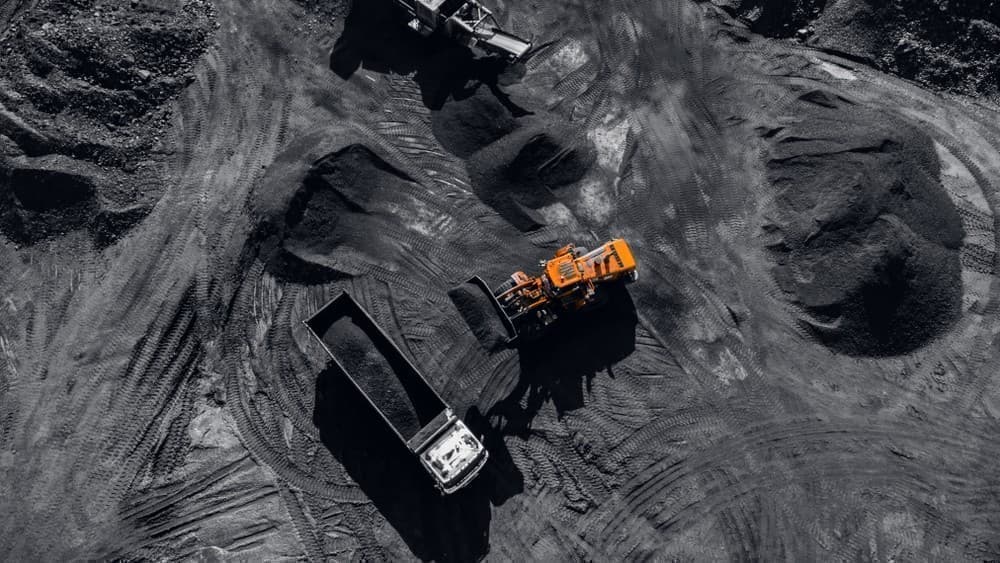
- India, Japan, and South Korea ordered coal-fired plants to run at full capacity, with Japan and South Korea reversing planned coal phaseouts; Italy delayed its coal phaseout by more than a decade and Germany floated keeping coal plants online longer
- Australia announced a 50% fuel excise cut for three months, New Zealand launched weekly cash payments to nearly 150,000 families, and Slovenia began rationing fuel at the pump
- China is comparatively insulated due to vast strategic oil reserves and diversified energy production, though independent "teapot" refineries continue processing Iranian crude for domestic use
Why it matters: The Iran war's closure of the Strait of Hormuz has forced climate-leading nations — Germany, Italy, Japan, South Korea — to actively reverse coal phaseouts to keep the lights on. The economic pain is hitting South and Southeast Asia hardest, with Sri Lanka implementing a four-day working week and Vietnam urging work from home. The crisis is also being weaponized politically: the US is paying TotalEnergies $1bn to scrap windfarm plans while telling allies to find their own oil.
Ask SkimNews