Ford's 5,000 Unicastings Collapse 146 Parts Into Two — SkimNews
Get the Energy newsletter
Daily energy & climate — solar, EVs, oil, the policy fights and tech bets shaping the transition. Free.
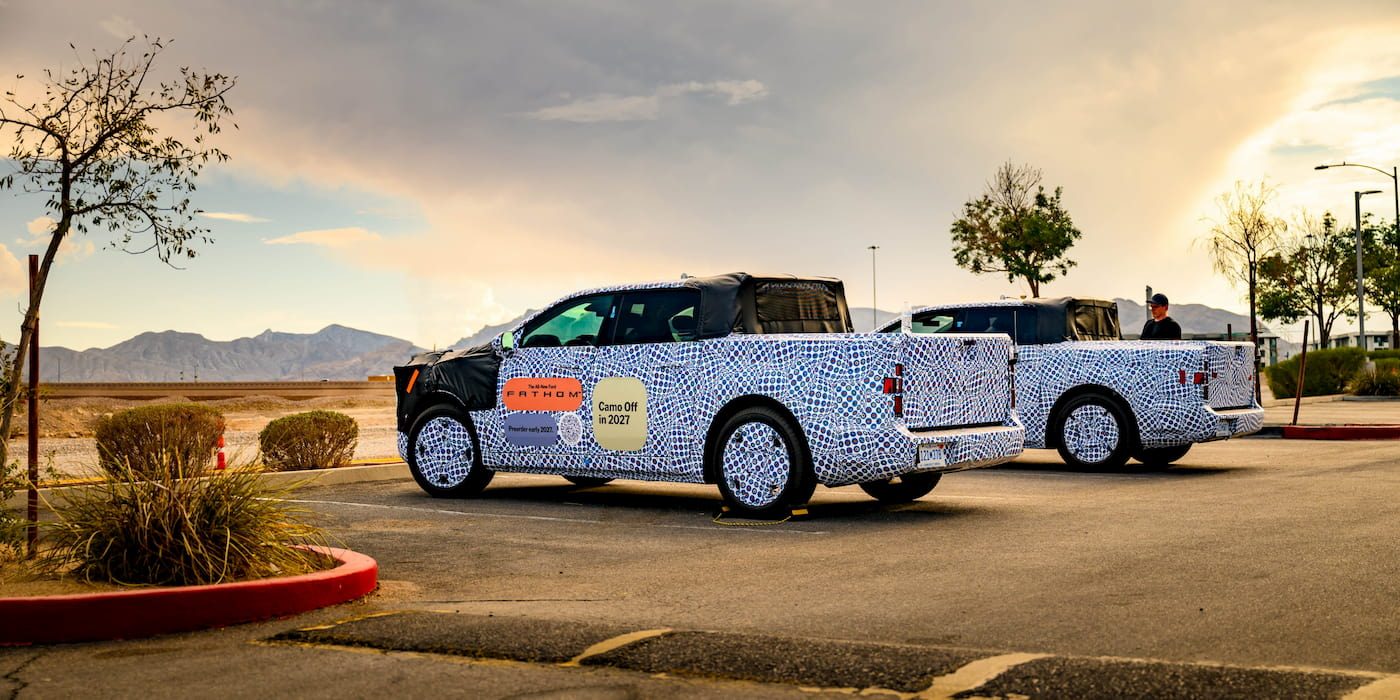
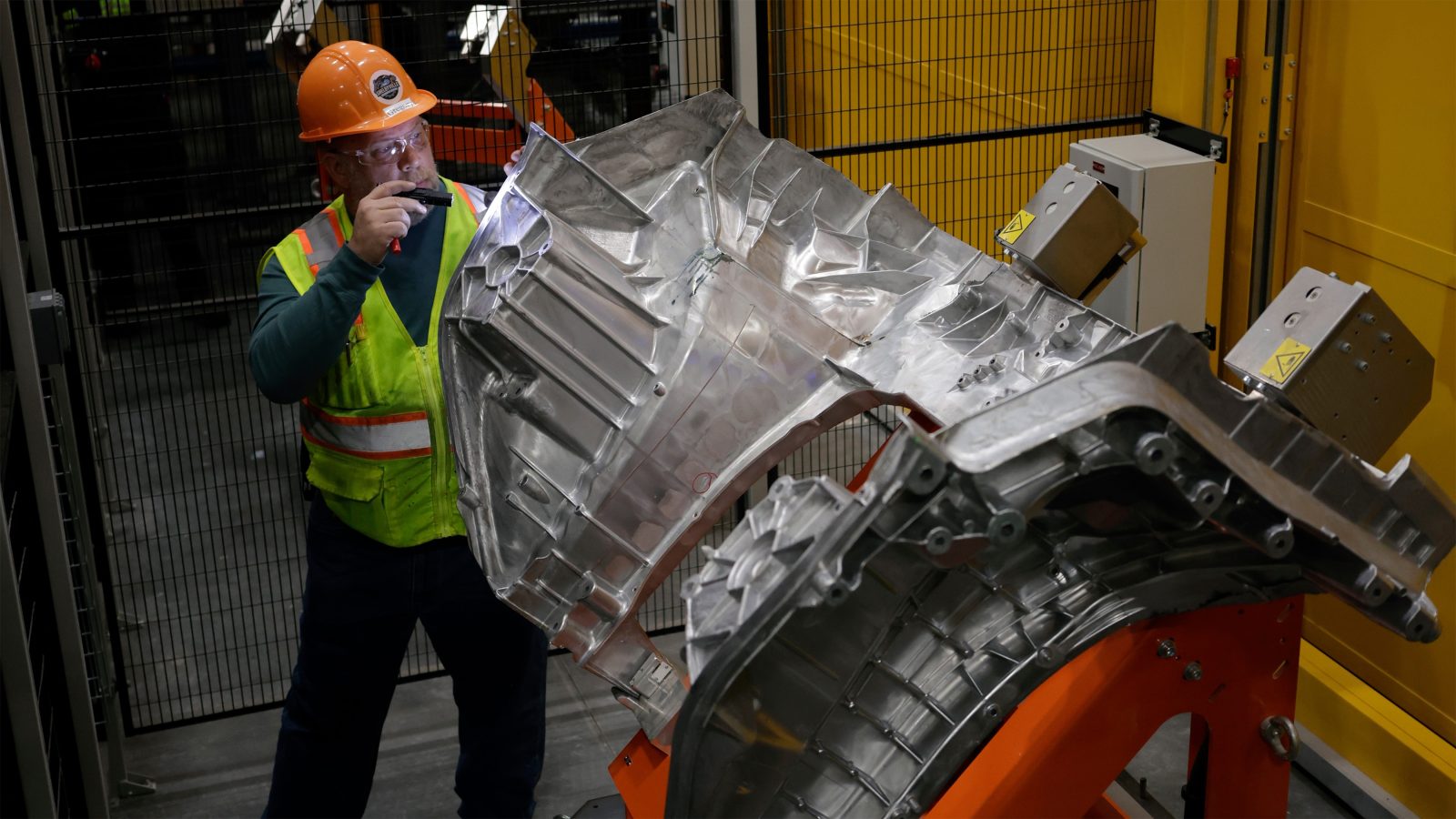
- Ford has produced more than 5,000 large aluminum "unicastings" for the Fathom, its $28,350 midsize electric pickup launching in 2027; each truck uses two — one front, one rear — in place of 146 individual parts.
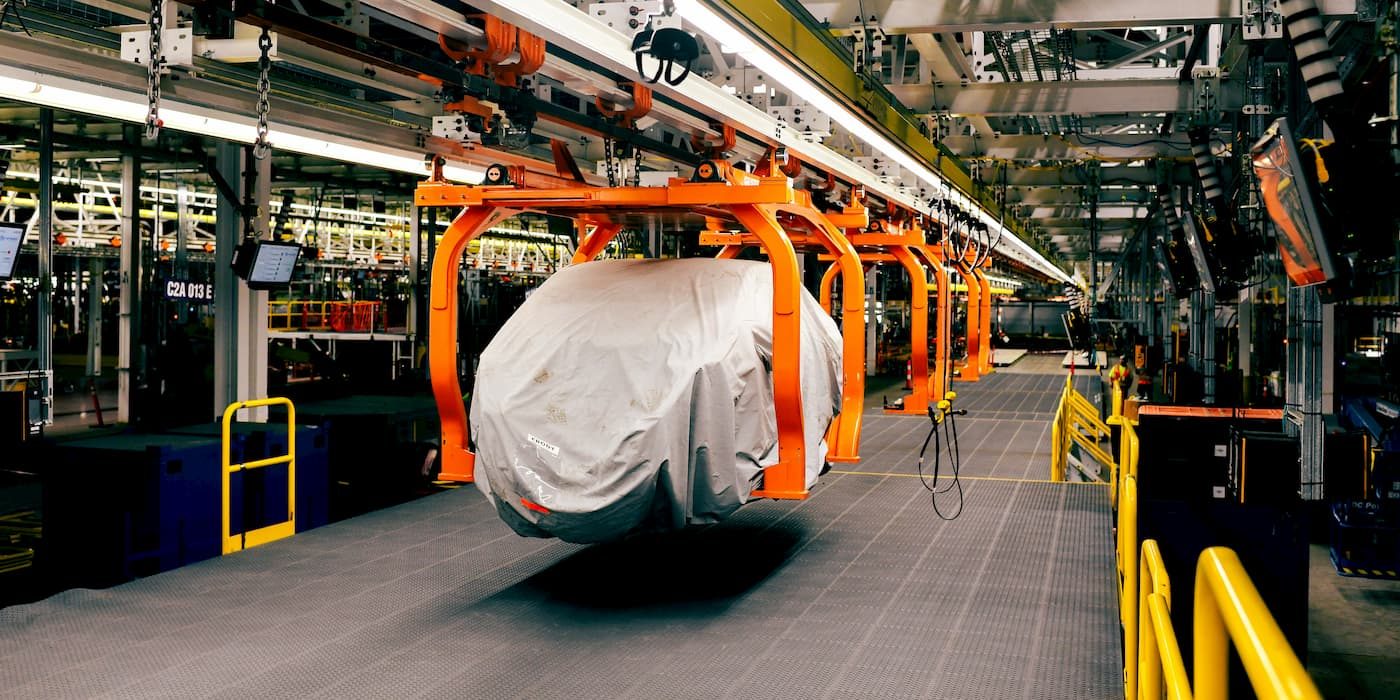
- Louisville Assembly Plant is being retooled for the Fathom and other vehicles on Ford's Universal EV Platform, with the line split into three branches (front, rear, and the battery pack with the interior floor) that Ford says can be up to 40% faster than its current assembly, or about 15% net after reinvesting some savings into automation and insourcing.
- Shelbyville Technical Center produces the castings, melting aluminum at about 1,300°F (700°C) and injecting it into front or rear structure molds, and no batch ships to Louisville until it clears industrial X-ray, dimensional, optical surface and lab tensile and chemistry inspections; Ford is also designing the parts for "modular repairability."
- Tesla started gigacasting in 2020 with the first IDRA Giga Press at Fremont, roughly 6,000 tons of clamping force, casting the Model Y rear underbody in one piece that replaced 70 parts; Elon Musk said the change removed the need for about 300 robots.
- Model Y production has since moved the other way — Reuters reported in 2024 that Tesla backed away from casting nearly the entire underbody in one piece, and Tesla has reportedly dropped the front casting on some Model Y builds, leaving Ford's front-and-rear layout essentially where Tesla started.
- Lucid executive Cory Steuben said insurance concerns drove Lucid to skip gigacasting altogether, and other automakers have stayed away: Stellantis will not invest in gigacasting, BMW and Mercedes-Benz have stuck with smaller presses, and Hyundai pushed its "Hypercasting" plan back two years.
- Volvo began EX60 production at Torslanda with a single rear megacasting and ordered two 9,000-ton-class IDRA presses for its new Slovak plant, while Xiaomi runs 9,100-ton presses, Xpeng merges more than 300 parts into the G6's front-and-rear underbody, and Honda is installing six 6,100-ton presses in Ohio.
Why it matters: Ford says splitting Louisville into front, rear and battery-pack branches can run up to 40% faster than current assembly, about 15% net after reinvesting savings in automation and insourcing — the cost path to a $28,350 truck. Repairability is the counterweight: Lucid's Cory Steuben said insurance concerns drove Lucid to skip gigacasting, and Stellantis, BMW and Mercedes-Benz stayed away.
Ask SkimNews