Ford is now building low-cost LFP battery cells in the US that will power its $30,000 EV pickup — SkimNews
Get the Energy newsletter
Daily energy & climate — solar, EVs, oil, the policy fights and tech bets shaping the transition. Free.
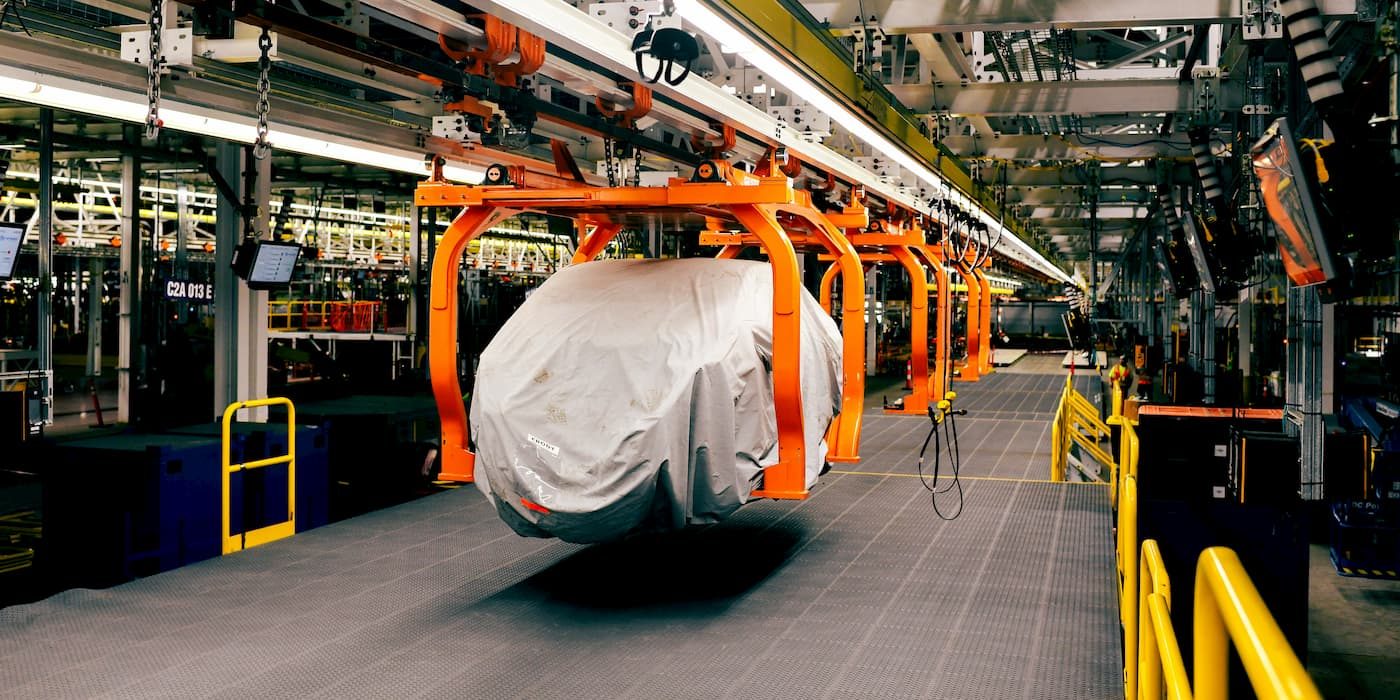
- Ford began assembling LFP prismatic cells at its Bluoval Battery Park in Michigan, delivering the first full cells on Tuesday and becoming the first US automaker to ship LFP batteries for mass-market automotive use.
- Ford is using licensed battery and manufacturing technology from China's CATL, a decision defended by VP Lisa Drake as necessary to deliver truly affordable EVs and preserve "very good-paying jobs."
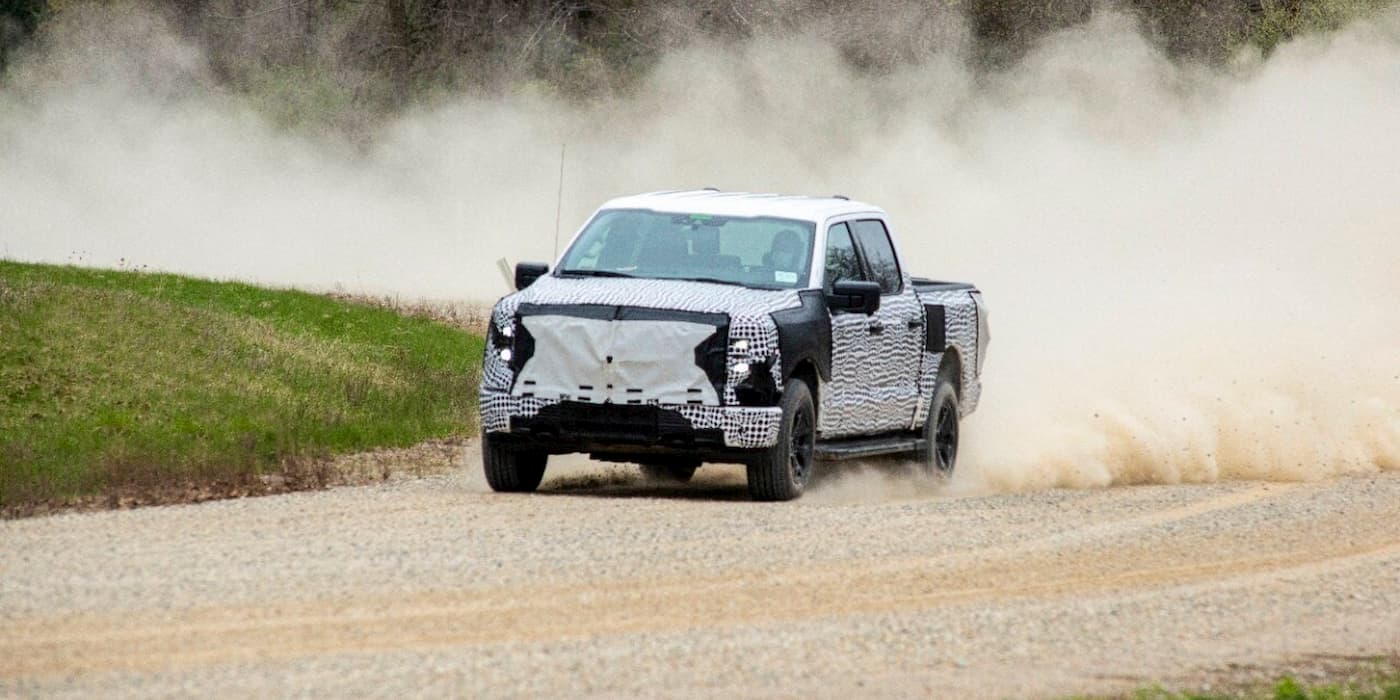
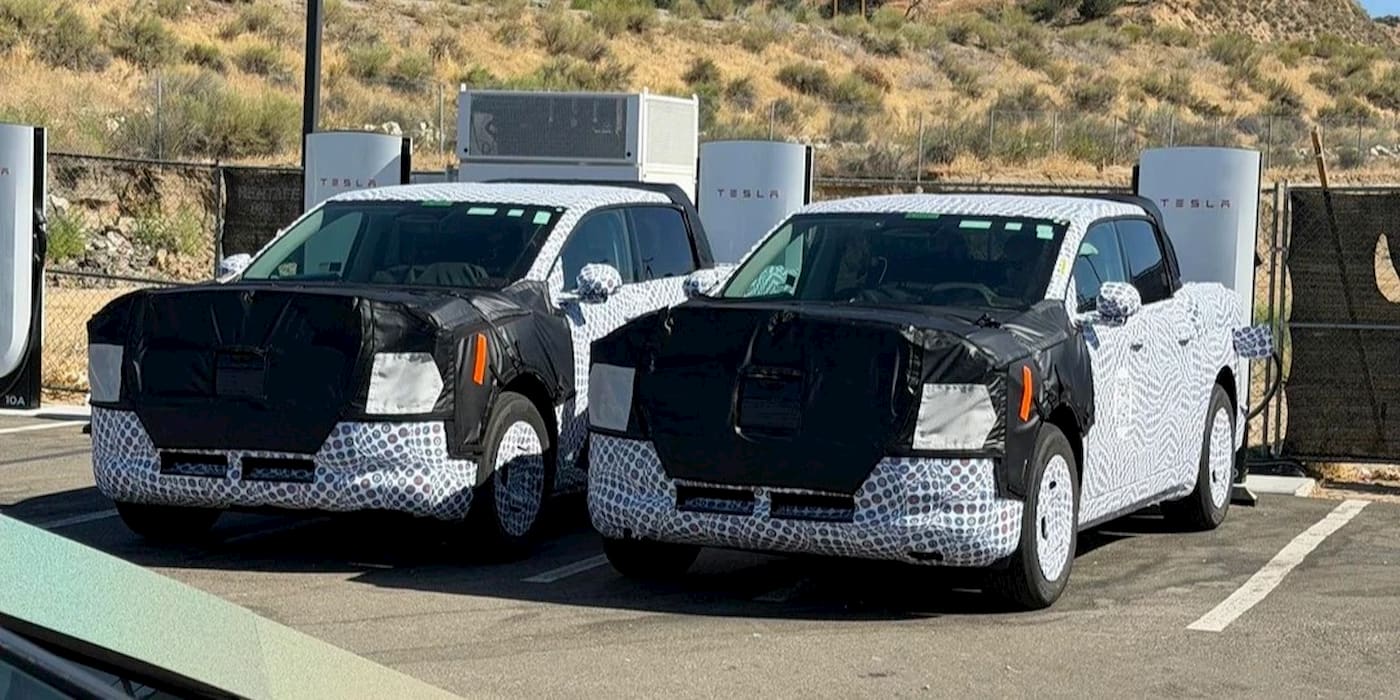
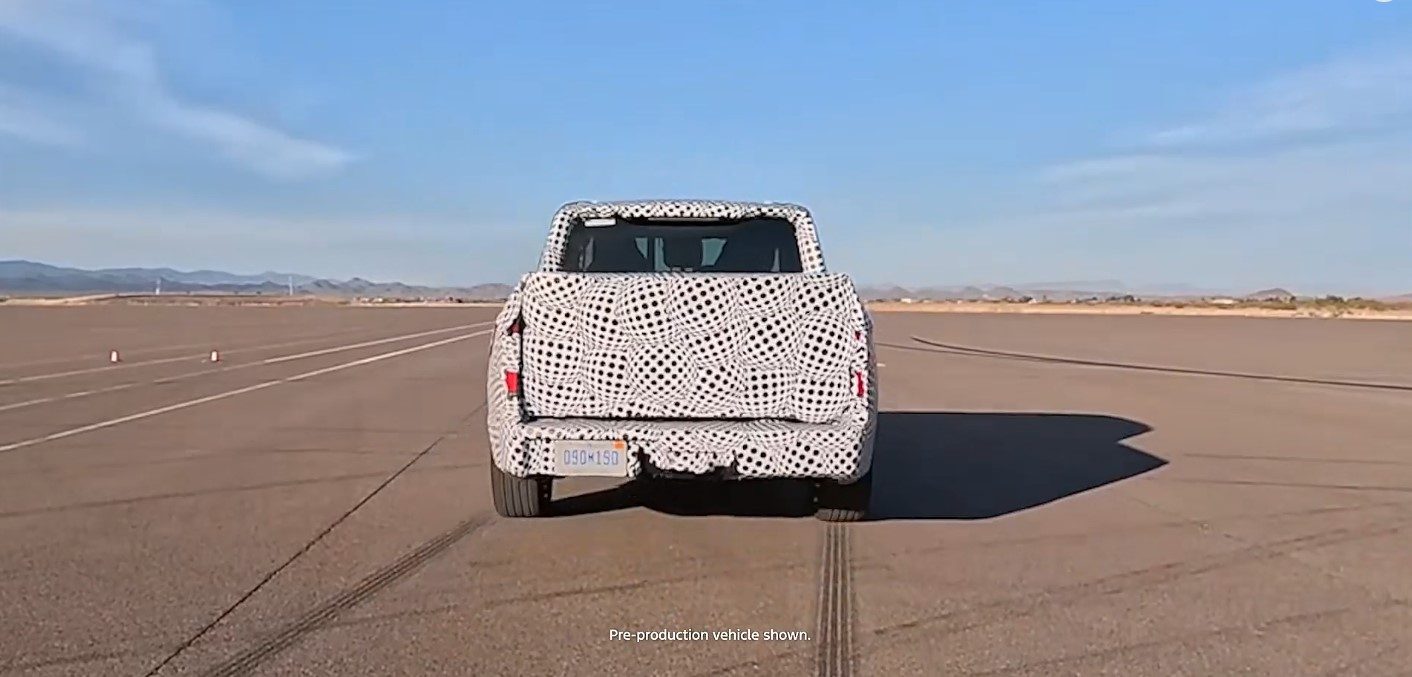
- Ford will deploy the cells in its $30,000 midsize electric pickup — the first vehicle on its Universal Electric Vehicle (UEV) platform — set to launch in 2027 and be assembled at the Louisville plant.
- Ford says the LFP-powered pickup will offer more passenger space than a Toyota RAV4 and a lower cost of ownership than a Tesla Model Y, with LFP cells being cheaper and lighter than nickel-manganese-cobalt alternatives.
- CATL and BYD together accounted for over 55% of global EV battery sales in 2025, according to SNE Research, while LFP cathode materials made up 72% (3.47 million of 4.95 million tons) of cathode shipments that year.
- GM is reportedly reconsidering LFP batteries in its future EVs, contrasting with Ford's bet on the chemistry as its affordability play.
Why it matters: Ford is leapfrogging domestic competitors by becoming the first US automaker to mass-produce LFP cells for a mainstream EV, using CATL-licensed tech that sidesteps sourcing rules while China (CATL + BYD) controls over 55% of global EV battery sales. The $30,000 price point and 2027 Louisville launch put Ford's affordability thesis on a hard deadline — and GM's reported pullback from LFP makes Ford's bet look either prescient or lonely.
Ask SkimNews