Young Welsh farmers feed Birmingham's kids — SkimNews

Get the Energy newsletter
Daily energy & climate — solar, EVs, oil, the policy fights and tech bets shaping the transition. Free.
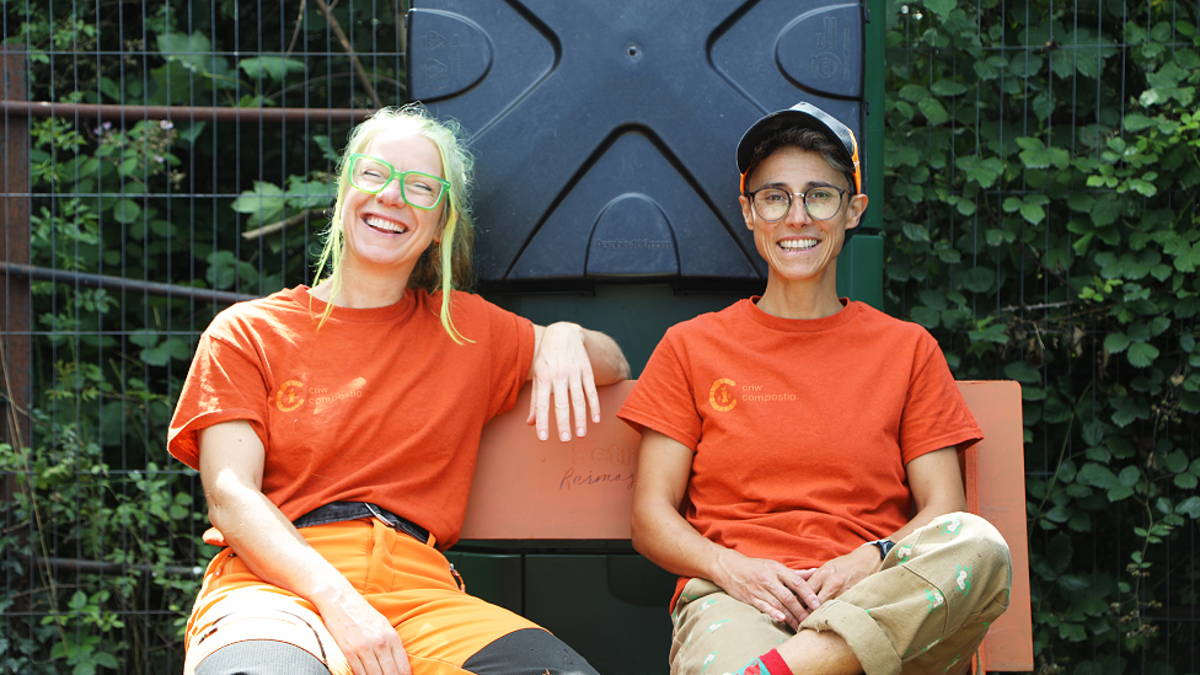
- Tilly Gomersall and neighbour Lydia Dibben are farming plots at Wern farm in Powys, Wales — land that was uncultivated pasture just 18 months ago — and since late July have been sending fresh produce to Birmingham city council, including 28kg of spring onions and 18kg of French beans in their first weeks.
- Birmingham city council distributes the Welsh-grown vegetables through its holiday activities and food programme, with about 1,000 children from low-income families receiving boxes of Powys produce at summer holiday clubs, many tasting homegrown veg for the first time.
- Our Food Trust, the charity behind the scheme, secured a 95-year lease with Powys county council and pushed through changes to the county's planning guidance so growers can live on the land they work — addressing what joint chief executive Duncan Fisher calls the core barrier for young entrants priced out of land and rural housing.
- The UK imports roughly 40% of its food and has one of the lowest self-sufficiency ratios in western Europe, leaving supply chains exposed to climate shocks and geopolitical risk — a vulnerability that Sarah Newton, who heads the city's food system team, says is acute in Birmingham, where feeding 1.2 million people depends on supply chains Birmingham can no longer take for granted.
- Just 0.2% of land in Wales is used for horticulture, according to Our Food Trust, which argues a national coordinated approach — modelled on France's projets alimentaires territoriaux introduced in 2014 — could line up supply and demand to shift economies of scale.
- Dibben said local sales alone cannot sustain the farms — with the cost of living limiting how many nearby customers can afford their produce — making the Birmingham contract of "100 kilos of courgettes a week" critical while the growers expand their cultivated area.
Why it matters: Britain's 40% import dependence leaves it exposed to climate and geopolitical shocks, and only 0.2% of Welsh land is in horticulture — so the Wern farm-to-Birmingham pilot tests whether direct grower-to-city supply chains can deliver nutritious food to deprived children (about 1,000 this summer) while giving new farmers a viable buyer at scale the local market alone cannot provide.
Ask SkimNews