Welsh duo turn cafe scraps into award-winning local compost — SkimNews
Get the Energy newsletter
Daily energy & climate — solar, EVs, oil, the policy fights and tech bets shaping the transition. Free.
- Criw Compostio collects food waste from cafes and businesses twice a week in Machynlleth, converting it into peat-free compost that stays within a strict 20-mile radius and is sold on a 'pay what you feel' basis.
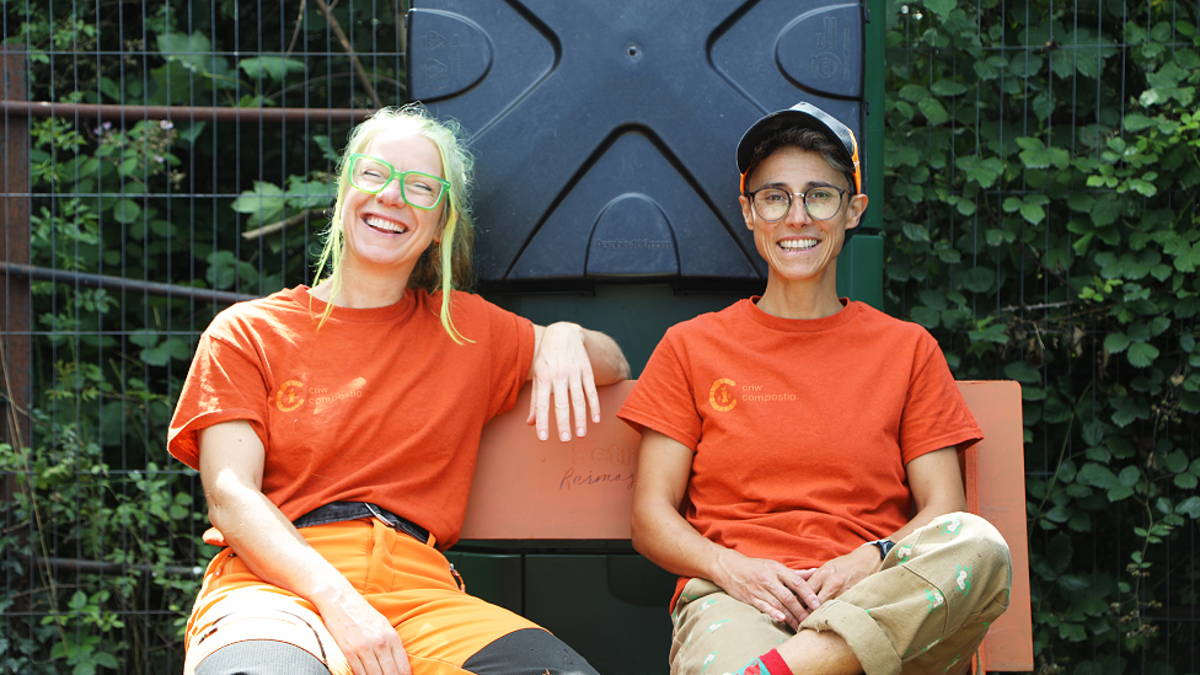
- Founders Steph Robinson and ffin Jordao met at the Centre for Alternative Technology near Machynlleth and launched the business with a Shared Prosperity Fund grant in 2022, later expanding into a composting school for other communities.
- Beyond food scraps, the operation takes in wood shavings from a carpentry business and used rabbit and guinea pig bedding from pet owners, processed in 'hot, rat-proof hyper composters' over roughly a year.
- The compost recently won an award for quality, and is used by local growers who sell produce back to the same cafes that supplied the original waste — closing a resource loop.
- The team runs on a lean structure of six board directors, a compost caretaker, and about 15 rotating volunteers who are paid in compost rather than cash, backed by an academic advisory panel on soil ecology.
- Co-founder Steph Robinson frames the project in social terms as much as environmental ones, citing access for people struggling economically, reduced loneliness, and 'vibrant growing communities' that have formed around the scheme.
Why it matters: By keeping compost and the food grown from it within a 20-mile radius, Criw Compostio offers a working model for small-town circular economies — one where cafes, growers, and residents share resources rather than exporting waste. With cost-of-living pressures driving interest in growing food and allotments locally, the venture demonstrates how a two-person operation plus volunteers can produce award-quality compost and measurable social benefits without scaling beyond its community.
Ask SkimNews