OpenAI pitches data center power plants as a way to protect nearby areas — SkimNews

Get the Tech newsletter
Daily tech — startups, AI labs, chips, the launches that shape the next decade. Free.
- OpenAI will pilot its Grid Protectors Program at an upcoming data center in Effingham County, Georgia, promising to free up to 1,000 megawatts during extreme weather or emergencies—enough to power air conditioners in about 700,000 homes.
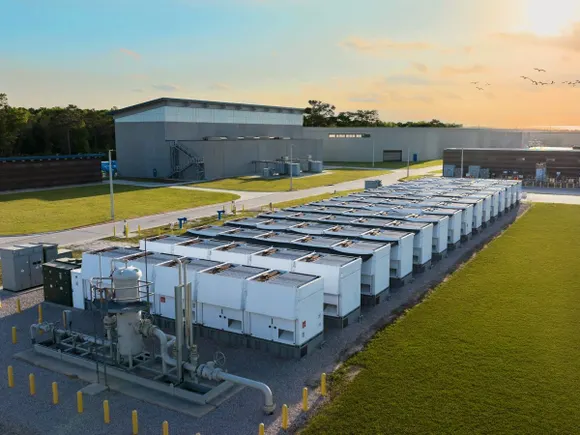
- OpenAI is pitching the power plants feeding its new AI data centers as resources utilities can call on during community emergencies, while rebranding the facilities as “compute campuses” to separate them from data centers’ poor public reputation.
- OpenAI says operating year-round helps reduce customer costs because steady demand spreads fixed grid costs across more electricity sales, and it is seeking agreements to curtail consumption when the system is busiest.
- Utah residents protested after Box Elder County commissioners signed off on a data center expected to consume more than double the state’s peak electricity demand in 2025, with the project also spreading hot air across the surrounding desert valley.
- Tennessee, Florida, Oklahoma and Oregon have enacted laws intended to prevent AI companies from passing energy costs to residents, as other jurisdictions have imposed data-center moratoriums and restrictions.
- HARC said in a recent study that powering proposed Texas data-center projects could undo decades of air-quality gains over just five years.
- Oracle and SoftBank are partnering with OpenAI to build Stargate data centers in Shackelford and Milam counties, Texas, and Doña Ana County, New Mexico.
Why it matters: The Georgia pilot promises utilities up to 1,000 megawatts during emergencies—enough for air conditioning in roughly 700,000 homes. That benefit is narrower than the backlash: Tennessee, Florida, Oklahoma and Oregon have enacted laws to prevent energy-cost pass-throughs, while HARC links proposed Texas projects to lost air-quality gains.
Ask SkimNews