How this Georgia factory is surviving America’s solar policy whiplash — SkimNews
Get the Energy newsletter
Daily energy & climate — solar, EVs, oil, the policy fights and tech bets shaping the transition. Free.
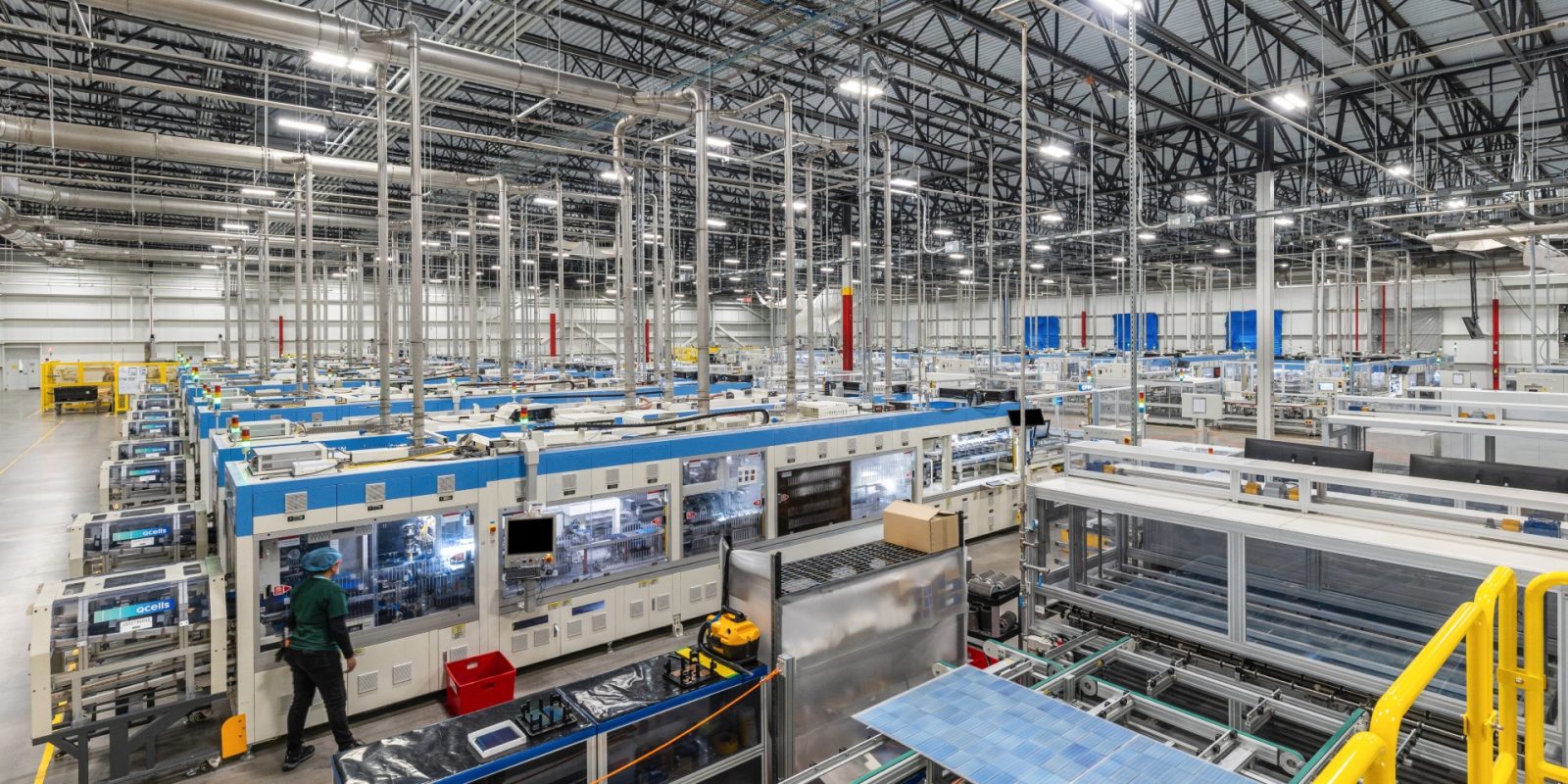
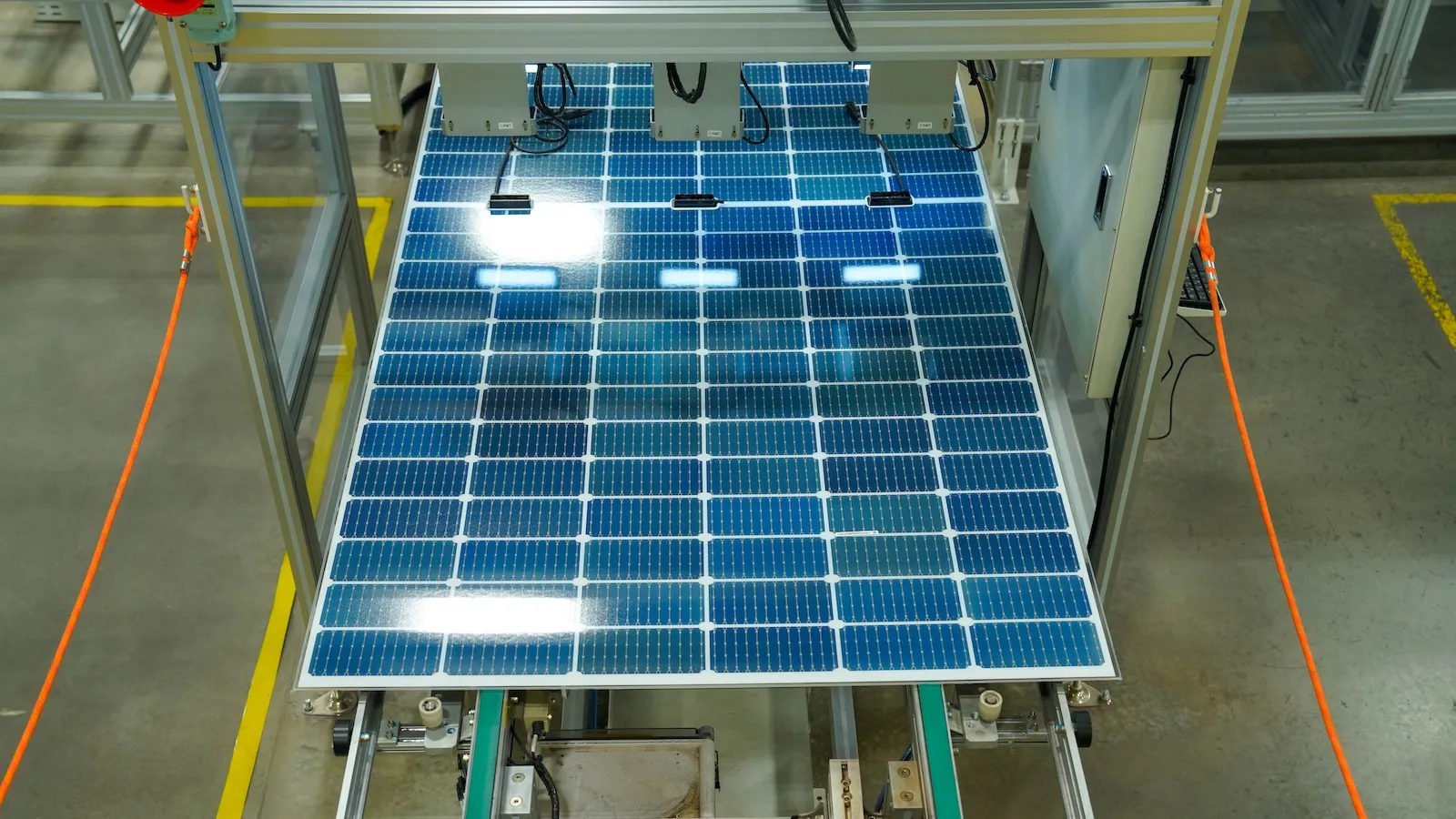
- Qcells' Cartersville, Georgia solar factory completed a $2.5 billion expansion in June, moving the full polysilicon-to-cell production process under one roof for the first time in the U.S.
- The Trump administration plans new tariffs and minimum import prices on polysilicon starting in December, and its "One Big Beautiful Bill Act" revoked most Inflation Reduction Act tax credits while barring Chinese-affiliated panels from the few that remain.
- The 2022 Inflation Reduction Act used tax credit bonuses for U.S.-made panels to lure Qcells, a South Korean firm, into building its Cartersville plant — incentives now rolled back under Trump.
- Clean energy advocacy group E2 tracked nearly $13 billion in abandoned solar, wind, and battery investments in Q1 2025, while roughly $18 billion in new projects were announced ahead of the expiring tax-credit deadline.
- The Solar Energy Industries Association reported that solar and storage made up 90% of new U.S. power capacity added to the grid in Q1 2025, with gas turbines remaining backordered for years.
- Atlanta-based Cherry Street Energy CTO Ben Damiani called the constant reversal between administrations "probably the biggest hindrance" to bringing the solar supply chain back to the U.S.
Why it matters: Qcells' $2.5 billion Cartersville expansion survived the very policies being rolled back — Biden's IRA tax credits were rewritten under Trump's OBBBA, and new December tariffs on Chinese-linked polysilicon are coming online now. Smaller manufacturers without Qcells' capital can't match that gamble: E2 tracked $13 billion in abandoned U.S. clean-energy investments in Q1 2025 alone.
Ask SkimNews