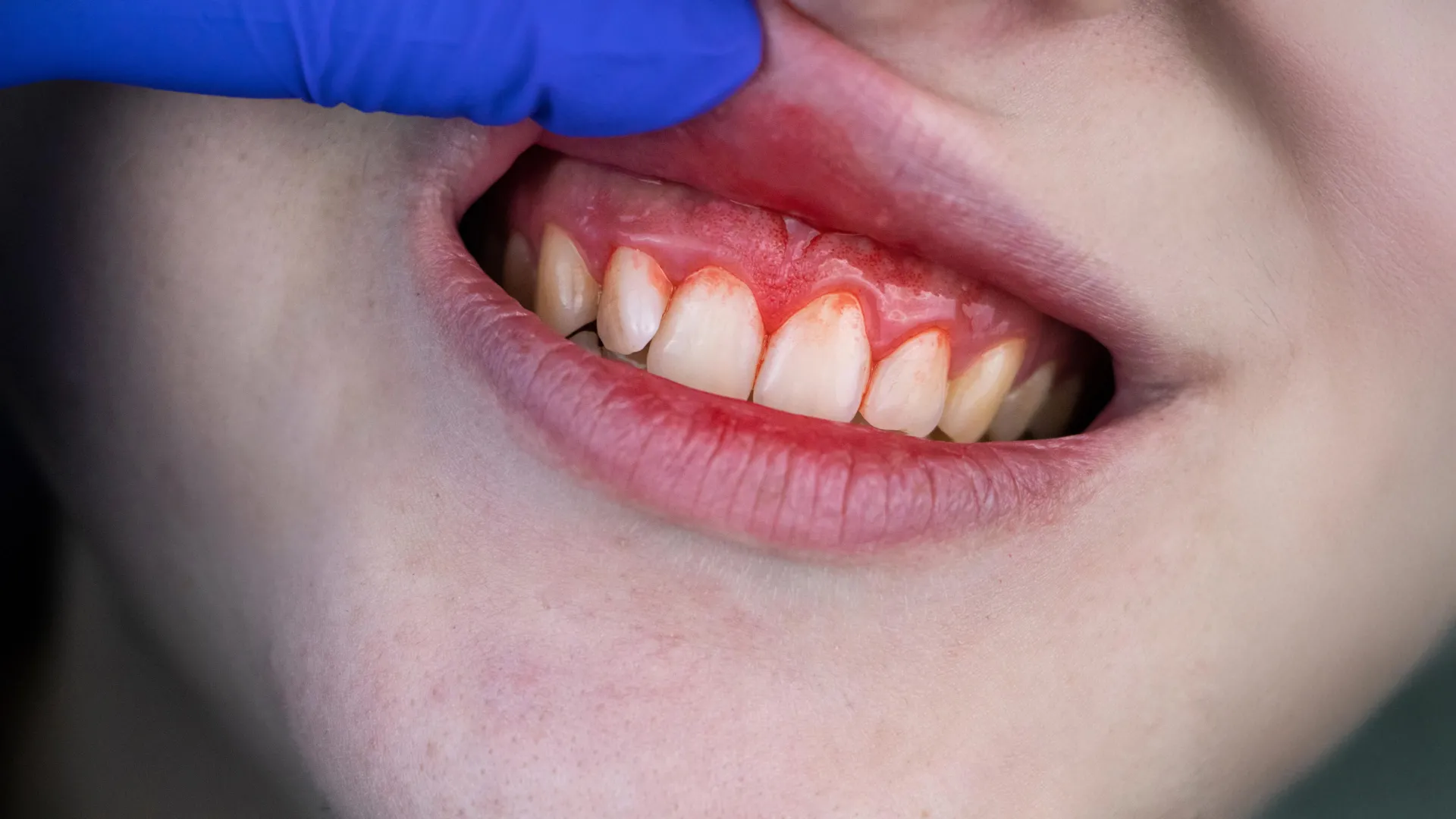
Fasting Diet Cuts Gum Disease Inflammation in — SkimNews

Get the Health newsletter
Daily health & science — research, biotech, public health, the studies worth knowing. Free.
- King's College London researchers found that a cyclical five-day low-calorie diet significantly reduced inflammation linked to gum disease in a 28-patient pilot trial conducted across hospitals in Spain.
- The fasting protocol had participants consume 1,100 calories per day for two days, then 750 calories per day for three days, followed by a gradual refeeding day using soft foods — a cycle repeated three times over six months that participants reported was relatively easy to follow.
- After six months, fasting-group participants showed lower levels of inflammation-related markers in both blood and gingival crevicular fluid, as well as reduced C-reactive protein, compared with the control group that ate normally.
- Senior author Prof Luigi Nibali said fasting likely reduces oxidative stress, that restricting high-calorie and refined-carb foods cuts inflammation, and that beneficial effects on the microbiome may also play a role — though he stressed further research is needed.
- Lead author Dr. Giuseppe Mainas said a larger study is needed before dietary changes can be incorporated into gum disease treatment, and warned that fasting may be dangerous for some patients, including those with diabetes.
- The study, published in the Journal of Clinical Periodontology, is the first to connect fasting specifically to gum disease markers and builds on prior King's research linking the Mediterranean diet to reduced gum disease risk.
Why it matters: For periodontitis patients, the findings suggest that short-term calorie restriction could eventually complement standard plaque removal and professional cleaning — a disease already associated with heart disease and diabetes that affects millions worldwide. But the researchers themselves call for a larger trial and explicitly warn that fasting may be unsafe for diabetic patients, meaning any clinical application would need to be targeted to specific patient groups.
Ask SkimNews