Ukraine Hits Siberia's Omsk Refinery, Chokes Crimea Fuel — SkimNews

Get the Geopolitics newsletter
Daily geopolitics — wars, elections, sanctions, the diplomatic moves that move markets. Free.
- Ukraine's Unmanned Systems Forces struck 19 Russian tankers, a cargo ship, and a ferry between July 6 and 8 to cut sea fuel routes to occupied Crimea, after earlier disabling the Novorossiysk oil terminal on Russia's opposite coast.
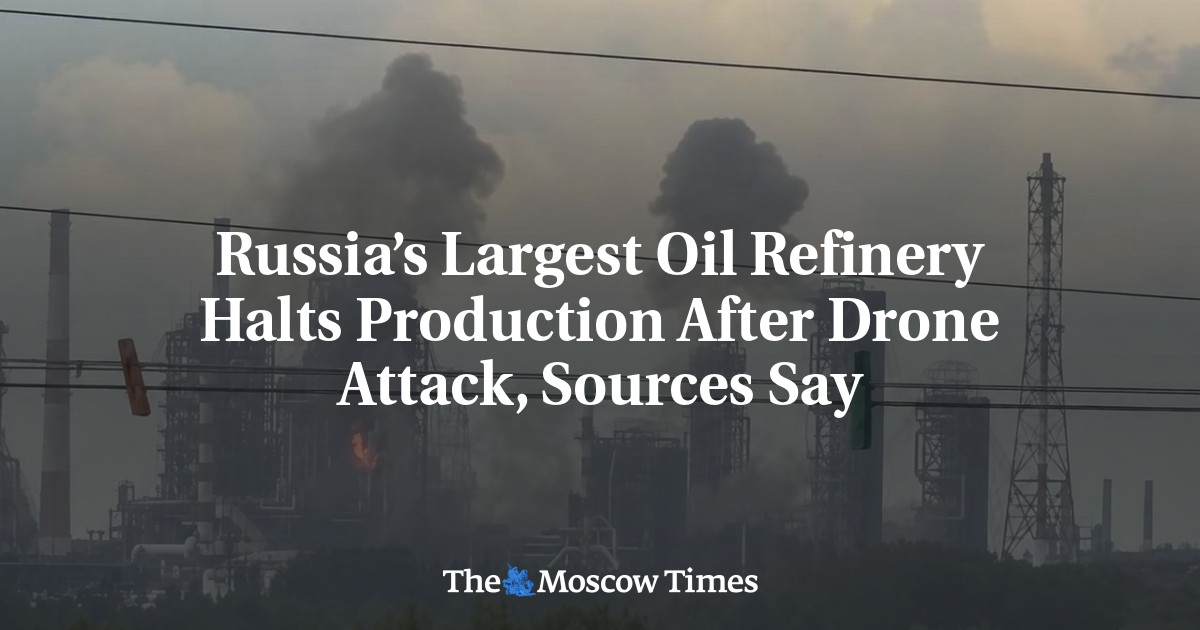
- Ukraine struck the Omsk refinery in Siberia—Russia's largest, 2,500 km from the Ukrainian border—for the first time, alongside the Slavneft Yanos refinery in Yaroslavl and the Ust-Luga refinery on the Baltic Sea.
- Sevastopol has stopped selling fuel to civilians and more than a dozen Crimean regions face electricity blackouts, with Ukraine's Presidential Office in Crimea calling it "a management crisis on the peninsula."
- Russia has lost 42.7% of its refining capacity over the past year with $13.5 billion in damage to oil infrastructure, per Ukraine's Air Force, causing petrol and diesel shortages and queues at urban pumps.
- Moscow faced its largest Ukrainian drone strike in two years on July 7, the opening day of the NATO summit in Ankara, with mayor Sergei Sobyanin reporting more than 400 drones intercepted heading for the city.
- Trump handed Zelenskyy a victory at the Ankara summit by licensing Ukraine to produce Patriot interceptor missiles; Zelenskyy separately announced FREYA, a Ukrainian-designed anti-ballistic system he says will be cheaper and higher-capacity than Patriot.
- Russia gained only 97 square kilometres in the first six months of 2026 according to independent assessments cited in the article, with Zelenskyy declaring the front line "no longer moving" and the air war "decisive."
Why it matters: Russia has lost 42.7% of its refining capacity in a year and gained just 97 sq km in six months on the ground, and Zelenskyy is now publicly betting that sustained air pressure—not battlefield maneuver—will end the war. With Trump licensing Patriot interceptor production and Crimea already in fuel-and-power crisis, Ukraine gains a domestic air-defense supply chain at the moment Russia can least afford more energy infrastructure losses.
Ask SkimNews