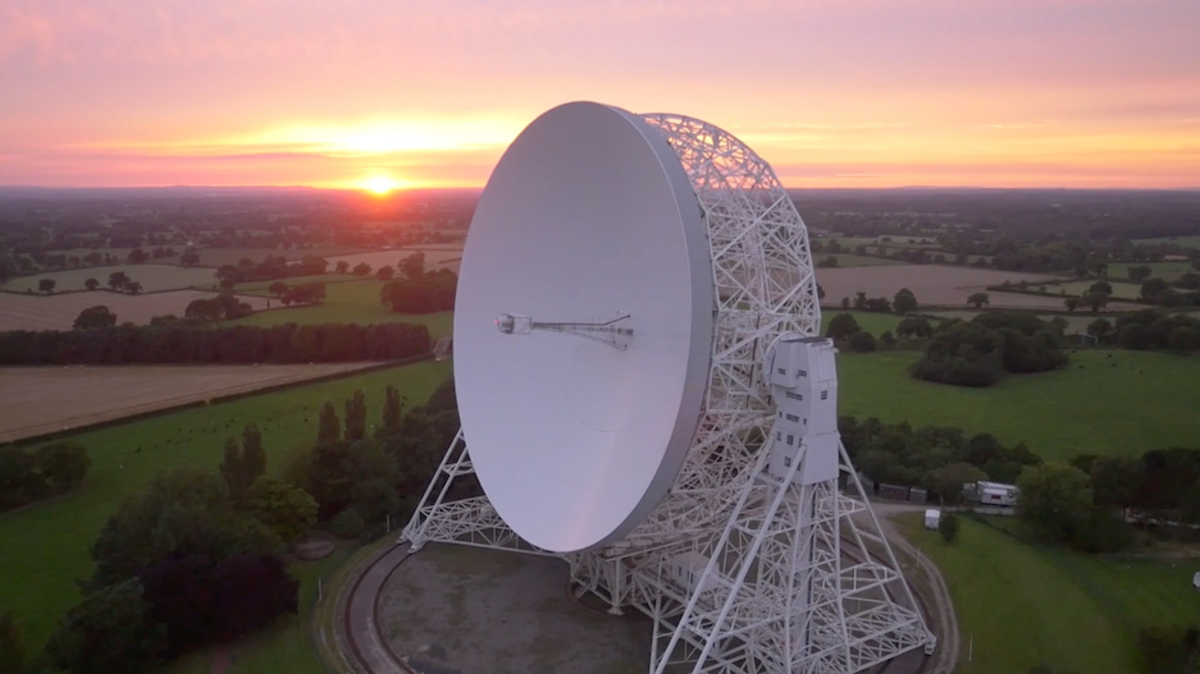
Lovell Telescope Closure Threatens UK Physics Future — SkimNews
Get the Health newsletter
Daily health & science — research, biotech, public health, the studies worth knowing. Free.
- The Lovell telescope at Jodrell Bank Observatory faces closure after government funding will not continue past March 2028, with projected savings of just £2.8m a year.
- The STFC is implementing a rolling package of cuts aimed at saving about £160m over the next four years, which it attributes to cost overruns.
- UKRI recently revamped its funding model to prioritize economic growth and measurable outcomes, a shift many scientists believe specifically threatens long-term, fundamental research.
- UKRI chief Ian Chapman told a House of Lords session he was surprised by scientists' "hyperbolic" reaction, noting they "feel that they have been cut" even though overall physics funding has increased.
- The UKRI budget will reach £10bn by 2030, making the £2.8m annual saving on the Lovell telescope a fractional cost against a backdrop of axed international collaborations including Cern.
- Physicists warn the UK could lose a "generation of scientists" in one of the few fields where the country is world-leading, while the ministers who set the funding priorities — Liz Kendall and Patrick Vallance — are no longer in office.
Why it matters: The £2.8m annual saving on the Lovell telescope represents a sliver of the £10bn UKRI budget by 2030, yet the cuts fall on visible, ongoing projects and international collaborations including Cern. Scientists warn the UK could lose a generation of physics talent in a field where it remains a world leader, and the ministers who set the funding priorities are already gone.
Ask SkimNews