Iran Missiles Hit Kuwait and Bahrain Power Plant — SkimNews

Get the Geopolitics newsletter
Daily geopolitics — wars, elections, sanctions, the diplomatic moves that move markets. Free.
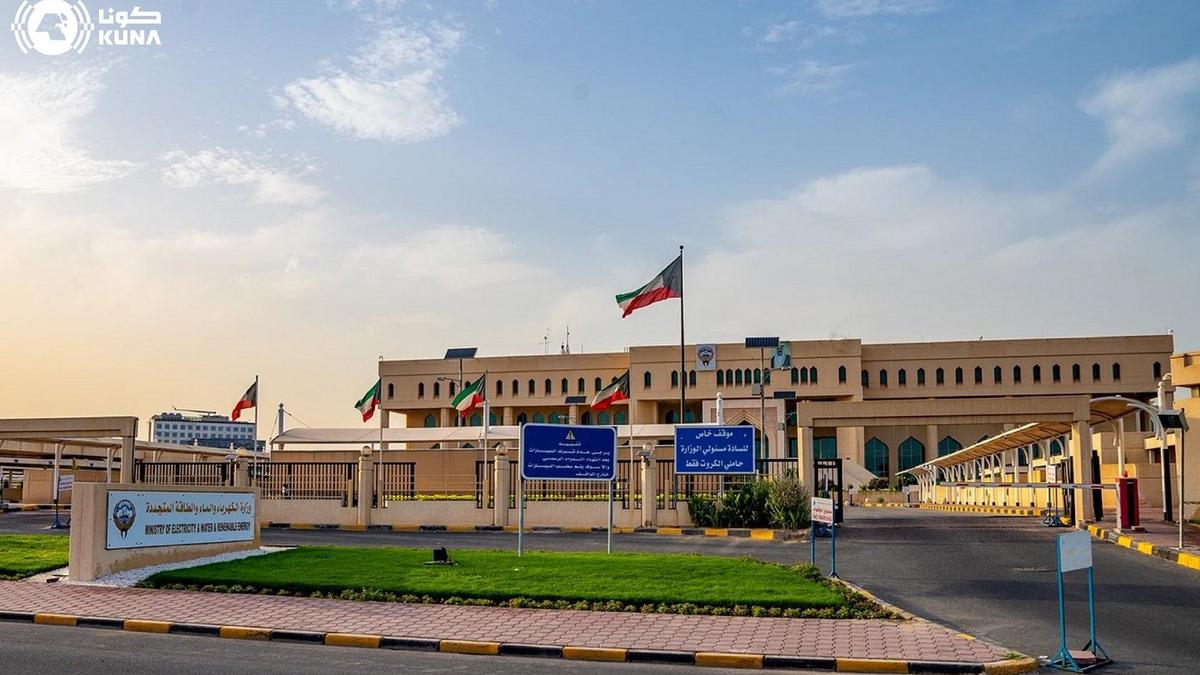
- Iran fired drones and missiles at Kuwait and Bahrain on Sunday, starting a fire at a Kuwaiti power and water plant on the eighth consecutive night of US attacks on Iran, according to Kuwaiti authorities.
- Kuwait's Ministry of Electricity condemned the strikes as 'heinous Iranian aggression,' while Bahrain's military said its air defenses thwarted 'treacherous' Iranian attacks; Iran's army said one strike targeted a US ammunition depot at Camp al-Adiri and air defense radars at Ali Al Salem airbase.
- Iran's IRGC claimed it stopped two ships in the Strait of Hormuz citing an 'unsafe route,' escalating the shipping dispute at the waterway that a US-Iran memorandum of understanding had agreed to gradually reopen.
- Israel and Jordan intercepted an Iranian missile headed for the Jordanian city of Aqaba, according to the Israeli military.
- Iran's nuclear energy agency said the US attacked an under-construction nuclear power plant in southwest Iran, condemning the strike as a breach of international law.
- Paul Musgrave, professor of government at Georgetown University in Qatar, told Al Jazeera that Iran has the 'upper hand' in commitment to the war, which Tehran sees as existential, while calling US and Israeli involvement 'a war over policy choices.'
Why it matters: The strikes hit infrastructure at two US-allied Gulf states hosting American forces, widening the conflict beyond bilateral US-Iran exchanges into direct attacks on third countries. Iran's simultaneous blocking of ships in the Strait of Hormuz adds a shipping-disruption front on top of the missile exchanges, and an expert quoted by Al Jazeera frames the asymmetry as existential for Tehran — a potential signal that US escalation is failing to deter further retaliation.
Ask SkimNews