Scientists tested 5 natural compounds on cancer cells. One stood out — SkimNews
Get the Health newsletter
Daily health & science — research, biotech, public health, the studies worth knowing. Free.
- Researchers at Wroclaw Medical University and the University of Wroclaw tested five natural compounds — curcumin, berberine, biochanin A, cucurbitacin E, and CAPE — on fibrosarcoma cells and healthy muscle cells, comparing their effects on the NF-κB signaling pathway and mitochondrial function.
- All five compounds disrupted cancer cell energy production, reducing ATP levels by approximately 83–92% in fibrosarcoma cells compared with 23–73% in healthy muscle cells, suggesting selective metabolic vulnerability in cancer.
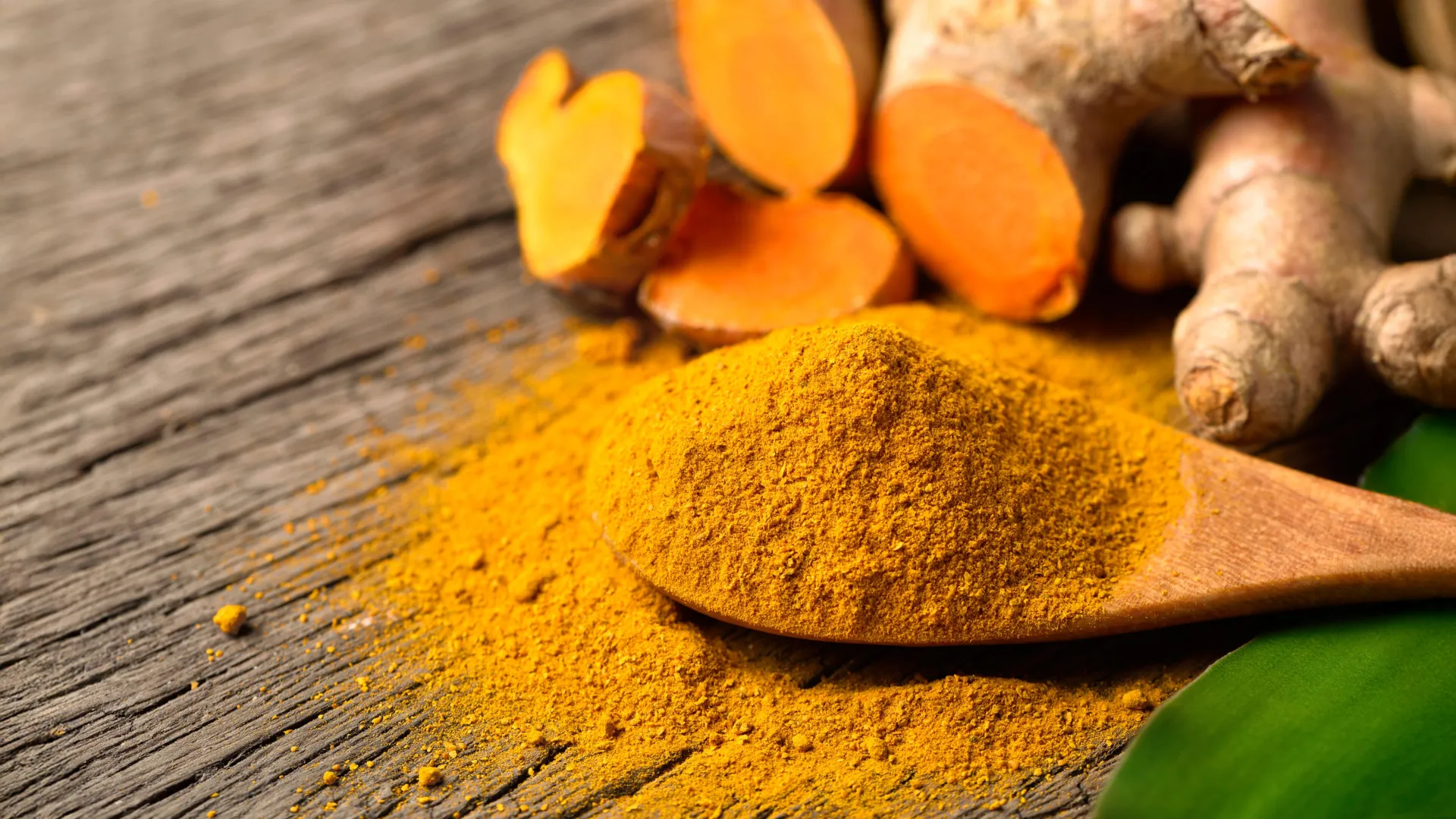
- Curcumin produced the strongest induction of cellular senescence, raising the share of non-dividing fibrosarcoma cells from approximately 16.5% to more than 75%, with the other four compounds also pushing levels above 66%.
- Berberine, cucurbitacin E, and CAPE enhanced PINK1/PARKIN-dependent mitophagy in fibrosarcoma cells, an overwhelmed adaptive response that Prof. Julita Kulbacka linked to cellular senescence and death.
- Curcumin and CAPE were the most selective against fibrosarcoma cells in viability tests, but curcumin stood out for combining strong anticancer activity with a comparatively favorable safety profile.
- In Galleria mellonella larvae toxicity tests, curcumin and berberine were the best tolerated, while biochanin A was the most toxic of the five and CAPE and cucurbitacin E were associated with higher mortality.
- The findings are preclinical, based on cell lines and a simple invertebrate model, and researchers say evaluation in more advanced in vivo models and dosing studies is the next step before any therapeutic application.
Why it matters: By comparing both anticancer potency and toxicity in a single screen, the study gives drug developers a prioritized lead — curcumin — among five natural compounds for the more than 100 sarcoma subtypes that lack a universal treatment. The work reframes the field's question from "what kills cancer cells hardest?" to "what kills cancer cells selectively?", since biochanin A and CAPE showed that high activity can come with unacceptable organism-level harm.
Ask SkimNews