Global EV sales hit 1.8 million in May as Europe races ahead — SkimNews
Get the Energy newsletter
Daily energy & climate — solar, EVs, oil, the policy fights and tech bets shaping the transition. Free.
- Benchmark Mineral Intelligence reported global EV sales reached 1.8 million units in May 2026, up 3% from May 2025 and bringing the five-month total to 7.5 million, framing the market as Europe booming, China recovering, and North America in retreat
- Europe led major markets with EV sales up 23% year over year in May and 26% year to date, fueled by government incentives, elevated fuel prices, and a growing Chinese OEM presence despite EU tariffs on Chinese BEVs
- Chinese-built EVs are gaining share inside Europe even with tariffs in place — 32% of UK EVs sold year to date were made in China, compared with 14% in Germany and 10% in France
- Stellantis, BYD, SAIC-MG, Ford, and Nissan are all moving toward European production: Stellantis will build the Leapmotor B10 in Spain from H2 2026, BYD's Hungary plant is expected to open late 2026, and SAIC-MG announced a Spain factory targeting 120,000 vehicles annually by 2028
- North American EV sales fell 26% year over year in May and 25% year to date, attributed to automakers scaling back EV plans and the September 2025 cancellation of the US EV tax credit
- China's domestic EV market was down 15% year to date through May, but new energy vehicle exports hit a record ~450,000 units in May, with BYD, Chery, and Geely leading alongside Tesla's Shanghai factory
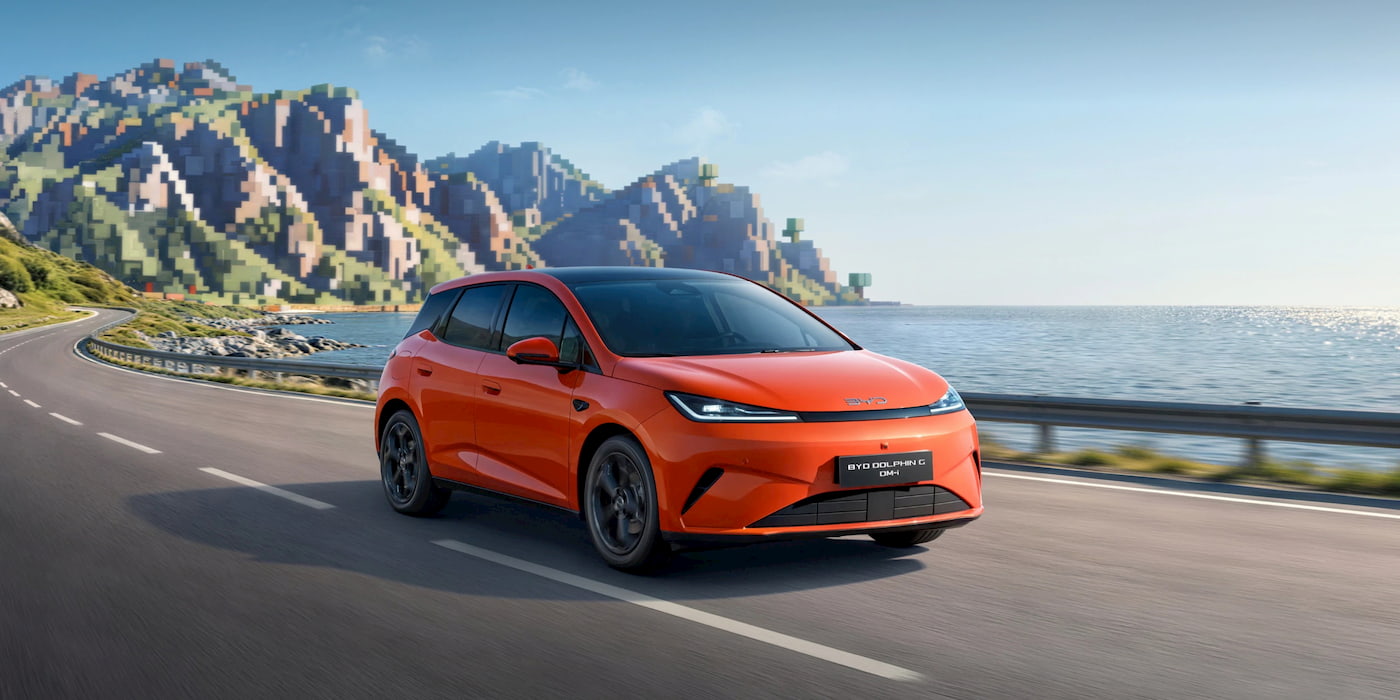
- BYD plans to enter Canada by end of 2026, opening more than 20 dealerships in Toronto, Vancouver, Montreal, and Calgary after Canada's 49,000-vehicle tariff quota took effect, with the Atto 3, Seal, Dolphin, and Seagull as its initial lineup
Why it matters: The May data crystallizes a three-speed global EV market: Europe is on a 26% YTD tear, China's OEMs are bypassing EU tariffs by building factories on the continent and exporting a record 450,000 vehicles in a single month, while North America is sliding 26% YoY after losing its federal tax credit — meaning Chinese automakers are converting export dominance into permanent local production just as US demand contracts.
Ask SkimNews