AstraZeneca Pledges £300m to UK in Reversal

Get the Health newsletter
Daily health & science — research, biotech, public health, the studies worth knowing. Free.
- AstraZeneca is committing £300m to the UK, comprising a £200m unfreezing of its paused Cambridge expansion and a £100m investment in its Macclesfield site, where it plans a "lab of the future" for digital drug development, per CEO Pascal Soriot.
- The move is a sharp reversal from last year, when AstraZeneca paused the Cambridge project in September and scrapped a £450m vaccine facility in Speke, Merseyside in January, citing cuts in government support and frustration over NHS drug pricing and access.
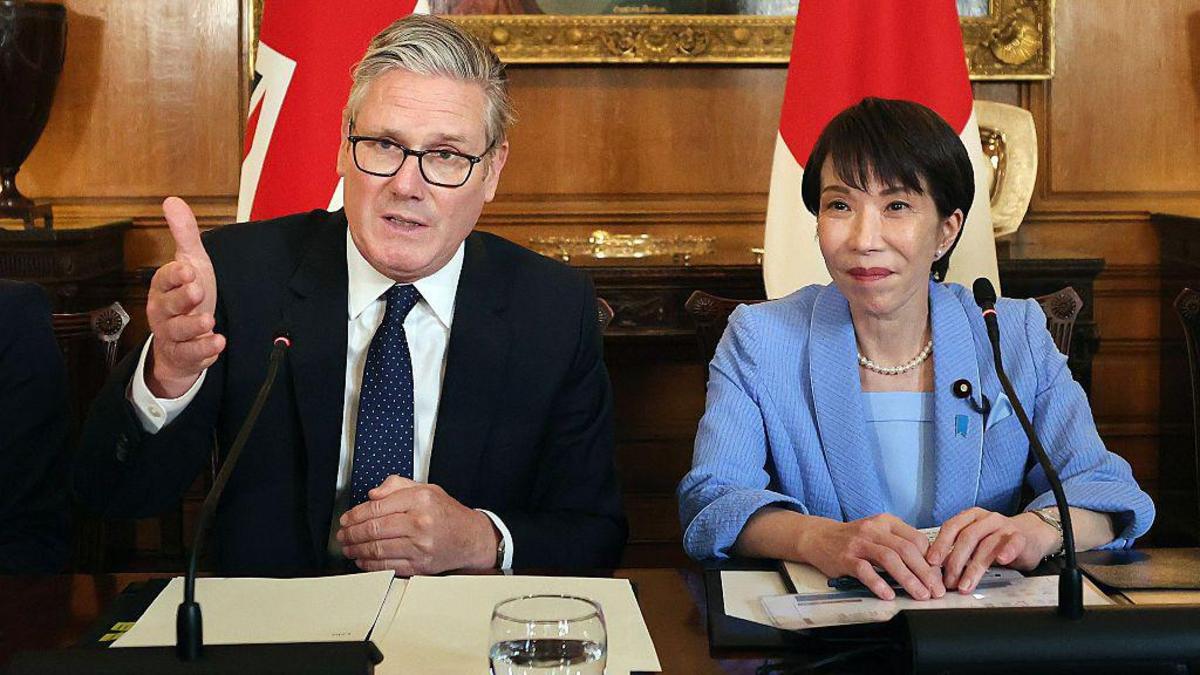
- Keir Starmer announced the investment in the House of Commons, crediting the December UK-US pharmaceutical arrangement that lowers US prescription prices and raises NHS drug spending in exchange for sparing UK pharma from trade tariffs.
- The Cambridge project includes an office called "the Disc," named after Rosalind Franklin, whose X-ray crystallography work was vital to discovering DNA's structure, though AstraZeneca did not disclose how many new jobs the Macclesfield spend will create.
- The UK commitment is dwarfed by the drugmaker's $50bn US research and manufacturing investment announced in October and a $15bn push in China, highlighting how the UK rebound fits a global capex pattern rather than a UK-centric one.
- GSK, reporting on the same day, posted a 5% sales rise to £7.6bn with 28% growth in cancer drugs, but flagged that US vaccine revenues are softening under health secretary Robert F. Kennedy Jr.'s vaccine-sceptic stance — a headwind absent in AstraZeneca's oncology-led portfolio.
- The Association of the British Pharmaceutical Industry said the deal has now drawn £1.4bn in UK life sciences commitments since December, including £500m from UCB, $500m from Bristol Myers Squibb, and a £150m AI centre from Boehringer Ingelheim in King's Cross.
Why it matters: The UK wins a symbolic vote of confidence from its largest drugmaker after a bruising 2024 in which AstraZeneca scrapped a £450m Speke vaccine plant and paused Cambridge, but the £300m commitment is roughly 1% of the $50bn the same company is pouring into the US — a reminder that the Anglo-American drug pricing deal is the real lever, and that the UK is competing for capex, not receiving a windfall.